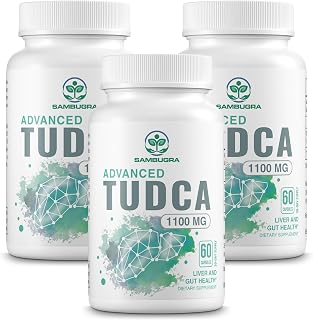
TUDCA and SAMe (S-adenosylmethionine) are two of the most commonly recommended supplements for liver support, and they often show up together in stacks aimed at people managing fatty liver, cholestasis, or general hepatic strain. Despite the overlapping use case, they work through almost entirely different mechanisms and have different depths of clinical evidence behind them.
This article compares what each compound actually does, where the human research is strongest for each, and where the honest evidence gaps are.
Key Takeaways
- TUDCA is a hydrophilic bile acid that works largely by reducing endoplasmic reticulum (ER) stress and inhibiting apoptosis in liver cells; SAMe is a methyl donor involved in glutathione synthesis and methylation reactions throughout the body.
- SAMe has a larger base of randomized, placebo-controlled human trials specifically in cholestatic liver conditions, including intrahepatic cholestasis of pregnancy and alcoholic liver disease.[1][2][3]
- TUDCA’s strongest human clinical data is in a different domain — a controlled trial in obese adults found it improved liver and muscle insulin sensitivity over four weeks, though not adipose tissue insulin sensitivity.[4]
- They are not redundant: SAMe’s evidence base centers on cholestasis symptom relief, while TUDCA’s centers on cellular stress pathways with broader (and more preliminary) interest in metabolic and neurological applications.
- Neither should replace treatment for a diagnosed liver condition — both are adjuncts studied alongside, not instead of, standard medical care.
What Each Compound Actually Does
TUDCA is the taurine-conjugated form of ursodeoxycholic acid, a hydrophilic bile acid. Its proposed liver benefits center on reducing toxicity from hydrophobic bile acids, acting as a chemical chaperone that helps proteins fold correctly under cellular stress (ER stress), and inhibiting mitochondrial pathways that trigger apoptosis (programmed cell death) in stressed hepatocytes.
SAMe is a naturally occurring molecule synthesized from methionine and ATP in the liver. It serves as the principal methyl donor for a wide range of biological reactions — methylating DNA, proteins, and phospholipids — and is a precursor for glutathione synthesis, the liver’s primary antioxidant defense system. In liver disease, endogenous SAMe synthesis is often reduced, which is the rationale for supplementing it.
Where the Human Evidence Is Strongest for SAMe
SAMe has been studied in several randomized, placebo-controlled human trials specifically for cholestatic conditions. In intrahepatic cholestasis of pregnancy, a single-blind randomized trial found that intravenous SAMe significantly lowered total bile acids, conjugated bilirubin, and liver enzymes compared to placebo.[1] Separate double-blind, placebo-controlled trials have tested SAMe specifically in alcoholic liver disease and alcoholic cirrhosis, evaluating its effect on liver enzymes and disease markers over months of treatment.[2][3]

A broader review of the SAMe literature concluded that while mechanistic and preclinical data strongly support a hepatoprotective role, no single large, high-quality randomized trial has definitively established SAMe’s clinical utility across the full range of liver diseases it’s used for — the evidence is real but fragmented across smaller trials and specific conditions, mostly cholestatic ones.

Where the Human Evidence Is Strongest for TUDCA
TUDCA’s clearest human randomized trial evidence is not in a classic “liver disease” population but in obese adults with insulin resistance. In a randomized, placebo-controlled trial, twenty obese men and women received either TUDCA (1,750 mg/day) or placebo for four weeks. The TUDCA group showed improved insulin sensitivity in liver and skeletal muscle, though not in adipose tissue — the first human confirmation that a mechanism seen in animal models (TUDCA reducing ER stress to improve insulin action) translates to people.[4]
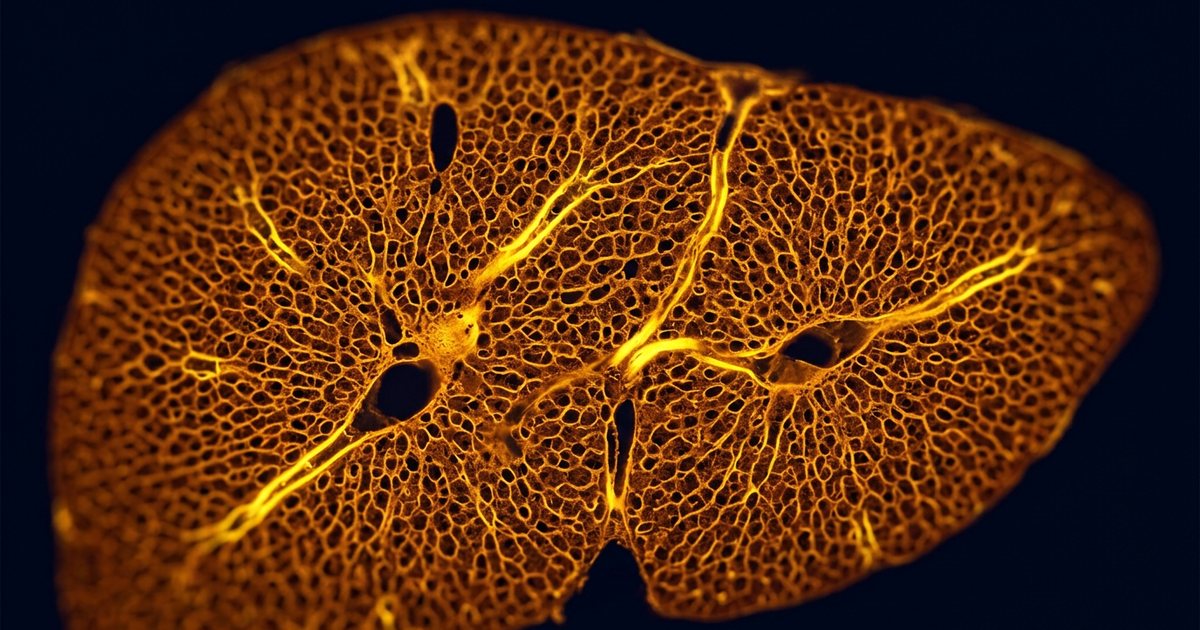
Beyond this trial, most of TUDCA’s liver-specific human data comes from smaller studies and case series in cholestatic and NAFLD/NASH contexts, plus a large body of animal and cell-culture research on ER stress and apoptosis. TUDCA’s evidence base is broader in scope (liver, muscle, and preliminary neurological research) but thinner in any single area compared to SAMe’s more concentrated cholestasis-focused trial record.
Should You Take Both?
Because TUDCA and SAMe act through largely non-overlapping mechanisms — bile acid/ER-stress modulation versus methylation/glutathione support — there is no obvious pharmacological conflict in combining them, and some liver-support stacks include both alongside NAC or milk thistle. However, “no obvious conflict” is not the same as “proven additive benefit” — no trial has tested the combination specifically, so any decision to stack them is based on separate, non-overlapping rationales rather than combined trial evidence.
Bottom Line
If the primary concern is a diagnosed cholestatic condition, SAMe has the deeper randomized-trial record for that specific application. If the primary interest is cellular stress reduction with some early signal in metabolic health, TUDCA has more novel (though still limited) human trial support in that direction. Both require medical supervision for anyone with an existing liver diagnosis, and neither has evidence supporting use as a substitute for prescribed treatment.

Frequently Asked Questions
Is TUDCA or SAMe better for liver support?
It depends on the goal. SAMe has a deeper randomized-trial record specifically for cholestatic liver conditions. TUDCA has a novel human trial showing improved liver and muscle insulin sensitivity, plus a broader mechanistic rationale around cellular stress. Neither has been shown superior to the other head-to-head.
Can you take TUDCA and SAMe together?
They act through different, non-overlapping mechanisms, so there’s no known pharmacological conflict, and some liver-support stacks combine both. However, no clinical trial has tested the combination directly, so any added benefit from stacking them is inferred, not proven.
Does SAMe have stronger clinical evidence than TUDCA?
For cholestatic conditions specifically (like intrahepatic cholestasis of pregnancy and alcoholic liver disease), yes — SAMe has several randomized, placebo-controlled trials. TUDCA’s strongest single human trial is in a different area: insulin sensitivity in obese adults.
Do either of these replace prescribed liver disease treatment?
No. Both have been studied as adjuncts alongside standard medical care, not as replacements for prescribed treatment of diagnosed liver conditions. Anyone with a liver diagnosis should discuss either supplement with their physician first.
References
- S-adenosylmethionine for the treatment of intrahepatic cholestasis of pregnancy. Results of a controlled clinical trial. Hepatogastroenterology (1990). PMID 2083923
- Randomized, placebo-controlled, double-blind, multicenter clinical trial of S-adenosylmethionine in alcoholic liver cirrhosis. Journal of hepatology (1999). PMID 10406187
- A double-blinded, randomized, placebo-controlled trial of S-adenosylmethionine (SAMe) for alcoholic liver disease. Alcoholism, clinical and experimental research (2011). PMID 22044287
- Tauroursodeoxycholic acid may improve liver and muscle but not adipose tissue insulin sensitivity in obese men and women. Diabetes (2010). PMID 20522594
These statements have not been evaluated by the Food and Drug Administration. This information is not intended to diagnose, treat, cure, or prevent any disease. Content is for informational purposes only and is not medical advice; consult a qualified healthcare provider before starting any supplement. As an Amazon Associate we earn from qualifying purchases.