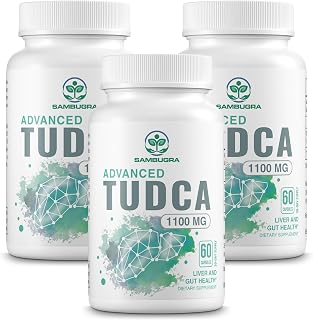
TUDCA (tauroursodeoxycholic acid) and NAC (N-acetylcysteine) are two of the most discussed supplements for liver support, yet they work through entirely different biological pathways. TUDCA is a hydrophilic bile acid that targets endoplasmic reticulum stress and the mitochondrial apoptosis pathway, while NAC is an amino acid precursor that replenishes the body’s primary antioxidant, glutathione. Understanding how each works — and where the evidence is strong versus limited — matters before choosing either.
This article breaks down the proposed mechanisms of both compounds, compares the quality of available research, and outlines the practical situations where one might be more appropriate than the other. Neither is a cure for liver disease, and neither should replace medical care. What they represent are distinct biochemical tools with meaningfully different profiles.
Key Takeaways
- TUDCA and NAC protect the liver through different pathways — ER stress and apoptosis inhibition versus glutathione replenishment and antioxidant defense — so they are not direct substitutes for each other.
- NAC has the more established clinical evidence base, particularly for toxic liver injury; TUDCA has stronger evidence specifically in cholestatic liver disease.
- TUDCA is contraindicated in bile duct obstruction and requires medical review in patients on cyclosporine, bile acid sequestrants, or with gallbladder or cholangitis history.
- Neither compound has robust large-scale RCT data in healthy adults seeking general liver support; research findings from disease populations should not be assumed to translate directly.
- Choosing between them depends on the underlying mechanism of concern — oxidative/toxic stress favors NAC, bile flow and ER stress concerns favor TUDCA — and ideally involves a physician review.
How TUDCA Works in the Liver
TUDCA is a taurine-conjugated derivative of ursodeoxycholic acid (UDCA), a naturally occurring hydrophilic bile acid. In the liver, TUDCA acts through several proposed mechanisms. First, it reduces endoplasmic reticulum (ER) stress — a cellular state where misfolded proteins accumulate and trigger inflammatory and apoptotic cascades. Chronic ER stress is implicated in non-alcoholic fatty liver disease, viral hepatitis injury, and drug-induced liver damage.
Second, TUDCA appears to inhibit the mitochondrial pathway of apoptosis, which is the sequence of events by which liver cells (hepatocytes) commit to programmed death under conditions of oxidative or metabolic stress. By stabilizing mitochondrial membranes and reducing cytochrome c release, TUDCA may slow hepatocyte loss in injury states.
Third, TUDCA has choleretic effects — it promotes bile flow. This is the basis for its established clinical use in cholestatic liver conditions, where bile becomes abnormally thick or obstructed within the liver itself. Outside of cholestasis, research is ongoing and evidence remains earlier-stage. Randomised trials support this use: a dose-response study in primary biliary cirrhosis found 500, 1,000 and 1,500 mg daily all reduced cholestatic liver enzymes[1], and a crossover comparison found TUDCA at least as effective as ursodeoxycholic acid[2].
How NAC Works in the Liver
N-acetylcysteine is a stable, orally bioavailable form of the amino acid cysteine. Its primary mechanism in liver protection is serving as the rate-limiting precursor to glutathione (GSH), the liver’s dominant intracellular antioxidant. When the liver is under chemical stress — from drugs, alcohol, or oxidative load — glutathione stores can be rapidly depleted. NAC replenishes cysteine availability, allowing hepatocytes to synthesize new glutathione quickly.
NAC also has direct antioxidant activity independent of glutathione synthesis: it can scavenge reactive oxygen species and reduce oxidative damage to lipids and proteins. Additionally, some research suggests NAC has anti-inflammatory signaling properties, potentially modulating NF-κB pathway activity and reducing pro-inflammatory cytokine production in stressed liver tissue.

The most established use of NAC in liver medicine is intravenous administration for acetaminophen (paracetamol) overdose, where it is a standard-of-care intervention. The oral supplement form is used more broadly, though with a more variable evidence base outside of toxic exposures.
Comparing the Evidence Base
The evidence landscape for these two compounds differs substantially by condition. NAC has the stronger clinical track record, particularly for acetaminophen-induced liver injury where it is a well-established emergency treatment. Its role in non-alcoholic fatty liver disease, alcoholic hepatitis, and chronic liver conditions has been studied in multiple trials, though results are mixed and trial sizes remain modest. The oral form’s bioavailability is meaningfully lower than intravenous delivery, which complicates interpretation of supplementation studies.
TUDCA has good clinical evidence in cholestatic liver disease — specifically primary biliary cholangitis and intrahepatic cholestasis of pregnancy — where it reduces liver enzyme elevations and improves bile flow. For non-cholestatic liver conditions (fatty liver, metabolic-associated liver disease), research is ongoing. Early trials have shown signals of benefit on liver enzymes and insulin sensitivity, but large-scale, long-duration RCTs in healthy or moderately ill populations are limited. The evidence base for TUDCA outside cholestasis should be treated as preliminary.
Neither compound has robust head-to-head comparison data in liver populations. Choosing between them based on existing research requires matching the compound’s strongest evidence to the specific situation at hand.
Safety Profiles and Contraindications
NAC is generally considered well tolerated at typical supplemental doses (600–1800 mg per day oral). The most common side effects are gastrointestinal — nausea, bloating, and occasionally diarrhea. High-dose intravenous NAC in clinical settings can cause anaphylactoid reactions, though this is not relevant to standard oral supplementation. NAC may interact with nitroglycerin and some anticoagulants, and individuals on these medications should consult a physician before use.
TUDCA carries a more specific contraindication: it should not be used in cases of complete bile duct obstruction, because promoting bile flow in an obstructed system can cause harm. It requires particular caution in patients with cholangitis, gallbladder disease, or severe hepatic impairment. TUDCA may interact with bile acid sequestrants (such as cholestyramine), cyclosporine, and certain lipid-lowering drugs — a prescribing physician should review the full medication list before TUDCA is added. At typical supplemental doses (250–1000 mg per day), gastrointestinal side effects are the most commonly reported issue.
Practical Use Cases: When to Consider Each
NAC is the more broadly applicable choice for general liver antioxidant support, particularly when oxidative stress from chemical exposure, alcohol, or medication burden is the primary concern. Its role in glutathione replenishment is direct, mechanistically sound, and backed by decades of clinical use at the emergency end of the dosing spectrum. For someone supporting liver health during a course of medication known to be hepatotoxic, NAC’s glutathione-supporting mechanism is directly relevant.

TUDCA is more specifically suited to situations involving bile flow, ER stress, or apoptotic pathways — particularly in people with cholestatic conditions where it has the most clinical backing. For metabolic liver concerns (non-alcoholic fatty liver, insulin resistance), early research is interesting but not yet definitive. People with bile duct abnormalities, gallbladder disease, or who take cyclosporine must seek medical clearance before using TUDCA.
Some practitioners use both compounds together under the rationale that their mechanisms are complementary — TUDCA addressing ER stress and apoptosis while NAC addresses oxidative load and glutathione depletion. There is biological logic to this approach, but robust combination trial data do not currently exist to confirm synergy over either alone.
Limitations and What the Research Cannot Tell Us Yet
Both compounds are understudied in the context most supplement users occupy: otherwise healthy individuals seeking preventive or maintenance liver support. Most clinical trials recruit people with established liver disease, specific toxic exposures, or defined metabolic conditions. Extrapolating findings from those populations to healthy adults is a common error in supplement evaluation.
Bioavailability is another limitation, especially for NAC. Oral NAC has substantially lower bioavailability than IV administration, and the doses used in many supplement products are lower than those in clinical trials. TUDCA’s oral absorption is more favorable but still variable across individuals. Without personalized monitoring (liver enzyme panels, oxidative stress markers), it is difficult to assess whether supplementation is producing a meaningful effect in any given person.
Neither compound has long-term safety data sufficient to fully characterize risks over years of continuous use at supplemental doses. Both are best viewed as targeted interventions with a specific rationale, not indefinite background supplements.
🛒 Where to Buy TUDCA
- BulkSupplements.com TUDCA CapsulesLab-tested / studied
capsules, 500 mg per capsule, 90 capsules — Third-party tested and made in a cGMP facility; one capsule per serving; higher per-capsule dose suits users targeting 500–1000 mg/day protocols - Nutricost TUDCA 250mg
capsules, 250 mg per capsule, 60 capsules — High-volume seller; non-GMO and gluten-free labeling; no third-party purity COA publicly posted, but consistent community reputation for accurate dosing - Double Wood Supplements TUDCA Bile Salts 500mg
capsules, 500 mg per capsule, 60 capsules — USA-manufactured; publishes basic COA on request; popular among biohacker community for reliable potency at accessible price point - Nutricost TUDCA Powder
powder, 25 g tub — Best cost-per-gram option for daily high-dose users; gluten-free, same material as their capsule line; requires a milligram-accurate scale for precise dosing
As an Amazon Associate we earn from qualifying purchases. TUDCA quality varies widely — always choose a product that publishes a third-party purity test (COA) confirming 98%+ tauroursodeoxycholic acid before buying.
A Note on the Evidence
The human evidence for TUDCA is strongest in cholestatic liver disease[1][2]. Outside it the record is thinner: a randomised trial in 20 obese adults improved hepatic and muscle insulin sensitivity by about 30% over four weeks, while adipose tissue was unchanged[3], and the ER-stress and mitochondrial-apoptosis mechanisms described above rest largely on animal work[4]. The most rigorous recent test of a TUDCA-containing therapy, the Phase 3 PHOENIX trial in ALS, found no change in its primary endpoint and led the sponsor to withdraw the product[5] — a reminder that mechanism does not guarantee clinical effect. Both TUDCA and NAC should be used under medical supervision in anyone with existing liver, gallbladder, or bile duct conditions, or who takes prescription medications — this article is informational only and does not constitute medical advice.

Frequently Asked Questions
Can I take TUDCA and NAC together?
There is no established drug interaction between TUDCA and NAC, and their mechanisms are complementary rather than overlapping. However, combination use has not been studied in controlled trials, so evidence for synergy is absent. If you take other medications — particularly cyclosporine, bile acid sequestrants, or anticoagulants — review the combination with a physician before adding either compound.
Which is better for fatty liver disease?
Early-stage research has examined both compounds in non-alcoholic fatty liver disease with mixed results. Neither has reached the level of evidence required to make a definitive recommendation over the other for this indication. NAC’s glutathione support addresses oxidative stress prominent in fatty liver; TUDCA’s ER stress pathway is also implicated in the disease. A hepatologist is the appropriate resource for condition-specific guidance.
Is TUDCA safe to take daily?
At commonly used supplemental doses (250–500 mg per day), TUDCA is generally tolerated by people without contraindications. Gastrointestinal discomfort is the most frequent reported side effect. Long-term daily use has not been extensively studied in healthy adults, and people with gallbladder disease, bile duct abnormalities, cholangitis, or who take cyclosporine should not use TUDCA without medical supervision.
Does NAC actually raise glutathione levels when taken orally?
Oral NAC does increase plasma and tissue cysteine availability, which supports glutathione synthesis. However, oral bioavailability is meaningfully lower than intravenous delivery, and the degree of glutathione elevation varies by dose and individual factors. The clinical significance of oral NAC’s effect on glutathione in non-deficient healthy adults is less certain than in depleted or injured states.
Who should avoid TUDCA?
TUDCA is contraindicated in complete bile duct obstruction. People with cholangitis, active gallbladder disease, or severe hepatic impairment should use it only under medical supervision. It may interact with bile acid sequestrants (cholestyramine, colestipol), cyclosporine, and certain lipid-lowering agents. Pregnant or breastfeeding individuals should consult a physician, as data in those populations are limited.
What dose of NAC is typically used for liver support?
Research studies have used a range of oral NAC doses, commonly 600 mg to 1800 mg per day in divided doses. Emergency IV protocols for acetaminophen overdose use much higher doses and a different delivery route. Supplement products vary widely. There is no universally established ‘liver support’ dose for healthy individuals, and clinical context matters considerably in determining what is appropriate.
References
- Crosignani A et al. Tauroursodeoxycholic acid for treatment of primary biliary cirrhosis. A dose-response study. Digestive diseases and sciences (1996). PMID 8674405
- Larghi A et al. Ursodeoxycholic and tauro-ursodeoxycholic acids for the treatment of primary biliary cirrhosis: a pilot crossover study. Alimentary pharmacology & therapeutics (1997). PMID 9146783
- Kars M et al. Tauroursodeoxycholic Acid may improve liver and muscle but not adipose tissue insulin sensitivity in obese men and women. Diabetes (2010). PMID 20522594
- Ben Mosbah I et al. Endoplasmic reticulum stress inhibition protects steatotic and non-steatotic livers in partial hepatectomy under ischemia-reperfusion. Cell death & disease (2011). PMID 21364657
- Ketabforoush A et al. Sodium Phenylbutyrate and Tauroursodeoxycholic Acid: A Story of Hope Turned to Disappointment in Amyotrophic Lateral Sclerosis Treatment. Clinical drug investigation (2024). PMID 38909349
These statements have not been evaluated by the Food and Drug Administration. This information is not intended to diagnose, treat, cure, or prevent any disease. Content is for informational purposes only and is not medical advice; consult a qualified healthcare provider before starting any supplement. As an Amazon Associate we earn from qualifying purchases.