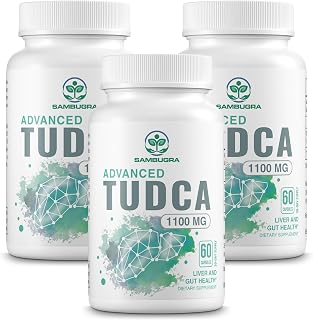
Two compounds that frequently appear in discussions of liver health are TUDCA (tauroursodeoxycholic acid) and phosphatidylcholine (PC). Both are marketed under the broad label of ‘liver support,’ but they act through fundamentally different biological pathways. TUDCA is a hydrophilic, taurine-conjugated bile acid primarily known for reducing cellular stress responses and promoting healthy bile flow, while phosphatidylcholine is the dominant structural phospholipid in mammalian cell membranes and a key substrate for bile composition. Understanding what each actually does—and where the evidence is strong or thin—matters before choosing either.
This article compares TUDCA and phosphatidylcholine on mechanism, proposed clinical applications, evidence quality, safety considerations, and practical use. No cited evidence in this article has been invented; where robust human RCT data are absent, that limitation is stated plainly. Neither compound should be interpreted as a cure or guaranteed treatment for any liver condition, and both warrant medical supervision in anyone with diagnosed hepatic disease.
Key Takeaways
- TUDCA and phosphatidylcholine protect liver cells through distinct mechanisms—TUDCA via stress signaling and anti-apoptotic pathways, PC via membrane structural support and lipid export.
- TUDCA has its most established evidence in cholestatic liver disease; PC has been studied primarily in alcoholic and non-alcoholic fatty liver disease, with mixed and methodologically limited results.
- Neither compound has robust large-scale RCT evidence in otherwise healthy adults seeking general liver protection.
- TUDCA carries contraindications (bile duct obstruction) and clinically meaningful drug interactions that require physician review before use.
- Choosing between them depends on the underlying concern; they are not interchangeable substitutes and in some research contexts have been proposed as complementary.
What Is TUDCA and How Does It Work?
TUDCA is a secondary bile acid formed by conjugating taurine to ursodeoxycholic acid (UDCA). In the body it is produced in small amounts by intestinal bacteria that modify primary bile acids, but the quantities generated endogenously are modest. As a supplement it is synthesized and taken in gram-range doses to achieve physiologically meaningful concentrations.
Its most studied mechanism is reduction of endoplasmic reticulum (ER) stress. The ER is the cellular organelle responsible for protein folding; when misfolded proteins accumulate—a state called ER stress—cells initiate the unfolded protein response (UPR), which can tip toward apoptosis if unresolved. TUDCA appears to stabilize the ER membrane environment and attenuate UPR signaling, helping cells survive conditions that would otherwise trigger programmed death. Separately, it has been shown to inhibit cytochrome c release from mitochondria, a proximal step in the intrinsic apoptosis cascade. These two complementary anti-apoptotic actions make it particularly relevant to cell-death-heavy liver conditions such as cholestasis, non-alcoholic steatohepatitis (NASH), and drug-induced liver injury.
TUDCA also functions as a choleretic agent, meaning it promotes bile secretion and improves the hydrophilicity of the bile acid pool. In cholestatic diseases, where bile accumulates and causes hepatocyte toxicity, replacing hydrophobic bile acids with hydrophilic ones like TUDCA is a mechanistically sound strategy. Its parent compound UDCA is an approved drug for primary biliary cholangitis, and TUDCA shares—and in some pharmacological models surpasses—this property.
What Is Phosphatidylcholine and How Does It Work?
Phosphatidylcholine is the most abundant phospholipid in the outer leaflet of mammalian cell membranes, typically comprising 40–50% of total membrane phospholipid content. It consists of a glycerol backbone, two fatty acid chains (commonly one saturated, one polyunsaturated), a phosphate group, and a choline head group. This architecture is what gives biological membranes their fluid, selectively permeable structure. In the liver specifically, PC is critical for maintaining hepatocyte membrane integrity, packaging lipids into VLDL particles for export, and composing the phospholipid shell of bile micelles.
When the liver is damaged—by alcohol, oxidative stress, or fatty infiltration—membrane PC content falls and the ratio of PC to other phospholipids shifts unfavorably. Supplemental PC, particularly in the form of polyenylphosphatidylcholine (PPC, enriched in dilinoleoylphosphatidylcholine), has been studied as a way to replenish hepatocyte membrane phospholipids, improve membrane fluidity, reduce lipid peroxidation in membranes, and support the re-export of fat from hepatocytes. PC is also the primary dietary source of choline, a nutrient required for phospholipid synthesis, one-carbon metabolism, and neurotransmitter production.

Bile is roughly 3% phospholipid by composition, and most of that is PC. Adequate biliary PC keeps cholesterol solubilized in bile and protects the biliary epithelium from the detergent action of bile salts. A deficiency in biliary PC secretion—caused by mutations in the ABCB4 transporter gene—results in low-phospholipid-associated cholelithiasis (LPAC syndrome), illustrating just how structurally essential PC is in the hepatobiliary system.
How Their Liver-Protective Mechanisms Differ
The simplest way to frame the difference is this: TUDCA primarily intervenes at the level of stress signaling and cell death pathways, while phosphatidylcholine primarily intervenes at the level of membrane structure, lipid export, and bile composition. One works largely through signal transduction; the other through substrate replenishment.
TUDCA does not rebuild membranes—it changes how stressed cells respond to damage. Conversely, PC does not meaningfully suppress ER stress or mitochondrial apoptosis signaling in the way TUDCA does. This means the two compounds are not strict substitutes; they address partially overlapping but mechanistically distinct vulnerabilities. A hepatocyte under ER stress from protein misfolding is primarily a TUDCA problem. A hepatocyte with depleted membrane phospholipids struggling to export triglycerides is primarily a PC problem.

Where they do overlap is in bile acid metabolism. TUDCA modulates the composition and hydrophilicity of the bile acid pool; PC is a structural component of bile micelles that stabilizes cholesterol solubilization. Both contribute to a functional bile environment, but through separate inputs. This is one rationale sometimes offered for combining them, though combined supplementation studies in humans are essentially absent.
Clinical Evidence: What Has Each Been Studied For?
TUDCA’s strongest human evidence is in cholestatic liver disease. Its parent compound UDCA is an EMA- and FDA-approved treatment for primary biliary cholangitis (PBC), and much of the mechanistic rationale for TUDCA derives from this body of work. TUDCA itself has been investigated in small trials for intrahepatic cholestasis of pregnancy, liver enzyme normalization in hepatitis patients, and as an adjunct in liver transplantation contexts. Early-phase clinical investigations have also explored TUDCA in amyotrophic lateral sclerosis (ALS), given ER stress involvement in motor neuron death, and in type 2 diabetes given connections between ER stress and impaired insulin signaling in the pancreas and liver. These neurological and metabolic investigations remain preliminary—sample sizes are small, trial designs are heterogeneous, and confirmatory phase III data are largely lacking.
Phosphatidylcholine supplementation, particularly as polyenylphosphatidylcholine (PPC), has been studied most extensively in alcoholic liver disease and non-alcoholic fatty liver disease (NAFLD). Research has examined whether PPC can attenuate fibrosis progression, normalize liver enzymes, and improve lipid profiles in patients with fatty liver. Several trials—primarily conducted in Europe and Russia over the past three decades—have reported improvements in liver enzyme markers and histological parameters, but methodological limitations including small samples, varying dose forms, and inconsistent endpoints make it difficult to draw firm conclusions about therapeutic efficacy in the broader population. The evidence for PC in healthy people without diagnosed liver disease is even thinner.
Safety Profiles and Who Should Be Cautious
TUDCA is contraindicated in bile duct obstruction, where increasing bile flow would worsen the obstruction. It requires medical supervision in patients with existing gallbladder disease, cholangitis, or severe hepatic impairment. Drug interactions are a practical concern: TUDCA may interfere with bile acid sequestrants such as cholestyramine or colestipol (which bind bile acids in the gut), can alter the absorption of cyclosporine (a narrow therapeutic index immunosuppressant whose biliary excretion bile acids influence), and may interact with certain lipid-lowering agents. Anyone taking prescription medications should discuss TUDCA with their physician before use.

Phosphatidylcholine is generally regarded as well tolerated because it is a normal dietary constituent found in eggs, liver, and soybeans. High doses have been associated with gastrointestinal symptoms including nausea, diarrhea, and increased burping. A more significant theoretical concern is that gut bacteria convert choline to trimethylamine (TMA), which is then oxidized in the liver to TMAO, a metabolite associated in epidemiological research with cardiovascular risk. Whether supplemental PC meaningfully raises TMAO in ways that translate to clinical cardiovascular risk in healthy individuals remains an active and unresolved research question. People with renal impairment or known trimethylaminuria should exercise additional caution.
Neither compound has been studied adequately in pregnant or breastfeeding women at supplemental doses, and both should be avoided in those populations without specific medical guidance.
Practical Considerations: Choosing Between Them or Using Both
Given the mechanistic differences, the appropriate choice depends heavily on the underlying liver concern. TUDCA is more relevant when the primary concern is bile flow, cholestatic stress, ER stress-mediated cell death, or contexts where apoptosis pathway modulation is the goal. Phosphatidylcholine is more relevant when the concern is membrane integrity, hepatocyte phospholipid depletion from alcohol or fatty liver processes, or dietary choline insufficiency. In practice, many people exploring these supplements do not have a diagnosed condition but are seeking general liver support, a context in which the evidence base for either compound is thinner still.
Dose matters significantly for both. TUDCA is typically studied in ranges of 500 mg to 1,750 mg per day in clinical contexts; the lower end of this range (250–500 mg) is common in supplement form. PC doses in liver-disease research often exceed 1,500 mg per day of pure phosphatidylcholine—standard lecithin supplements contain only a fraction of that as actual PC, so label reading is essential. Cost, tolerability, and the specific liver health context all factor into a practical decision, and neither supplement is a substitute for addressing root causes such as alcohol consumption, metabolic syndrome, or hepatotoxic drug exposure.
🛒 Where to Buy TUDCA
- BulkSupplements.com TUDCA CapsulesLab-tested / studied
capsules, 500 mg per capsule, 90 capsules — Third-party tested and made in a cGMP facility; one capsule per serving; higher per-capsule dose suits users targeting 500–1000 mg/day protocols - Nutricost TUDCA 250mg
capsules, 250 mg per capsule, 60 capsules — High-volume seller; non-GMO and gluten-free labeling; no third-party purity COA publicly posted, but consistent community reputation for accurate dosing - Double Wood Supplements TUDCA Bile Salts 500mg
capsules, 500 mg per capsule, 60 capsules — USA-manufactured; publishes basic COA on request; popular among biohacker community for reliable potency at accessible price point - Nutricost TUDCA Powder
powder, 25 g tub — Best cost-per-gram option for daily high-dose users; gluten-free, same material as their capsule line; requires a milligram-accurate scale for precise dosing
As an Amazon Associate we earn from qualifying purchases. TUDCA quality varies widely — always choose a product that publishes a third-party purity test (COA) confirming 98%+ tauroursodeoxycholic acid before buying.
A Note on the Evidence
Robust large-scale randomized controlled trial evidence for either TUDCA or phosphatidylcholine in healthy adults is limited; most human data come from small or disease-specific trials. TUDCA in particular carries a contraindication in bile duct obstruction and clinically relevant drug interactions—consult a physician or pharmacist before use, especially if you take prescription medications or have any diagnosed liver, gallbladder, or metabolic condition. This article is informational only and does not constitute medical advice.
Frequently Asked Questions
Can TUDCA and phosphatidylcholine be taken together?
There is no well-documented harmful interaction between the two compounds, and their mechanisms are sufficiently distinct that combination use has a theoretical rationale. However, combined supplementation has not been studied in controlled human trials, so claims about synergistic benefit are speculative. If you take both, start with each individually to establish tolerability before combining.
Does TUDCA repair liver damage or just prevent further damage?
TUDCA’s primary studied actions are cytoprotective—reducing ER stress, inhibiting apoptosis, and improving bile hydrophilicity—rather than regenerative in the sense of directly stimulating hepatocyte proliferation. Whether protecting surviving cells translates to measurable histological improvement depends on the disease context and degree of existing damage. This is an important distinction because ‘liver protection’ and ‘liver repair’ are not the same claim.
Is lecithin the same as phosphatidylcholine?
Lecithin is a mixture of phospholipids extracted typically from soybeans or egg yolks; phosphatidylcholine is one component of that mixture, usually comprising 20–40% of commercial lecithin by weight. Products labeled ‘lecithin’ therefore deliver substantially less PC per gram than products standardized to high-PC phosphatidylcholine. If a specific PC dose is desired, the label’s PC content—not the total lecithin weight—is the relevant figure.
Who should not take TUDCA?
TUDCA is contraindicated in bile duct obstruction, where promoting bile flow would worsen the obstruction. People with gallbladder disease, cholangitis, or severe hepatic impairment require medical supervision. Because it can affect the absorption and metabolism of certain drugs—including cyclosporine and bile acid sequestrants—anyone on prescription medications should consult a physician before starting TUDCA.
Does phosphatidylcholine raise TMAO and cardiovascular risk?
Choline from dietary sources and supplements can be converted by gut bacteria to trimethylamine (TMA), which the liver then oxidizes to TMAO. Epidemiological associations between plasma TMAO and cardiovascular events have been reported, but causality has not been established and individual variation in gut microbiome composition strongly affects how much TMAO any given person produces from supplemental choline. This remains an unresolved area of research and is a reasonable concern to discuss with a cardiologist if cardiovascular risk is already elevated.
Is TUDCA the same as UDCA?
No. UDCA (ursodeoxycholic acid) is the unconjugated form; TUDCA is UDCA conjugated with taurine. Both are hydrophilic bile acids and share the choleretic and cytoprotective rationale, but TUDCA is more hydrophilic and in some experimental models demonstrates stronger ER stress inhibition than UDCA. UDCA (as ursodiol) is an FDA-approved drug; TUDCA is sold as a dietary supplement in most markets and does not carry the same regulatory approval or evidence standard.
References
- Yang A et al. A comparison of beta-carotene-splitting activity isolated from intestinal mucosa of pasture-grazed sheep, goats and cattle. Biochemistry and molecular biology international (1993). PMID 8364404
These statements have not been evaluated by the Food and Drug Administration. This information is not intended to diagnose, treat, cure, or prevent any disease. Content is for informational purposes only and is not medical advice; consult a qualified healthcare provider before starting any supplement. As an Amazon Associate we earn from qualifying purchases.