TUDCA (tauroursodeoxycholic acid) is often discussed as a general “liver support” supplement, and people who drink regularly, or who are recovering from a period of heavy drinking, sometimes look to it as a way to offset alcohol’s effect on the liver. The question is whether the actual research backs that up, or whether it’s an assumption borrowed from TUDCA’s other, better-studied uses.
This article looks at what’s actually been tested: cell studies on ethanol toxicity, bile acid changes seen in alcoholic hepatitis, and the broader liver-disease trial data TUDCA does have — while being direct about where alcohol-specific human evidence does not exist.
Key Takeaways
- The one study that directly tested TUDCA against ethanol and acetaldehyde toxicity in liver cells found the protective effect “remains dubious” — pre-treating cells with TUDCA before alcohol exposure actually worsened cell damage in that model.[1]
- Bile acid profiling in patients with alcoholic hepatitis shows TUDCA and related bile acids are significantly elevated compared to healthy controls, tracking with bilirubin levels — a marker of liver injury, not evidence that TUDCA supplementation helps.[2]
- TUDCA’s strongest human trial data is in cirrhosis, chronic hepatitis C, and cholestasis, where it measurably lowers liver enzymes — none of these trials enrolled active heavy drinkers or tested alcohol-specific outcomes.[3]
- There is no published randomized controlled trial testing oral TUDCA supplementation in people with alcohol-related liver disease or in habitual drinkers.
- Alcohol itself is hepatotoxic regardless of what supplements are taken alongside it; nothing in the current research suggests TUDCA offsets that risk enough to change drinking behavior safely.
What the Direct Cell Research Actually Found
The most directly relevant study exposed human hepatoma cells (a liver cell line) to ethanol and its toxic metabolite acetaldehyde, then tested whether UDCA or TUDCA — both described in prior literature as protective against alcohol — actually reduced the damage. Ethanol and acetaldehyde exposure decreased cell metabolic activity and viability and increased membrane permeability, as expected.
When TUDCA or UDCA was added at the same time as the alcohol exposure, some protection appeared, but only at relatively high concentrations. When cells were pre-treated with TUDCA or UDCA before alcohol exposure — arguably the more realistic scenario for someone supplementing regularly — the pre-treatment intensified cell damage rather than preventing it. The researchers’ own conclusion was blunt: the protective effect of UDCA or TUDCA in alcohol- or acetaldehyde-treated liver cells “remains dubious.”[1] This is a cell-culture study, not a human trial, but it is the study most directly testing the alcohol-protection claim, and it does not support it.
What Bile Acid Levels Show in Alcoholic Hepatitis
Separate from supplementation research, clinicians have studied what happens to natural bile acid levels in people who already have alcohol-related liver inflammation. A 2024 targeted metabolomic analysis comparing metabolic dysfunction-associated steatohepatitis (MASH) and alcoholic hepatitis patients to healthy controls found that TUDCA, along with several other bile acids, was significantly elevated in the hepatitis groups. TUDCA levels correlated strongly with total and direct bilirubin — a standard marker of impaired liver function.[2]

This is an important distinction to understand: elevated TUDCA here reflects the liver’s own disrupted bile acid handling during active disease, not a therapeutic response to a supplement. It tells us bile acid metabolism is disturbed in alcoholic liver disease; it does not tell us that adding more TUDCA from outside the body normalizes that disturbance or improves outcomes.
Where TUDCA’s Liver Trial Data Actually Comes From
TUDCA does have real human trial support for liver conditions, just not alcohol-specific ones. A double-blind randomized controlled trial in patients with liver cirrhosis found that TUDCA treatment significantly reduced ALT, AST, and ALP (liver enzyme markers of cell damage and impaired bile flow) compared to baseline, with albumin levels also improving.[3] Similar enzyme-lowering effects have been reported in chronic hepatitis C and various cholestatic conditions.

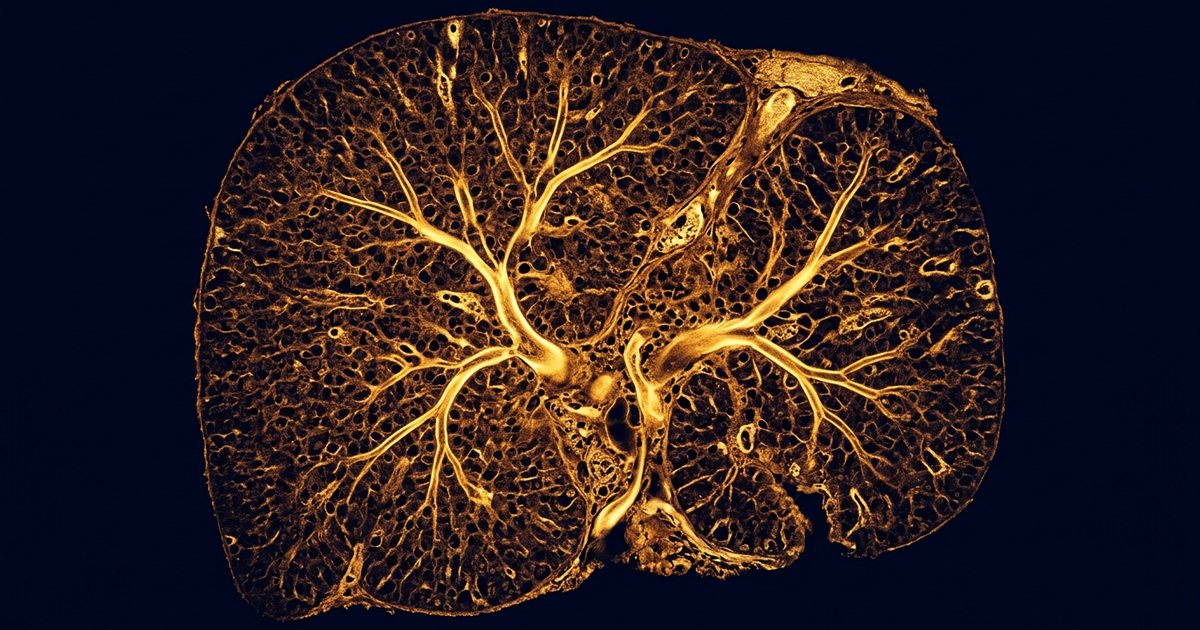
The gap is that none of these trials specifically enrolled people with alcohol-related liver disease or tested whether TUDCA changes outcomes for active or recovering drinkers. Extrapolating “TUDCA helps the liver in cirrhosis trials” to “TUDCA will protect my liver from alcohol” skips over a meaningful difference in disease mechanism — alcohol’s damage pathway (oxidative stress, acetaldehyde toxicity, direct mitochondrial injury) is not identical to the cholestatic and fibrotic processes those trials measured.
What This Means If You Drink Regularly
If the goal is genuinely protecting liver health, the highest-leverage intervention remains reducing alcohol intake — nothing in TUDCA’s research profile changes that math. TUDCA is not a licensed or clinically validated way to “undo” or offset alcohol’s hepatotoxic effects, and using it that way is not supported by the evidence covered above.
People already taking TUDCA for an unrelated reason (post-cycle support, general liver-marker interest, neuroprotection research) who also drink should not assume the supplement is doing anything to blunt alcohol’s liver impact. Anyone with existing liver disease, elevated liver enzymes, or a history of heavy drinking should talk to a physician about alcohol use and liver monitoring — bile acid supplements are not a substitute for that conversation.

Frequently Asked Questions
Does TUDCA protect the liver from alcohol damage?
The direct evidence does not support this. The one cell-culture study testing TUDCA against ethanol and acetaldehyde toxicity found the protective effect “dubious,” and pre-treatment with TUDCA before alcohol exposure worsened cell damage in that model rather than preventing it.
Can I take TUDCA before or after drinking to reduce liver stress?
There is no clinical trial testing this specific use. The available cell research does not support pre-treatment as protective, and no human study has tested TUDCA timing around alcohol consumption.
Is elevated TUDCA in alcoholic hepatitis patients a good sign?
No. Elevated TUDCA in alcoholic hepatitis reflects disrupted bile acid metabolism during active liver injury and correlates with bilirubin, a marker of impaired liver function — it is a sign of disease, not a therapeutic response.
What liver conditions does TUDCA actually have trial support for?
Randomized controlled trials support TUDCA’s enzyme-lowering effects in cirrhosis, chronic hepatitis C, and cholestatic conditions. None of these trials specifically studied alcohol-related liver disease or heavy drinkers.
References
- Toxicity of ethanol and acetaldehyde in hepatocytes treated with ursodeoxycholic or tauroursodeoxycholic acid. Chemico-Biological Interactions (2004). PMID 14741743
- Targeted Plasma Bile Acid Metabolomic Analysis in Metabolic Dysfunction-Associated Steatohepatitis and Alcoholic Hepatitis. Biomedicines (2024). PMID 39857662
- Efficacy and safety of tauroursodeoxycholic acid in the treatment of liver cirrhosis: a double-blind randomized controlled trial. European Journal of Gastroenterology & Hepatology (2013). PMID 23592128
These statements have not been evaluated by the Food and Drug Administration. This information is not intended to diagnose, treat, cure, or prevent any disease. Content is for informational purposes only and is not medical advice; consult a qualified healthcare provider before starting any supplement. As an Amazon Associate we earn from qualifying purchases.