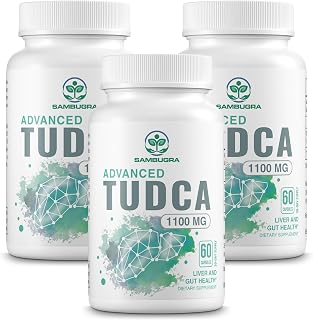
Oral anabolic steroids — particularly C-17 alpha-alkylated (17-AA) compounds — subject the liver to intense, sustained stress with every dose. First-pass hepatic metabolism concentrates these compounds inside hepatocytes, where they impair bile acid export, trigger mitochondrial dysfunction, and activate the unfolded protein response. In the fitness and bodybuilding community, TUDCA (tauroursodeoxycholic acid) has become the most widely discussed liver-support compound for oral steroid cycles, thanks to a mechanistic rationale that maps directly onto the pathways these drugs disrupt.
TUDCA is a naturally occurring, taurine-conjugated bile acid distinguished by its hydrophilic character — a property that makes it far less cytotoxic than the hydrophobic bile salts that accumulate during cholestasis. Clinical research has explored TUDCA in primary biliary cholangitis, nonalcoholic fatty liver disease, ALS, and retinal degeneration. Its use in anabolic-steroid-induced liver injury (ASILI) is extrapolated rather than directly proven; no large-scale randomized controlled trial has specifically tested it in steroid-using athletes. With that context established, the following protocol reflects the mechanistic rationale and harm-reduction logic most commonly applied by practitioners in this space.
Key Takeaways
- Oral 17-AA steroids damage the liver through cholestasis, ER stress, and mitochondrial apoptosis — TUDCA’s mechanisms address all three pathways, making it mechanistically well-suited as adjunct support.
- A typical protocol runs TUDCA 1–2 weeks before the cycle (250–500 mg/day), during the cycle (500–1,000 mg/day split with fat-containing meals), and 4–6 weeks post-cycle (250–500 mg/day).
- No large-scale RCT has tested TUDCA specifically for anabolic-steroid-induced liver injury; dosing guidance is extrapolated from cholestasis research and practitioner harm-reduction consensus.
- Liver enzyme monitoring (AST, ALT, GGT, bilirubin, ALP) every 4–6 weeks during the cycle is non-negotiable — TUDCA is adjunct support, not a safety guarantee.
- TUDCA is contraindicated in bile duct obstruction and has clinically relevant drug interactions with cyclosporine, bile acid sequestrants, and some lipid-lowering agents; medical consultation is required if you take prescription medications.
How Oral Steroids Damage the Liver
17-AA oral steroids resist enzymatic degradation in the gut and arrive at the liver in high concentrations via portal circulation. Inside hepatocytes, they impair the bile salt export pump (BSEP) and other canalicular transporters, causing bile acids to pool — a condition called intrahepatic cholestasis. Simultaneously, they activate mitochondrial apoptosis pathways and trigger endoplasmic reticulum (ER) stress through accumulation of misfolded proteins. If the injury is severe or prolonged, structural damage to the bile ducts themselves can occur, a rare but devastating outcome documented in drug-induced liver injury (DILI) cases [1].
The hepatotoxicity of androgenic-anabolic steroids is dose-dependent and compound-specific. Research examining hepatic protection in AAS users has demonstrated that adjunctive interventions targeting hepatocellular membranes and oxidative stress can meaningfully influence markers of liver injury [2]. This establishes a plausible framework for using agents like TUDCA that act on overlapping protective pathways — though TUDCA itself was not the compound studied in that work.
How TUDCA Addresses Steroid-Induced Liver Stress
TUDCA is thought to protect hepatocytes through at least three distinct mechanisms. First, it displaces more toxic, hydrophobic bile acids from the bile acid pool. By increasing the proportion of hydrophilic bile acids in circulation, it reduces bile acid cytotoxicity at the canalicular membrane — a direct counter to cholestasis-type injury. Second, TUDCA stabilizes mitochondrial membrane integrity, inhibiting the permeability transition that initiates the intrinsic apoptosis cascade. Third, and particularly relevant to 17-AA steroid metabolism, TUDCA functions as a chemical chaperone in the ER, helping misfolded proteins achieve correct tertiary structure and thereby suppressing the unfolded protein response (UPR).
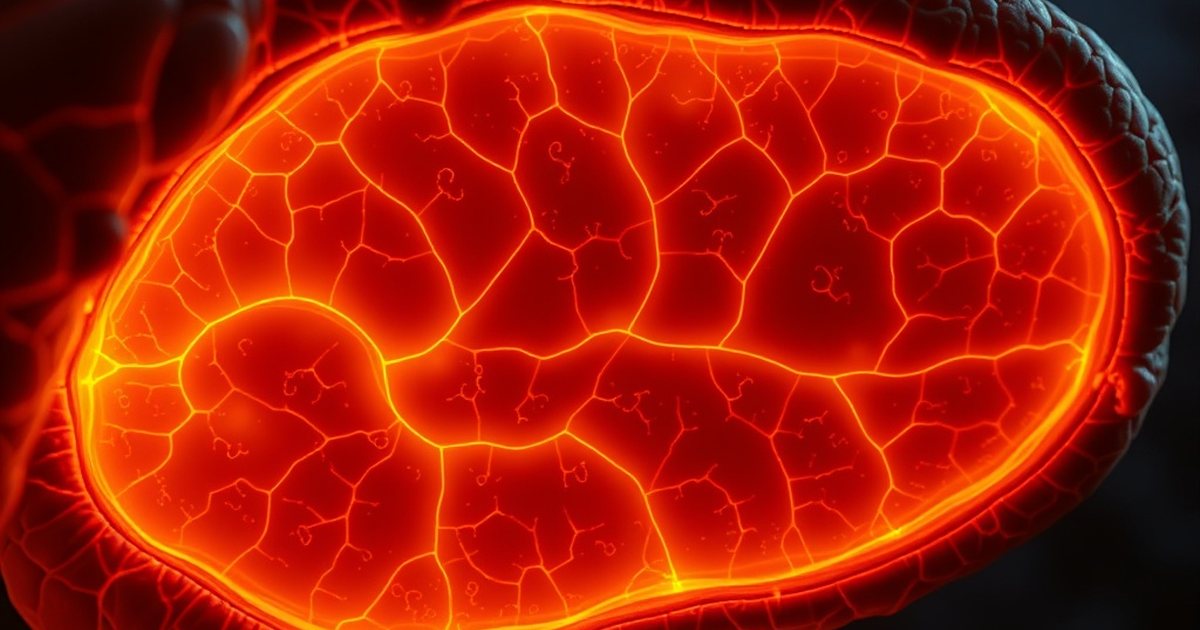
Cholestasis can also arise from mechanisms beyond direct hepatotoxicity. Cytokine-driven interference with bile acid transport has been documented clinically, illustrating that bile acid stasis is a convergent injury pathway triggered by multiple insults [3]. TUDCA’s choleretic action — stimulating bile flow — is relevant across these mechanisms, not only in steroid-specific injury.

Before the Cycle: Pre-Loading Phase
A pre-loading period of one to two weeks before the first oral steroid dose is a common harm-reduction practice. The rationale is that establishing hepatic TUDCA concentrations in advance may blunt the rapid bile acid stress and ER disruption that accompany the introduction of a 17-AA compound, particularly in the first week of use when compensatory mechanisms have not yet been upregulated.
The standard pre-load dose is 250–500 mg per day, taken with a meal containing dietary fat to optimize bile acid absorption. No specific RCT validates this timing window for ASILI, but it parallels hepatic preconditioning strategies in clinical hepatology, where early intervention limits ER and mitochondrial injury before it has the opportunity to compound. Think of it as priming the liver’s defenses before the insult begins rather than scrambling to respond after.

During the Cycle: Active Dosing Phase
Once oral steroids begin, the TUDCA dose is typically raised to 500–1,000 mg per day, split into two equal doses taken with meals — for example, 250–500 mg with breakfast and 250–500 mg with the evening meal. The higher end of this range is generally reserved for compounds with greater intrinsic hepatotoxicity, such as oxymetholone, methylstenbolone, or methyltestosterone, whereas milder 17-AA compounds may be managed at the lower end. Fat co-ingestion remains important throughout this phase for consistent absorption.
Routine liver enzyme monitoring during the cycle is not optional. Testing AST, ALT, GGT, total bilirubin, and alkaline phosphatase every four to six weeks provides an objective picture of hepatic stress that no supplement protocol can substitute for. If transaminases exceed three times the upper limit of normal, the standard harm-reduction recommendation is to discontinue the oral steroid and continue TUDCA support under medical supervision. Any onset of cholestatic symptoms — dark urine, pale stools, right upper quadrant pain, or jaundice — warrants immediate medical evaluation regardless of TUDCA status [1].
After the Cycle: Post-Cycle Recovery Phase
Hepatic inflammation and bile acid transporter dysfunction can persist for weeks after the last oral steroid dose as damaged canalicular pumps and ER stress pathways gradually recover. Continuing TUDCA through this window supports ongoing bile flow normalization, mitochondrial membrane repair, and clearance of residual ER stress signals — all of which remain active even after the exogenous steroid load has cleared.
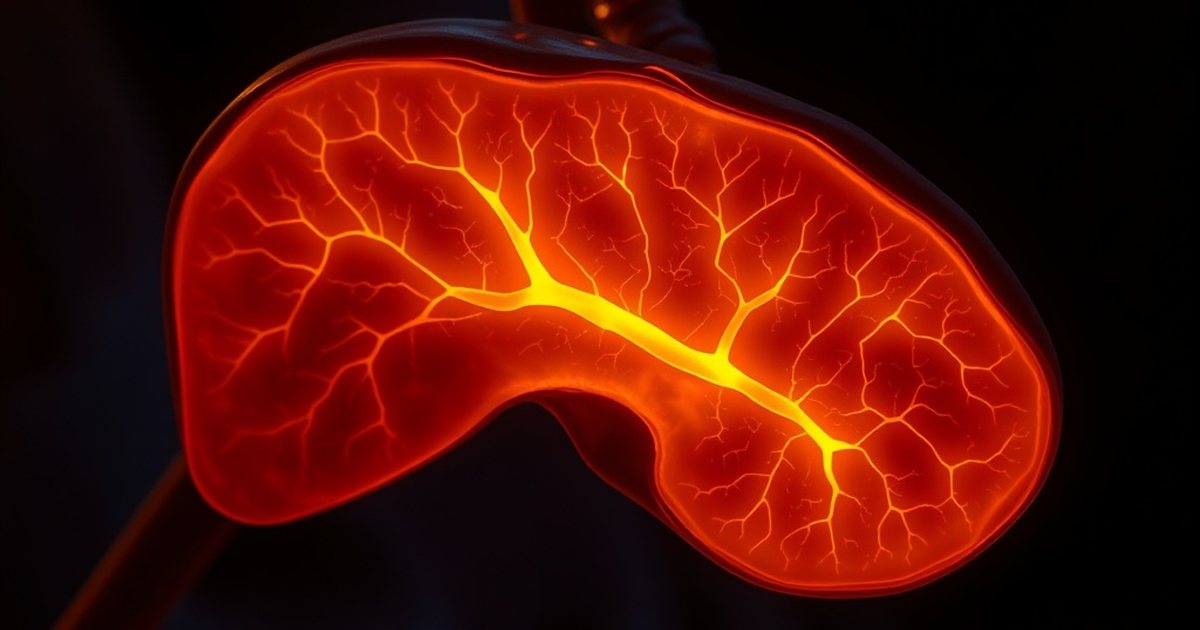
The typical post-cycle TUDCA protocol runs four to six weeks after the final oral dose, with the dose tapered back to 250–500 mg per day. Liver enzymes in uncomplicated cases usually normalize within one to three months of steroid cessation, though this timeline varies with cumulative exposure, compound selection, and individual hepatic reserve. A follow-up liver panel at the four-to-six-week mark post-cycle confirms that recovery is progressing and provides a useful baseline before any future protocol.

Drug Interactions, Contraindications, and Who Should Avoid TUDCA
TUDCA is contraindicated in bile duct obstruction. Promoting bile secretion into an obstructed duct raises intraductal pressure and can worsen the injury — the opposite of the intended effect. It also requires caution in individuals with active cholangitis, gallbladder disease, or severe hepatic impairment. Before starting any TUDCA protocol, a baseline liver panel and an honest review of personal hepatic history are prudent minimum steps.
From an interaction standpoint, bile acid sequestrants (cholestyramine, colestipol) compete with TUDCA for biliary activity and should not be co-administered without medical guidance. TUDCA can alter the enterohepatic cycling of cyclosporine, potentially shifting its bioavailability in clinically meaningful ways, and interactions with certain lipid-lowering agents have also been noted. For anyone taking prescription medications — particularly immunosuppressants, cardiovascular drugs, or statins — physician consultation before starting TUDCA is required, not a suggestion.
🛒 Where to Buy TUDCA
- BulkSupplements.com TUDCA CapsulesLab-tested / studied
capsules, 500 mg per capsule, 90 capsules — Third-party tested and made in a cGMP facility; one capsule per serving; higher per-capsule dose suits users targeting 500–1000 mg/day protocols - Nutricost TUDCA 250mg
capsules, 250 mg per capsule, 60 capsules — High-volume seller; non-GMO and gluten-free labeling; no third-party purity COA publicly posted, but consistent community reputation for accurate dosing - Double Wood Supplements TUDCA Bile Salts 500mg
capsules, 500 mg per capsule, 60 capsules — USA-manufactured; publishes basic COA on request; popular among biohacker community for reliable potency at accessible price point - Nutricost TUDCA Powder
powder, 25 g tub — Best cost-per-gram option for daily high-dose users; gluten-free, same material as their capsule line; requires a milligram-accurate scale for precise dosing
As an Amazon Associate we earn from qualifying purchases. TUDCA quality varies widely — always choose a product that publishes a third-party purity test (COA) confirming 98%+ tauroursodeoxycholic acid before buying.
A Note on the Evidence
The direct evidence base for TUDCA use specifically in anabolic-steroid-induced liver injury is limited; current protocols are extrapolated from clinical research in cholestatic and other liver diseases rather than validated in athlete populations through large-scale RCTs. TUDCA is contraindicated in bile duct obstruction and requires medical supervision in anyone with gallbladder disease, cholangitis, severe hepatic impairment, or who takes cyclosporine, bile acid sequestrants, or certain lipid-lowering medications; this article is informational only and does not constitute medical advice — consult a licensed physician before beginning any supplement protocol alongside anabolic steroids.
Frequently Asked Questions
What is the recommended TUDCA dose for an oral steroid cycle?
Most harm-reduction protocols use 500–1,000 mg per day during an active oral steroid cycle, split into two doses taken with fat-containing meals. The higher end is typically selected for compounds with greater hepatotoxicity, such as oxymetholone. No RCT has validated a specific dose for this indication; these figures represent practitioner consensus extrapolated from TUDCA’s clinical use in cholestatic liver disease.
How long before a cycle should I start TUDCA?
A common recommendation is to begin one to two weeks before the first oral dose at 250–500 mg per day. This pre-loading window is intended to establish hepatic TUDCA concentrations before bile acid stress begins. The practice is mechanistically reasonable but has not been validated in a controlled trial specific to anabolic steroid use.

Does TUDCA eliminate liver risk from oral steroids?
No. TUDCA addresses several mechanisms of steroid-induced liver injury, but it does not neutralize the hepatotoxic potential of 17-AA compounds. Drug-induced liver injury can progress to serious structural damage including bile duct destruction [1], and hepatic stress can occur even when adjunctive hepatoprotective agents are used [2]. Regular monitoring remains essential.
What liver markers should I test during an oral steroid cycle?
At minimum, monitor AST, ALT, GGT, total bilirubin, and alkaline phosphatase every four to six weeks during the cycle and again four to six weeks after the final dose. Elevations in GGT and ALP alongside rising bilirubin suggest a cholestatic injury pattern, which maps closely to the mechanism of 17-AA steroid hepatotoxicity. Values more than three times the upper limit of normal are a standard threshold for stopping the oral compound.
Can I combine TUDCA with statins or other prescription drugs?
Caution is warranted. TUDCA can alter the enterohepatic circulation of drugs including cyclosporine and may interact with bile acid sequestrants and certain lipid-lowering agents, potentially shifting their bioavailability. Anyone taking prescription medications — particularly statins, immunosuppressants, or cardiac drugs — should consult a physician before adding TUDCA to their regimen.
What symptoms should prompt me to stop my cycle immediately, even while on TUDCA?
Dark urine (cola or iced-tea colored), pale or clay-colored stools, jaundice (yellowing of the skin or eyes), or persistent right upper quadrant pain are signs of significant cholestasis or progressive liver injury [1]. These symptoms require immediate medical evaluation — they indicate injury that may be advancing beyond what any supplement protocol can manage on its own.
References
- Greca RD et al. Vanishing bile duct syndrome related to DILI and Hodgkin lymphoma overlap: A rare and severe case. Annals of hepatology (2020). PMID 31537508
- Pagonis TA et al. Multivitamins and phospholipids complex protects the hepatic cells from androgenic-anabolic-steroids-induced toxicity. Clinical toxicology (Philadelphia, Pa.) (2008). PMID 17852158
- Fisher B et al. Interleukin-2 induces profound reversible cholestasis: a detailed analysis in treated cancer patients. Journal of clinical oncology : official journal of the American Society of Clinical Oncology (1989). PMID 2585024
These statements have not been evaluated by the Food and Drug Administration. This information is not intended to diagnose, treat, cure, or prevent any disease. Content is for informational purposes only and is not medical advice; consult a qualified healthcare provider before starting any supplement. As an Amazon Associate we earn from qualifying purchases.