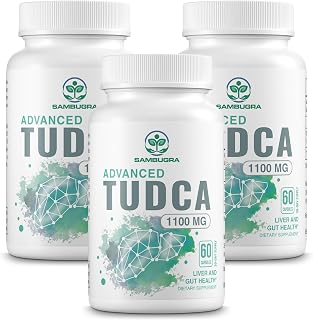
Oral anabolic steroids — particularly 17-alpha-alkylated androgens — are among the most hepatotoxic substances used in recreational bodybuilding. The chemical modification that lets these drugs survive first-pass liver metabolism also makes them direct triggers of drug-induced liver injury and intrahepatic cholestasis, a condition in which bile flow is impaired and toxic bile acids accumulate inside hepatocytes. TUDCA (tauroursodeoxycholic acid), the taurine-conjugated form of the naturally occurring bile acid ursodeoxycholic acid (UDCA), has become the most widely used on-cycle liver-support supplement in this community — and for mechanistic reasons that are at least biologically plausible.
This article explains the proposed science behind TUDCA honestly, drawing on current research in drug-induced liver injury, cholestasis, and bile acid regulation. What it will not do is overstate an evidence base that, for healthy people using anabolic steroids specifically, remains largely extrapolated from disease-state data and animal models. Understanding what TUDCA may and may not do is more useful than the marketing claims that surround it.
Key Takeaways
- TUDCA is the taurine-conjugated form of UDCA, a clinically studied bile acid with documented hepatoprotective mechanisms including promoting bile flow, displacing toxic bile acids, reducing ER stress, and inhibiting mitochondrial apoptosis [1].
- Oral anabolic steroids cause liver injury primarily through cholestatic mechanisms and bile acid-driven oxidative inflammation — pathways that UDCA and TUDCA have demonstrated direct relevance to in disease-state and mechanistic research.
- No large randomized controlled trial has studied TUDCA specifically in healthy bodybuilders on oral steroid cycles; the evidence base in this application is extrapolated from drug-induced liver injury and cholestasis research.
- TUDCA carries real contraindications (bile duct obstruction, gallbladder disease) and meaningful drug interactions — it should not be treated as a consequence-free over-the-counter safety net.
- Regular liver function testing before, during, and after an oral steroid cycle provides more actionable safety information than any supplement protocol, and significantly elevated enzymes warrant medical evaluation.
How Oral Steroids Injure the Liver
17-alpha-alkylated oral anabolic steroids cause hepatic stress through several overlapping mechanisms. The most clinically significant is cholestatic injury: these compounds impair bile acid transport proteins — particularly the bile salt export pump (BSEP) — causing bile and the hydrophobic, cytotoxic bile acids it carries to accumulate inside liver cells. This accumulation triggers oxidative stress, inflammatory signaling, and, in severe cases, hepatocyte apoptosis. Elevated liver enzymes (ALT, AST, GGT) on bloodwork during an oral cycle reflect this ongoing hepatocellular damage.
The gut-liver axis is also disrupted during drug-induced liver injury. Emerging research demonstrates that alterations in gut microbiota composition and the metabolites they produce can amplify or mitigate hepatic inflammation, with microbial bile acid metabolism playing a particularly important modulatory role [2]. This means the liver’s response to oral steroid toxicity is not an isolated event — disruptions radiate systemically through the bile acid pool and intestinal immune crosstalk.
What TUDCA Is and How It Differs from UDCA
UDCA is a hydrophilic, secondary bile acid present in small quantities in human bile. It has been used clinically for decades to manage primary biliary cholangitis and gallstone dissolution, and its safety in these patient populations is well characterized. TUDCA is formed when UDCA is conjugated to the amino acid taurine, making it more water-soluble and conferring improved intestinal absorption over unconjugated UDCA. In the liver, TUDCA is proposed to exert multiple protective effects: it displaces more toxic, hydrophobic bile acids from the circulating bile acid pool, reduces endoplasmic reticulum (ER) stress through the unfolded protein response pathway, inhibits the mitochondrial apoptosis cascade, and modulates inflammatory signaling.

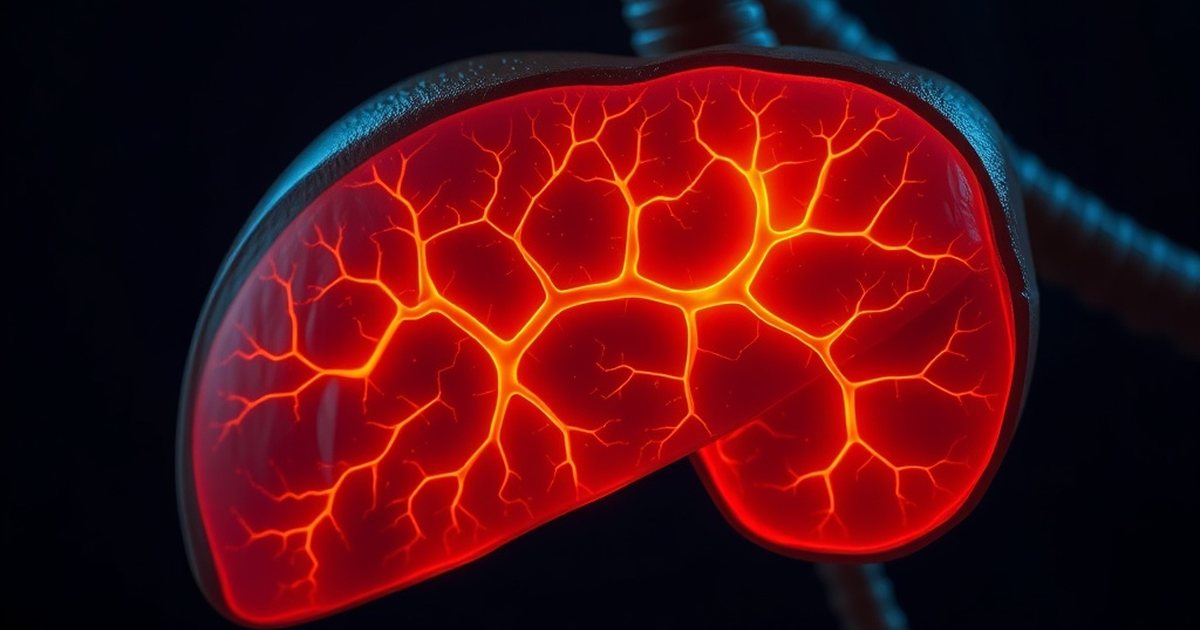
Research examining UDCA in drug-induced liver injury contexts has documented hepatoprotective and anti-cholestatic mechanisms — including promotion of choleretic bile flow, attenuation of bile acid-driven hepatocyte injury, and modulation of immune-inflammatory pathways [1]. Because TUDCA is the taurine conjugate of UDCA, it is thought to share and potentially enhance these mechanisms due to greater bioavailability, though direct head-to-head clinical comparisons in drug-induced liver injury remain limited.
The FXR Pathway: The Liver's Bile Acid Sensor
The farnesoid X receptor (FXR) is a nuclear receptor that functions as the liver’s primary bile acid sensor and a master regulator of bile acid homeostasis. When bile acids accumulate to harmful concentrations — as occurs during oral steroid-induced cholestasis — FXR activation is supposed to trigger compensatory responses: suppression of de novo bile acid synthesis, upregulation of export transporters, and dampening of inflammatory signaling through NF-κB and NRF2 pathways. Research in cholestatic liver injury models has demonstrated that agents supporting the FXR-bile acid-NF-κB/NRF2 regulatory axis can reduce bile acid accumulation and its downstream inflammation and oxidative stress [3].

TUDCA is believed to support this system indirectly by shifting the bile acid pool toward more hydrophilic, less cytotoxic compositions — effectively reducing the pro-inflammatory burden that dysregulates FXR signaling. Related research has also shown that FXR activity influences cytochrome P450 (CYP) enzyme expression, which governs hepatic drug metabolism [4]. When oral steroids disrupt normal CYP-mediated metabolism, bile acid dysregulation may compound the hepatotoxic load, and agents that support FXR-bile acid homeostasis may help preserve normal hepatic metabolic function.
Bile Acid Toxicity and TUDCA's Proposed Cellular Mechanisms
In cholestatic states, hydrophobic bile acids such as lithocholic acid and deoxycholic acid accumulate and directly damage hepatocyte membranes, trigger mitochondrial permeability transition, and initiate apoptotic cascades. Animal models of cholestatic liver injury have characterized the progression of oxidative damage and inflammatory injury that follows bile acid retention in liver tissue [5]. TUDCA is proposed to compete with these toxic species for hepatic uptake and biliary excretion, diluting their intrahepatic concentration and reducing direct membrane and mitochondrial damage.
Beyond pool composition effects, TUDCA appears to stabilize mitochondrial membranes against permeability transition, attenuate ER stress-induced unfolded protein responses, and inhibit caspase-dependent apoptosis. These cellular mechanisms are well-cited in the supplement literature and carry genuine biological plausibility from experimental data — but the vast majority of supporting evidence comes from disease contexts, primarily cholangiopathies and chemical-induced liver injury models, rather than from studies of healthy people using anabolic steroids.
What the Research Does and Does Not Show for Oral Steroid Users
No published large-scale randomized controlled trial has studied TUDCA specifically in healthy recreational bodybuilders using oral anabolic steroids. The evidence supporting this application is extrapolated from three sources: clinical data on UDCA in hepatotoxicity and cholestasis management [1]; mechanistic research into bile acid signaling and hepatoprotective strategies in animal and cell culture models; and anecdotal community reporting of attenuated liver enzyme elevations during cycles where TUDCA was used.
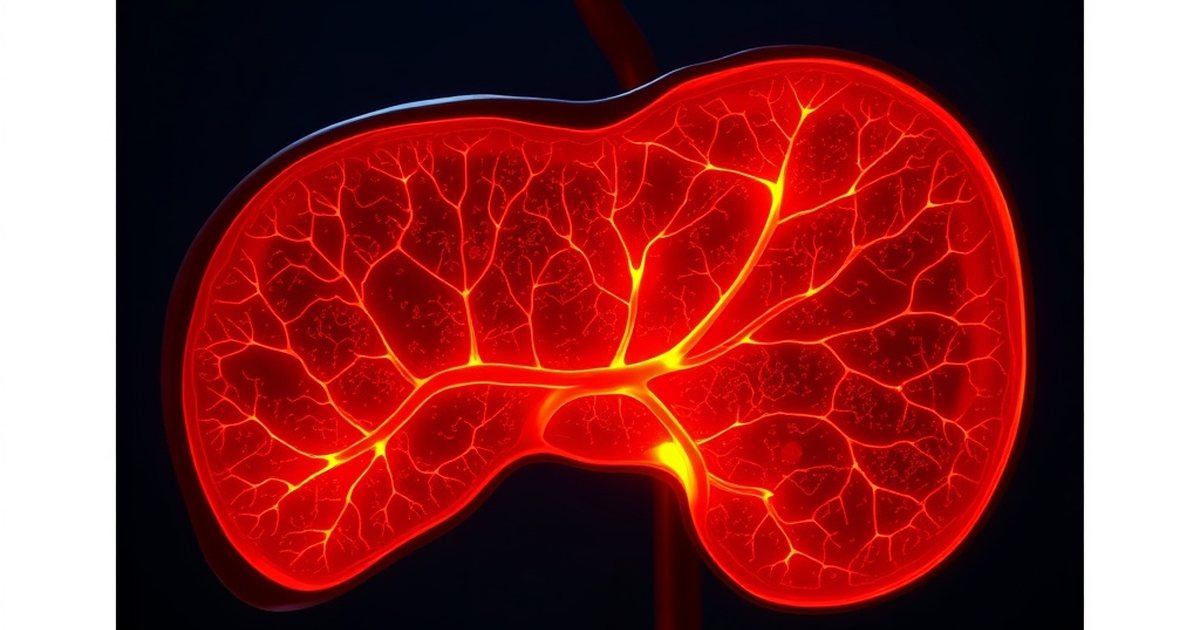
Ongoing research into pharmacological and phytochemical approaches for cholestatic liver injury continues to refine understanding of which molecular targets are most relevant [6], and gut microbiome science is clarifying how microbial bile acid processing shapes DILI severity and recovery [2]. This growing body of mechanistic work supports the biological plausibility of TUDCA as a hepatoprotective agent during oral steroid cycles — but plausibility is not proof of clinical efficacy in this application. Attenuation of serum liver enzyme elevation does not necessarily equate to complete protection against hepatocellular injury at the histological level, and no trial has demonstrated that TUDCA fully prevents oral steroid-induced liver damage in humans.

Practical Considerations: Dosing, Timing, and Drug Interactions
In clinical practice, UDCA is typically dosed at 10–15 mg/kg per day. Bodybuilders commonly use TUDCA at 250–500 mg daily, often split into two doses taken with meals, throughout an oral steroid cycle and for several weeks into the post-cycle recovery period. These empirical dose ranges are community-derived rather than established by controlled trials in this population; optimal hepatoprotective dosing for steroid-induced cholestasis in humans has not been formally studied.
Drug interactions represent a genuine and underappreciated concern. TUDCA and UDCA can alter the enterohepatic circulation of bile acids and may affect absorption of co-administered lipid-soluble medications. Simultaneous use with bile acid sequestrants such as cholestyramine may reduce the efficacy of both agents. Cyclosporine pharmacokinetics can be affected by bile acid-modifying compounds. Anyone taking prescription medications — particularly immunosuppressants, statins, or other hepatically-metabolized drugs — should consult a physician before adding TUDCA.
TUDCA is contraindicated in patients with bile duct obstruction and should only be used under medical supervision by individuals with known gallbladder disease, active cholangitis, or significant hepatic impairment. For those who choose to use it during oral steroid cycles, baseline and on-cycle liver function testing (ALT, AST, GGT, ALP, bilirubin) is strongly advisable — not merely to monitor response to TUDCA, but because significantly elevated or rising enzymes that fail to respond may indicate injury serious enough to require medical intervention regardless of what supplements are being taken.
🛒 Where to Buy TUDCA
- BulkSupplements.com TUDCA CapsulesLab-tested / studied
capsules, 500 mg per capsule, 90 capsules — Third-party tested and made in a cGMP facility; one capsule per serving; higher per-capsule dose suits users targeting 500–1000 mg/day protocols - Nutricost TUDCA 250mg
capsules, 250 mg per capsule, 60 capsules — High-volume seller; non-GMO and gluten-free labeling; no third-party purity COA publicly posted, but consistent community reputation for accurate dosing - Double Wood Supplements TUDCA Bile Salts 500mg
capsules, 500 mg per capsule, 60 capsules — USA-manufactured; publishes basic COA on request; popular among biohacker community for reliable potency at accessible price point - Nutricost TUDCA Powder
powder, 25 g tub — Best cost-per-gram option for daily high-dose users; gluten-free, same material as their capsule line; requires a milligram-accurate scale for precise dosing
As an Amazon Associate we earn from qualifying purchases. TUDCA quality varies widely — always choose a product that publishes a third-party purity test (COA) confirming 98%+ tauroursodeoxycholic acid before buying.
A Note on the Evidence
The evidence supporting TUDCA as liver protection during oral steroid cycles is biologically plausible but extrapolated primarily from disease-state research and preclinical models — no large-scale RCT has validated this use in healthy humans, and robust data outside established cholestasis indications remain limited. TUDCA is contraindicated in bile duct obstruction and requires medical supervision in anyone with existing gallbladder disease, cholangitis, or significant hepatic impairment; consult a physician before use, particularly if you take prescription medications, and treat regular bloodwork as a non-negotiable safety measure rather than an optional add-on. This article is informational and does not constitute medical advice.
Frequently Asked Questions
What makes TUDCA more targeted for steroid-related liver stress than milk thistle or NAC?
Milk thistle (silymarin) and NAC primarily work through antioxidant pathways — NAC replenishes hepatic glutathione, and silymarin scavenges reactive oxygen species while exerting some anti-inflammatory activity. TUDCA works by directly modifying the bile acid pool composition and promoting choleresis, mechanisms targeted at the specific type of injury oral steroids cause: cholestatic disruption of bile flow. Research on drug-induced liver injury identifies bile acid regulation as a distinct and relevant hepatoprotective strategy [1]. These approaches are not mutually exclusive and some bodybuilders use them in combination.
Can TUDCA fully protect the liver from oral steroid damage?
No. TUDCA has mechanistic plausibility in the context of cholestatic liver injury, but no evidence establishes that it fully prevents hepatocellular damage from oral anabolic steroid use in humans. Research continues to reveal the complexity of the inflammatory cascades and gut-liver interactions involved in drug-induced liver injury [2], underscoring that no single supplement negates hepatotoxic drug exposure. Minimizing the dose and duration of hepatotoxic compound exposure remains the most reliable protective strategy.
How does FXR relate to liver protection on a steroid cycle?
The farnesoid X receptor is a nuclear receptor that acts as the liver’s primary bile acid sensor. When toxic bile acids accumulate during cholestatic oral steroid use, FXR normally activates compensatory mechanisms to reduce bile acid synthesis, increase biliary excretion, and suppress inflammation via NF-κB and NRF2 signaling. Research shows that supporting the FXR-bile acid regulatory axis can meaningfully reduce the injury and oxidative stress caused by bile acid accumulation [3]. TUDCA is thought to reduce disruptive pressure on this system by shifting the bile acid pool toward more hydrophilic, less cytotoxic species.
When during a cycle should TUDCA be taken?
Common practice is to begin TUDCA on the first day of oral steroid use and continue it throughout the cycle and for several weeks into post-cycle therapy, reasoning that hepatoprotective support should be present while the liver actively metabolizes the hepatotoxic compound and during recovery. There is no controlled trial establishing optimal start timing or duration in this population; current community protocols are based on pharmacological rationale and empirical experience rather than RCT data.
Does the gut microbiome affect how well TUDCA works?
It is plausible. Emerging research demonstrates that gut microbiota composition and microbial bile acid metabolism significantly influence drug-induced liver injury severity and recovery, with gut dysbiosis capable of amplifying hepatic inflammation [2]. Since gut bacteria convert primary bile acids into secondary species — including forms that are either protective or more cytotoxic — individual differences in microbiome composition could theoretically affect how the liver responds to TUDCA supplementation. Whether this is a clinically meaningful variable in oral steroid users has not been studied directly.
Are there drug interactions bodybuilders on cycle should know about?
Yes. TUDCA can impair the efficacy of bile acid sequestrants (cholestyramine, colestipol) if taken at the same time. It may also affect the pharmacokinetics of cyclosporine and certain lipid-soluble medications by altering bile flow and enterohepatic recirculation. FXR modulation influences CYP enzyme expression, which governs how many drugs are metabolized in the liver [4], meaning bile acid-active compounds like TUDCA have the potential for broader drug-interaction effects than their supplement status might suggest. Anyone taking prescription medications should consult a physician before use.
References
- Bessone F et al. Ursodeoxycholic Acid for the Management of Drug-induced Liver Injury: Role of Hepatoprotective and Anti-cholestatic Mechanisms. Journal of clinical and translational hepatology (2025). PMID 39917470
- Mao X et al. Gut microbiota-metabolite interactions in drug-induced liver injury: mechanisms, biomarkers, and therapeutic perspectives. Frontiers in cellular and infection microbiology (2025). PMID 41473771
- Wang MQ et al. Wedelolactone alleviates cholestatic liver injury by regulating FXR-bile acid-NF-κB/NRF2 axis to reduce bile acid accumulation and its subsequent inflammation and oxidative stress. Phytomedicine : international journal of phytotherapy and phytopharmacology (2024). PMID 38014837
- Fan M et al. Geniposidic Acid Targeting FXR "S332 and H447" Mediated Conformational Change to Upregulate CYPs and miR-19a-3p to Ameliorate Drug-Induced Liver Injury. Advanced science (Weinheim, Baden-Wurttemberg, Germany) (2025). PMID 39998442
- Pan PH et al. Plumbagin ameliorates bile duct ligation-induced cholestatic liver injury in rats. Biomedicine & pharmacotherapy = Biomedecine & pharmacotherapie (2022). PMID 35594710
- Liu Y et al. Metabolomics and serum pharmacochemistry combined with network pharmacology uncover the potential effective ingredients and mechanisms of Yin-Chen-Si-Ni Decoction treating ANIT-induced cholestatic liver injury. Journal of ethnopharmacology (2024). PMID 39163894
These statements have not been evaluated by the Food and Drug Administration. This information is not intended to diagnose, treat, cure, or prevent any disease. Content is for informational purposes only and is not medical advice; consult a qualified healthcare provider before starting any supplement. As an Amazon Associate we earn from qualifying purchases.