Parkinson’s disease is defined by the progressive loss of dopamine-producing neurons in the substantia nigra — a process driven by mitochondrial dysfunction, endoplasmic reticulum stress, neuroinflammation, and the accumulation of misfolded alpha-synuclein protein. Researchers looking for compounds that address several of these mechanisms simultaneously have increasingly turned attention to bile acids, and in particular to tauroursodeoxycholic acid (TUDCA), a naturally occurring, taurine-conjugated bile acid with documented cytoprotective properties.
The research is almost entirely preclinical: cell culture experiments and mouse models using the neurotoxin MPTP (1-methyl-4-phenyl-1,2,3,6-tetrahydropyridine) to mimic Parkinson’s-like dopaminergic damage. No large-scale human clinical trials specifically investigating TUDCA in Parkinson’s disease have been completed and published. That important caveat should frame everything that follows. What the early data does suggest, however, is a biologically plausible story worth understanding — and monitoring as research matures.
Key Takeaways
- Multiple independent preclinical studies report that TUDCA protects dopamine-producing neurons and reduces cell death in MPTP mouse models of Parkinson’s disease [1][2][3].
- Proposed mechanisms include mitochondrial apoptosis inhibition, endoplasmic reticulum stress reduction, and activation of the Nrf2 antioxidant pathway [4].
- Early combination research suggests TUDCA may have additive effects alongside coenzyme Q10 and creatine in cell models, and may complement standard Parkinson’s pharmacotherapy in animal studies [5][6].
- All positive findings to date come from cell culture or animal experiments. No human clinical trial of TUDCA in Parkinson’s disease patients has been published at any size.
- Bile acid research in neurodegeneration is a genuinely active and evolving field, but the gap between promising preclinical data and proven human benefit remains wide and should not be minimized.
How Parkinson's Disease Destroys Dopamine Neurons
Parkinson’s disease is not simply a dopamine deficiency; it is the consequence of a cascade of cellular insults that ultimately kill the neurons responsible for producing dopamine. Mitochondria in these neurons become dysfunctional, energy production falters, reactive oxygen species accumulate, and the cell’s protein quality-control machinery — centered on the endoplasmic reticulum — is overwhelmed. The result is a self-amplifying cycle of oxidative stress and cell death.
Neuroinflammation compounds the damage. Activated microglia release pro-inflammatory mediators that further stress surviving neurons [7]. Simultaneously, the protein alpha-synuclein misfolds and aggregates into Lewy bodies, a pathological hallmark whose precise role in neuron death is still being unraveled [8]. Any therapeutic candidate that can interrupt more than one of these converging pathways is of inherent scientific interest — which is why TUDCA has attracted attention.
Early clues that bile acids might matter in Parkinson’s came from unexpected directions: researchers noted that genetic variants affecting bile acid metabolism appeared to correlate with neurodegeneration risk, and experiments in fruit flies suggested a mitochondrial connection between bile acid signaling and dopaminergic cell survival [9]. Peroxisomal dysfunction, another feature of neurodegenerative disease, also intersects with the lipid-metabolism pathways that bile acids influence [10].
TUDCA and Dopaminergic Neuron Protection: The MPTP Model Evidence
The most direct evidence for TUDCA in Parkinson’s disease comes from studies using the MPTP mouse model, in which administration of the neurotoxin selectively kills substantia nigra dopaminergic neurons and produces motor deficits that resemble human Parkinson’s disease. In a 2012 study, TUDCA treatment prevented MPTP-induced dopaminergic cell death in this model, suggesting the compound could shield the very neurons that Parkinson’s disease targets [1].
A 2018 study built on that finding, demonstrating that TUDCA not only reduced dopaminergic neuron loss but also improved motor symptoms in MPTP-treated mice, as assessed by behavioral tests of locomotion and coordination [2]. More recently, a 2022 investigation in a chronic MPTP model — which is considered a closer approximation to the slowly progressive nature of human Parkinson’s disease — again reported neuroprotective effects [3].

A 2025 study added a clinically relevant twist by combining TUDCA with Syndopa (levodopa/carbidopa, the standard pharmacotherapy for Parkinson’s disease). The combination protected both the midbrain and the gut from MPTP-induced toxicity, and immunohistochemical analysis confirmed preservation of dopaminergic neurons in both compartments [6]. The gut finding is notable given growing recognition that Parkinson’s pathology may originate or propagate through the enteric nervous system.
Mechanisms: Mitochondrial Protection and ER Stress Reduction
TUDCA’s proposed neuroprotective actions map onto several of the damage pathways described above. As a hydrophilic bile acid, TUDCA has well-characterized anti-apoptotic properties: it inhibits the mitochondrial apoptosis pathway, in which damaged mitochondria release cytochrome c to trigger cell death. In neurons that are already under metabolic stress, this mitochondrial stabilization may delay or prevent the tipping point at which a cell commits to apoptosis.
TUDCA also reduces endoplasmic reticulum stress, the condition in which the ER’s protein-folding capacity is overwhelmed — a state documented in Parkinson’s disease neurons struggling with alpha-synuclein accumulation. By acting as a chemical chaperone that reduces protein misfolding burden, TUDCA may relieve one of the upstream triggers of neuronal apoptosis.
Researchers have explored novel delivery strategies to enhance these effects. A 2025 nanobiotechnology study developed mitochondria-targeted nanovesicles carrying ursodeoxycholic acid (the precursor bile acid from which TUDCA is derived) directly to neurons, reporting that targeted delivery ameliorated mitochondrial dysfunction in neurodegeneration models [11]. While this research involved UDCA rather than TUDCA specifically, it illustrates how scientists are working to concentrate bile acid activity precisely where neuronal damage originates.
Neuroinflammation and the Nrf2 Antioxidant Pathway
Beyond its direct effects on mitochondria and the ER, TUDCA appears to engage the Nrf2 pathway — a master transcriptional regulator of the cell’s antioxidant defense system. A 2017 study demonstrated Nrf2 activation by TUDCA in experimental Parkinson’s disease models, suggesting that part of TUDCA’s protective action involves upregulating the cell’s endogenous capacity to neutralize oxidative stress [4]. Nrf2 activation reduces levels of reactive oxygen species and inflammatory mediators that would otherwise accelerate dopaminergic neuron death.
A 2025 mechanistic review of ursodeoxycholic acid (UDCA) in Parkinson’s disease drew together multiple lines of evidence on how bile acids modulate neuroinflammation, mitochondrial function, and alpha-synuclein pathology, providing useful mechanistic context for the TUDCA-specific findings [12]. The review underscores that bile acids should not be viewed as single-target drugs; their neuroprotective potential, if confirmed, likely reflects a multi-mechanism profile.
Combination Approaches: TUDCA Alongside Other Neuroprotective Agents
Because Parkinson’s disease involves multiple converging damage pathways, researchers have begun exploring whether TUDCA works better in combination with other compounds that target complementary mechanisms. A 2024 in-vitro study tested TUDCA alongside coenzyme Q10 (which supports mitochondrial electron transport) and creatine (which buffers cellular energy supply). The combination demonstrated additive neuroprotective effects in cell models of Parkinson’s disease — a finding that, while preliminary, suggests the compounds do not simply duplicate each other’s actions [5].

The 2025 TUDCA-plus-Syndopa study mentioned earlier is particularly relevant from a clinical perspective, because it asks whether TUDCA could serve as an adjunct to existing Parkinson’s pharmacotherapy rather than a standalone treatment [6]. If TUDCA can protect neurons from ongoing toxicity while Syndopa manages symptoms, the two agents could be complementary rather than competing. However, this hypothesis requires validation in human trials before any clinical conclusions can be drawn.
Alpha-synuclein aggregation — the protein-misfolding process central to Parkinson’s pathology — is another potential leverage point. Research into chemical chaperones capable of disrupting alpha-synuclein aggregation is active and ongoing [8], and TUDCA’s known chaperone-like activity places it within a broader class of compounds being evaluated for this purpose, though direct evidence that TUDCA reduces alpha-synuclein aggregates in vivo remains limited in the published literature reviewed here.
The Gap Between Animal Research and Human Evidence
The body of preclinical evidence reviewed above is internally consistent and mechanistically coherent: multiple independent research groups, using different experimental designs, have found that TUDCA protects dopaminergic neurons in MPTP-based rodent models. That consistency is meaningful — it is not a single anomalous result.

However, the translation from mouse models to human Parkinson’s disease has proven notoriously difficult. Many compounds that protect neurons in MPTP mice have failed to demonstrate benefit in human trials, for reasons including differences in disease timeline, blood-brain barrier penetration, dosing pharmacokinetics, and the genetic and environmental heterogeneity of human patients. TUDCA has not yet cleared this translational barrier in Parkinson’s disease specifically: no randomized controlled trial of TUDCA has been run in Parkinson’s patients. The closest human evidence tests its unconjugated parent compound, ursodeoxycholic acid. The phase II UP study randomized 30 people with early Parkinson’s to high-dose UDCA (30 mg/kg daily) or placebo for 48 weeks and reported it safe and well tolerated, with midbrain imaging suggesting the drug reached its mitochondrial target[13]. That trial was designed to measure safety and target engagement rather than efficacy, and on its clinical motor scale (MDS-UPDRS-III) it found no difference between the treatment and placebo groups.
TUDCA has demonstrated safety and hepatoprotective efficacy in humans in the context of cholestasis and liver disease, which provides some confidence in its general tolerability. But hepatic dosing and neuroprotective dosing may differ, and any assumption that doses effective in mouse models translate directly to humans should be treated with caution. The honest summary is that TUDCA is a scientifically interesting candidate at an early stage of investigation for Parkinson’s disease — not yet a validated intervention.
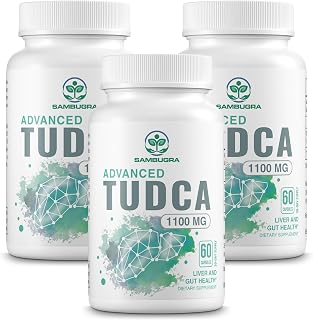
🛒 Where to Buy TUDCA
- BulkSupplements.com TUDCA CapsulesLab-tested / studied
capsules, 500 mg per capsule, 90 capsules — Third-party tested and made in a cGMP facility; one capsule per serving; higher per-capsule dose suits users targeting 500–1000 mg/day protocols - Nutricost TUDCA 250mg
capsules, 250 mg per capsule, 60 capsules — High-volume seller; non-GMO and gluten-free labeling; no third-party purity COA publicly posted, but consistent community reputation for accurate dosing - Double Wood Supplements TUDCA Bile Salts 500mg
capsules, 500 mg per capsule, 60 capsules — USA-manufactured; publishes basic COA on request; popular among biohacker community for reliable potency at accessible price point - Nutricost TUDCA Powder
powder, 25 g tub — Best cost-per-gram option for daily high-dose users; gluten-free, same material as their capsule line; requires a milligram-accurate scale for precise dosing
As an Amazon Associate we earn from qualifying purchases. TUDCA quality varies widely — always choose a product that publishes a third-party purity test (COA) confirming 98%+ tauroursodeoxycholic acid before buying.
A Note on the Evidence
All neuroprotective findings reviewed here come from cell culture and mouse studies; no large-scale human clinical trials in Parkinson’s disease patients have been published, and the translation of animal model results to human benefit cannot be assumed. TUDCA is contraindicated in bile duct obstruction and may interact with several medications; anyone with Parkinson’s disease, liver conditions, or who takes prescription drugs should consult a qualified physician before using TUDCA. This article is informational only and does not constitute medical advice.
Frequently Asked Questions
What is TUDCA and how does it differ from UDCA?
TUDCA (tauroursodeoxycholic acid) is the taurine-conjugated form of UDCA (ursodeoxycholic acid), a bile acid produced naturally in small quantities in the human body. The taurine conjugation increases TUDCA’s hydrophilicity and alters its absorption and cellular uptake compared to unconjugated UDCA. Both forms have been studied in neurodegeneration contexts [12], and some researchers use the terms interchangeably in reviews, though they are chemically distinct compounds.
Does TUDCA protect dopamine neurons in Parkinson's disease research?
In animal studies, yes. TUDCA prevented MPTP-induced dopaminergic cell death in mouse models [1] and improved motor symptoms in treated animals [2]. A 2022 study using a chronic model — considered closer to human disease progression — also found neuroprotective effects [3]. These are preclinical findings and do not confirm the same effect will occur in human patients.
How does TUDCA potentially protect neurons at a cellular level?
TUDCA is thought to inhibit the mitochondrial apoptosis pathway, reduce endoplasmic reticulum stress, and activate the Nrf2 transcription factor, which upregulates the cell’s own antioxidant defenses [4]. These actions collectively reduce the oxidative stress and protein misfolding burden that drives dopaminergic neuron death in Parkinson’s disease models.
Can TUDCA be combined with Parkinson's medications?
Animal research has explored combining TUDCA with Syndopa (levodopa/carbidopa), reporting that the combination protected both brain and gut dopaminergic neurons from MPTP toxicity more effectively than either agent alone [6]. Whether this translates to human benefit, and whether there are any interactions with standard Parkinson’s pharmacotherapy in patients, is not established. Anyone on Parkinson’s medications should consult a neurologist before adding any supplement.
Is there any human clinical trial evidence for TUDCA in Parkinson's disease?
Based on the evidence reviewed here, no large-scale randomized controlled trials in Parkinson’s disease patients have been published. The existing evidence base is preclinical — cell culture and rodent models. TUDCA has human safety and efficacy data in liver and cholestasis conditions, but that evidence does not transfer directly to a neurological indication.
Are there any safety concerns with TUDCA relevant to someone considering it?
TUDCA is contraindicated in bile duct obstruction and requires medical supervision in patients with existing gallbladder disease, cholangitis, or severe hepatic impairment. It may interact with bile acid sequestrants, cyclosporine, and certain lipid-lowering agents. In the context of Parkinson’s disease, where patients are often older and on multiple medications, a conversation with a physician before starting TUDCA is strongly advisable.
References
- Castro-Caldas M et al. Tauroursodeoxycholic acid prevents MPTP-induced dopaminergic cell death in a mouse model of Parkinson's disease. Molecular neurobiology (2012). PMID 22773138
- Rosa AI et al. Tauroursodeoxycholic Acid Improves Motor Symptoms in a Mouse Model of Parkinson's Disease. Molecular neurobiology (2018). PMID 29651747
- Cuevas E et al. Tauroursodeoxycholic acid (TUDCA) is neuroprotective in a chronic mouse model of Parkinson's disease. Nutritional neuroscience (2022). PMID 33345721
- Moreira S et al. Nrf2 activation by tauroursodeoxycholic acid in experimental models of Parkinson's disease. Experimental neurology (2017). PMID 28552716
- Shtilbans A et al. Combination of tauroursodeoxycholic acid, co-enzyme Q10 and creatine demonstrates additive neuroprotective effects in in-vitro models of Parkinson's disease. Frontiers in neuroscience (2024). PMID 39764390
- Rajan M et al. TUDCA combined with Syndopa protects the midbrain and gut from MPTP toxicity in a Parkinson's disease mouse model: Immunohistochemical evidence. Biomolecules & biomedicine (2025). PMID 40763215
- Mendes MO et al. Neurotoxic effects of MPTP on mouse cerebral cortex: Modulation of neuroinflammation as a neuroprotective strategy. Molecular and cellular neurosciences (2019). PMID 30771505
- Kaur N et al. Targeting Alpha-Synuclein Aggregation With Chemical Chaperone IP-045: An Approach to Parkinson's Disease Therapy. Drug development research (2026). PMID 42003184
- Greenamyre JT et al. Fruit flies, bile acids, and Parkinson disease: a mitochondrial connection?. Neurology (2015). PMID 26253445
- Jo DS et al. Peroxisomal dysfunction in neurodegenerative diseases. Archives of pharmacal research (2019). PMID 30739266
- Zhang S et al. Mitochondria-targeted nanovesicles for ursodeoxycholic acid delivery to combat neurodegeneration by ameliorating mitochondrial dysfunction. Journal of nanobiotechnology (2025). PMID 40069803
- Razavi SM et al. The effects of ursodeoxycholic acid on Parkinson's disease, a mechanistic review of the recent evidence. Metabolic brain disease (2025). PMID 39891787
- Payne T et al. A Double-Blind, Randomized, Placebo-Controlled Trial of Ursodeoxycholic Acid (UDCA) in Parkinson's Disease. Movement disorders (2023). PMID 37246815
These statements have not been evaluated by the Food and Drug Administration. This information is not intended to diagnose, treat, cure, or prevent any disease. Content is for informational purposes only and is not medical advice; consult a qualified healthcare provider before starting any supplement. As an Amazon Associate we earn from qualifying purchases.