- In a placebo-controlled trial of 2 g a day in people with progressive multiple sclerosis, adverse events were about as common on TUDCA as on placebo (38% vs 33% of participants), but most TUDCA-arm events were digestive, and diarrhea occurred in 3 of 26 TUDCA participants and none on placebo[1]
- That trial recorded one serious event, cholangitis (bile duct inflammation) needing a hospital stay; the safety board judged it unlikely to be caused by TUDCA because the patient had existing bile duct and gallbladder disease[1]
- Diarrhea is the complaint that recurs across trials, from a 500 to 1,500 mg liver-disease dose study to an ALS trial at 2 g a day where it was as common on placebo[2][3]
- TUDCA is not an FDA-approved drug in the US, and an FDA import alert lists bulk TUDCA from one Chinese supplier[4][5]
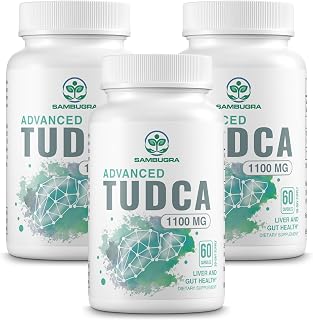
TUDCA (tauroursodeoxycholic acid) is marketed heavily for liver support and cellular stress protection. Negative reviews mostly describe digestive upset. This page separates what clinical trials measured from what consumer health sites report, because the two are different kinds of evidence and the trial populations were people with liver or neurological disease, not healthy supplement users.
GI Complaints Are the Dominant Theme
The clearest placebo-controlled data come from a 16-week trial in people with progressive multiple sclerosis: 26 took 1,000 mg of TUDCA twice daily and 21 took placebo. Digestive events made up most of the adverse events in the TUDCA group, including nausea or vomiting, diarrhea, indigestion or reflux, and abdominal pain or cramps[1]. Diarrhea was the most common, in three TUDCA participants and no one on placebo, while the placebo group had four digestive events of its own[1].
That is a small trial in a specific patient group taking a high dose, so it shows which complaints to expect rather than how often a typical user will have them.
What the Dose Data Do and Do Not Show
An Italian dose-comparison study gave 24 people with primary biliary cirrhosis 500, 1,000 or 1,500 mg of TUDCA daily for six months, and diarrhea was the only side effect reported[2]. The study abstract does not say which dose groups it occurred in; a supplement review site attributes it to the 1,000 to 1,500 mg range[4]. In an ALS trial at 1 g twice daily, mild diarrhea occurred in 2 of 15 people on TUDCA and 2 of 14 on placebo[3].
At a lower dose, a 24-week trial gave 199 people with primary biliary cholangitis 750 mg a day of TUDCA or of its parent drug UDCA. Investigators judged only 3.1% of TUDCA patients to have a drug-related event (one case of diarrhea, two of itching, one rash, one of painful periods), and no serious adverse events occurred[6]. A consumer health site advises that larger doses may bring more side effects and that persistent diarrhea or abdominal pain can signal a dose that is too high[7].
Put together, digestive complaints are reported more often in the higher-dose studies, but these trials enrolled different patients, and none of those cited here compares doses head to head for side effects. Treat any precise dose threshold you see quoted with caution, and if you try TUDCA, the dosage guide is a better starting point than the highest dose on a label.
A Documented Serious Case
In the multiple sclerosis trial, one participant on TUDCA developed cholangitis (bile duct inflammation) and was hospitalized. It resolved without lasting effects. The trial’s data and safety monitoring board, which included a hepatologist, judged it unlikely to be related to the supplement, because imaging showed long-standing bile duct abnormalities and liver scarring, and a gallbladder scan suggested chronic gallbladder inflammation[1]. No serious events occurred in the placebo group[1].
The case does not show that TUDCA caused the problem. It is a reason for anyone with known bile duct, gallbladder or advanced liver disease to use TUDCA only with a clinician involved.

Headaches, Mood Changes and Skin Reactions
Consumer health writing mentions headaches and minor mood changes such as irritability, describing them as relatively rare[7]. None of the trials cited here names headache or mood change among the adverse events described in its text. Skin reactions do appear: the liver-disease trial counted two cases of itching and one rash as drug-related on TUDCA[6], and the multiple sclerosis trial recorded one facial rash on TUDCA[1].
Regulatory and Sourcing Concerns
Unlike its parent compound UDCA (ursodiol), which is approved for primary biliary cirrhosis, TUDCA is not an FDA-approved medication in the US; it is sold as a supplement, and supplements are not reviewed for safety or effectiveness before sale[4].
The FDA also lists TUDCA from a Shanghai supplier, added in 2009, on Import Alert 66-66. That alert covers bulk active pharmaceutical ingredients that appear to be misbranded because their labeling does not meet the exemption rules, and listed shipments can be detained without physical examination[5]. It is a labeling and regulatory action rather than a contamination finding, but it is a reminder that bulk powder from unvetted suppliers sits outside the checks applied to drugs.
The Balancing Data Point
Adverse events were reported by 38% of TUDCA participants and 33% of placebo participants in the multiple sclerosis trial[1]. In the ALS trial, investigators judged two events among 15 TUDCA patients (13.3%) and three among 14 placebo patients (21.4%) to be study-related[3]. Against UDCA, adverse event rates were 44% and 40%, and most were judged unrelated to either drug[6]. Background symptoms account for many complaints in every group, which is worth remembering when reading individual reviews.
One consumer health site adds that TUDCA is similar to a bile acid the body already makes, which it offers as a reason many people tolerate it[7].
FAQ
What TUDCA dose causes the most side effects?
No trial cited here pins down a threshold. Diarrhea was the only side effect in a 500 to 1,500 mg dose study, and the clearest diarrhea signal against placebo came at 2,000 mg a day[2][1].

Can TUDCA cause serious liver or bile duct problems?
One trial recorded a case of cholangitis, which its safety board judged unlikely to be caused by TUDCA because the patient had existing biliary disease. Anyone with bile duct or gallbladder disease should involve a clinician before taking it[1].
Is TUDCA FDA-approved?
No. It is sold as a supplement, and an FDA import alert lists bulk TUDCA from one Chinese supplier as an apparently misbranded ingredient[4][5].

References
- Ladakis DC et al. Bile acid metabolites predict multiple sclerosis progression and supplementation is safe in progressive disease. Med (2025). PMID 39447576
- Crosignani A et al. Tauroursodeoxycholic acid for treatment of primary biliary cirrhosis. A dose-response study. Digestive Diseases and Sciences (1996). PMID 8674405
- Elia AE et al. Tauroursodeoxycholic acid in the treatment of patients with amyotrophic lateral sclerosis. European Journal of Neurology (2016). PMID 25664595
- SelfDecode. TUDCA Potential Uses, Side Effects & Reviews. supplements.selfdecode.com/blog/tudca-benefits/
- U.S. Food and Drug Administration. Import Alert 66-66: APIs That Appear To Be Misbranded Under 502(f)(1). accessdata.fda.gov
- Ma H et al. A multicenter, randomized, double-blind trial comparing the efficacy and safety of TUDCA and UDCA in Chinese patients with primary biliary cholangitis. Medicine (Baltimore) (2016). PMID 27893675
- Your Health Magazine. Exploring the Potential Side Effects of TUDCA for Your Health. yourhealthmagazine.net
These statements have not been evaluated by the Food and Drug Administration. This information is not intended to diagnose, treat, cure, or prevent any disease. Content is for informational purposes only and is not medical advice; consult a qualified healthcare provider before starting any supplement. As an Amazon Associate we earn from qualifying purchases.