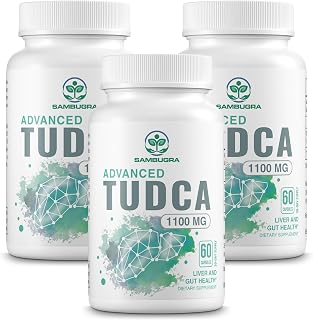
Metabolic syndrome — the cluster of abdominal obesity, elevated blood sugar, abnormal lipids, and high blood pressure — is now recognized as a convergence of several cellular failures, not simply a problem of excess calories. Researchers investigating its root causes have increasingly focused on endoplasmic reticulum (ER) stress, a cellular state that becomes chronically activated in the liver and fat tissue of obese individuals and that actively disrupts insulin signaling. Tauroursodeoxycholic acid (TUDCA), a hydrophilic bile acid with well-documented chemical chaperone activity, has attracted scientific interest for its ability to reduce ER stress and, potentially, some of the downstream metabolic dysfunction that obesity produces.
This article reviews what the available evidence actually shows about TUDCA and obesity-related metabolic syndrome. The picture is genuinely interesting but still incomplete: mechanistic work in cells and animals is substantial, a single human randomized trial provides cautiously encouraging data on insulin sensitivity, and large-scale randomized controlled trials in people with metabolic syndrome have not yet been conducted. Understanding both what the science supports and where it remains preliminary is essential before drawing firm conclusions.
Key Takeaways
- Obesity drives chronic ER stress in liver and adipose tissue that promotes inflammation and insulin resistance — TUDCA acts as a chemical chaperone that can reduce this ER stress burden at the cellular level.
- The only human RCT found TUDCA improved liver and skeletal muscle insulin sensitivity in obese adults, but did not significantly improve adipose tissue insulin sensitivity [1].
- Cell studies suggest TUDCA may modulate fat cell differentiation and lipid accumulation via ER stress pathways [2], but these effects have not been confirmed in human trials.
- Bile acid signaling through the TGR5 receptor represents a second mechanism by which TUDCA may influence metabolic function, though direct supplementation evidence for this pathway in humans is absent [3].
- Large-scale randomized controlled trials in humans with obesity or metabolic syndrome have not been conducted; current evidence is promising but preliminary outside established cholestasis indications.
Why ER Stress Sits at the Center of Obesity-Driven Metabolic Dysfunction
The endoplasmic reticulum is the cellular organelle responsible for correctly folding newly synthesized proteins. When chronic nutrient overload and lipid excess push cells beyond their processing capacity — as occurs persistently in obesity — misfolded proteins accumulate and trigger a distress response called the unfolded protein response (UPR). Research has shown that obesity-induced ER stress causes chronic low-grade inflammation specifically within adipose tissue, and that this inflammatory state is not a passive consequence but actively disrupts normal fat cell function [4].
Free fatty acids, which are chronically elevated in obesity, compound this process. In adipocytes, free fatty acid overload simultaneously activates ER stress pathways and IKKβ, a kinase that drives inflammatory gene expression and directly impairs insulin receptor signaling [5]. The result is a self-reinforcing cycle: expanding fat tissue drives ER stress, which drives inflammation, which worsens insulin resistance, which promotes further metabolic deterioration. Interrupting this cycle at the ER stress step is therefore a mechanistically grounded therapeutic goal.
TUDCA as a Chemical Chaperone: The Core Proposed Mechanism
Chemical chaperones are small molecules that assist correct protein folding within the ER, thereby reducing the accumulation of misfolded proteins that triggers the UPR. TUDCA is the most studied bile acid with this property. A comprehensive review of TUDCA’s molecular and cellular effects found that it can attenuate multiple arms of ER stress signaling, inhibit the mitochondrial apoptosis pathway activated by ER overload, and help stabilize protein conformation under stress conditions [6]. These properties make TUDCA mechanistically plausible as a metabolic intervention, though demonstrating a mechanism in cell culture is not the same as confirming a therapeutic effect in humans.
A 2023 review examined available evidence specifically through the lens of adiposity and concluded that TUDCA shows potential as a therapy against excess fat accumulation by targeting ER stress pathways within adipose tissue [7]. The authors noted that TUDCA’s chaperoning effects may influence how fat cells develop, accumulate lipids, and respond to inflammatory signals — while being explicit that human clinical confirmation beyond a single trial remains limited.

TUDCA and Insulin Sensitivity: The Key Human Clinical Evidence
The most direct human evidence for TUDCA in obesity comes from a randomized controlled trial published in Diabetes [1]. Obese men and women received TUDCA supplementation for several weeks. The results were meaningful but tissue-specific: TUDCA significantly improved insulin sensitivity in the liver and skeletal muscle — two tissues that account for a large share of systemic glucose disposal — but did not produce a statistically significant improvement in insulin sensitivity in adipose tissue itself.
This tissue-specific pattern matters for setting realistic expectations. Improved hepatic and muscle insulin sensitivity would be clinically relevant for people with metabolic syndrome, since insulin resistance in these tissues is a primary driver of elevated blood glucose and cardiovascular risk. The null result in adipose tissue suggests TUDCA’s benefits are not uniform across the body, and that fat tissue may respond differently or require additional interventions. The trial was relatively small and short in duration, and its results should be considered hypothesis-generating rather than definitive.
TUDCA's Influence on Fat Cell Development and Adipogenesis
Researchers have also asked whether TUDCA affects how fat cells form in the first place. A study using human adipose-derived stem cells found that TUDCA modulated adipogenesis — the differentiation of precursor cells into mature fat cells — through regulation of ER stress [2]. When ER stress was experimentally induced in these cells, normal differentiation was disrupted; TUDCA’s chaperone activity counteracted this disruption and altered downstream lipid accumulation patterns in the developing fat cells.
Gene expression profiling of adipose tissue in obese mice revealed broad dysregulation of pathways related to lipid metabolism, cellular stress responses, and inflammatory signaling [8]. While that study did not directly test TUDCA, it underscored how deeply ER stress-related gene networks are disturbed in obese fat tissue — precisely the networks TUDCA is proposed to normalize. These cell and animal findings are mechanistically coherent, but direct evidence that TUDCA influences adipogenesis in living humans has not yet been produced.
TGR5 Signaling: A Second Pathway Linking TUDCA to Metabolic Outcomes
TUDCA’s metabolic relevance extends beyond its chaperone function. Bile acids, including TUDCA, act as signaling molecules that activate cellular receptors, including TGR5 — a G protein-coupled receptor expressed in brown adipose tissue, intestinal cells, and immune cells. TGR5 activation raises intracellular cAMP and activates protein kinase A (PKA), a cascade associated with increased energy expenditure and favorable metabolic effects.
A 2025 study investigating fucoidan extracted from Sargassum fusiforme found that this compound improved obesity-related metabolic dysfunction in mice partly by elevating endogenous TUDCA levels, which then activated TGR5-cAMP-PKA signaling [3]. The finding is notable because it used endogenous TUDCA as an intermediary rather than direct supplementation, suggesting that the TUDCA present in bile acid pools can have meaningful downstream metabolic consequences via receptor signaling — a pathway potentially relevant to exogenous supplementation as well, though this link requires further investigation.

TUDCA, Fatty Liver, and the Metabolic Syndrome Overlap
Non-alcoholic fatty liver disease and its inflammatory progression to metabolic-associated steatohepatitis (MASH) are closely linked to obesity and metabolic syndrome. ER stress in liver cells is a recognized driver of hepatic fat accumulation and liver injury, and reducing it is considered a meaningful therapeutic target in steatohepatitis pathogenesis [9]. Disruptions in cholesterol and bile acid metabolism have further been identified as contributors to MASH progression [10], positioning TUDCA — a bile acid that promotes healthy bile flow and reduces hepatocyte apoptosis — as mechanistically relevant to this overlap.

Research on protecting liver cells from lipotoxic injury has found that reducing both ER stress and oxidative stress in hepatocytes can protect against cell death induced by palmitate and toxic bile acids [11]. TUDCA addresses several of these mechanisms simultaneously through its chaperone activity, choleretic effects, and anti-apoptotic properties [6]. The human trial’s finding that liver insulin sensitivity showed the strongest response to TUDCA [1] is consistent with this hepatocellular biology.
🛒 Where to Buy TUDCA
- BulkSupplements.com TUDCA CapsulesLab-tested / studied
capsules, 500 mg per capsule, 90 capsules — Third-party tested and made in a cGMP facility; one capsule per serving; higher per-capsule dose suits users targeting 500–1000 mg/day protocols - Nutricost TUDCA 250mg
capsules, 250 mg per capsule, 60 capsules — High-volume seller; non-GMO and gluten-free labeling; no third-party purity COA publicly posted, but consistent community reputation for accurate dosing - Double Wood Supplements TUDCA Bile Salts 500mg
capsules, 500 mg per capsule, 60 capsules — USA-manufactured; publishes basic COA on request; popular among biohacker community for reliable potency at accessible price point - Nutricost TUDCA Powder
powder, 25 g tub — Best cost-per-gram option for daily high-dose users; gluten-free, same material as their capsule line; requires a milligram-accurate scale for precise dosing
As an Amazon Associate we earn from qualifying purchases. TUDCA quality varies widely — always choose a product that publishes a third-party purity test (COA) confirming 98%+ tauroursodeoxycholic acid before buying.
A Note on the Evidence
The human evidence for TUDCA in obesity and metabolic syndrome currently rests on a single small randomized trial [1], with most mechanistic data from cell culture and animal models; large-scale RCTs confirming safety and efficacy in humans have not been conducted for these indications. This article is informational only and does not constitute medical advice — consult a qualified healthcare provider before considering TUDCA supplementation, particularly if you have liver disease, gallbladder conditions, or take medications that affect bile acid metabolism.
Frequently Asked Questions
Does TUDCA cause weight loss?
No clinical trial has demonstrated TUDCA as a weight loss agent. The available human RCT measured insulin sensitivity rather than body weight [1]. Animal research suggests bile acid signaling via TGR5 can influence energy metabolism [3], but this has not been tested in controlled human weight loss studies. Treating TUDCA as a fat-loss supplement is not supported by current evidence.
How does TUDCA affect insulin resistance in obese individuals?
A randomized trial in obese men and women found TUDCA supplementation improved insulin sensitivity in the liver and skeletal muscle but did not significantly change insulin sensitivity in adipose tissue [1]. The proposed mechanism is that TUDCA reduces ER stress in these tissues, which in obesity chronically activates inflammatory pathways — including IKKβ — that interfere with insulin receptor signaling [5].
What is the connection between ER stress and metabolic syndrome?
In obesity, nutrient overload and excess free fatty acids push the endoplasmic reticulum beyond its protein-folding capacity, triggering chronic ER stress. This activates inflammatory kinases and cytokines that directly impair insulin signaling in fat cells, liver, and muscle [5]. The chronic low-grade inflammation in adipose tissue that results is now recognized as a key mechanism driving the full metabolic syndrome picture [4].
Can TUDCA affect how fat cells develop?
Cell research using human adipose-derived stem cells found that TUDCA modulated adipogenesis by counteracting ER stress-induced disruptions to the differentiation process [2]. This suggests TUDCA could influence fat cell formation at a molecular level, but this effect has not been studied in human clinical trials. Whether it translates to meaningful changes in fat tissue in living people with obesity remains unknown.
Is TUDCA relevant to fatty liver disease in the context of metabolic syndrome?
Yes — and this is the area with the strongest mechanistic rationale. ER stress in hepatocytes contributes to fat accumulation and progression to steatohepatitis [9], bile acid metabolism disruptions worsen MASH [10], and TUDCA’s chaperone, choleretic, and anti-apoptotic properties address several of these mechanisms simultaneously [6]. The human trial also found the strongest insulin-sensitizing effect in liver tissue [1].
Who should be cautious about TUDCA?
TUDCA is contraindicated in bile duct obstruction. Individuals with gallbladder disease, cholangitis, or severe hepatic impairment should only consider it under medical supervision. TUDCA may interact with bile acid sequestrants, cyclosporine, and certain lipid-lowering agents. Anyone with existing liver or gallbladder conditions, or who takes medications in these categories, should consult a physician before use.
References
- Kars M et al. Tauroursodeoxycholic Acid may improve liver and muscle but not adipose tissue insulin sensitivity in obese men and women. Diabetes (2010). PMID 20522594
- Cha BH et al. The role of tauroursodeoxycholic acid on adipogenesis of human adipose-derived stem cells by modulation of ER stress. Biomaterials (2014). PMID 24424209
- Lin H et al. Sargassum fusiforme Fucoidan Ameliorates Obesity-Associated Metabolic Dysfunction via a Tauroursodeoxycholic Acid-Mediated TGR5-cAMP-PKA Signaling Pathway. Journal of agricultural and food chemistry (2025). PMID 40758868
- Kawasaki N et al. Obesity-induced endoplasmic reticulum stress causes chronic inflammation in adipose tissue. Scientific reports (2012). PMID 23150771
- Jiao P et al. FFA-induced adipocyte inflammation and insulin resistance: involvement of ER stress and IKKβ pathways. Obesity (Silver Spring, Md.) (2011). PMID 20829802
- Kusaczuk M et al. Tauroursodeoxycholate-Bile Acid with Chaperoning Activity: Molecular and Cellular Effects and Therapeutic Perspectives. Cells (2019). PMID 31757001
- Freitas IN et al. Insights by which TUDCA is a potential therapy against adiposity. Frontiers in endocrinology (2023). PMID 36896173
- Suzuki M et al. Comparative Analysis of Gene Expression Profiles in the Adipose Tissue of Obese Adult Mice With Rapid Infantile Growth After Undernourishment In Utero. Frontiers in endocrinology (2022). PMID 35295992
- Lee KC et al. Pathogenesis and treatment of non-alcoholic steatohepatitis and its fibrosis. Clinical and molecular hepatology (2023). PMID 36226471
- Gao P et al. Oroxin A in Linggui Zhugan Decoction in the treatment of MASH by regulating cholesterol-bile acid metabolism. Journal of ethnopharmacology (2026). PMID 42061563
- Wu Z et al. Scopoletin and umbelliferone protect hepatocytes against palmitate- and bile acid-induced cell death by reducing endoplasmic reticulum stress and oxidative stress. Toxicology and applied pharmacology (2022). PMID 34979142
These statements have not been evaluated by the Food and Drug Administration. This information is not intended to diagnose, treat, cure, or prevent any disease. Content is for informational purposes only and is not medical advice; consult a qualified healthcare provider before starting any supplement. As an Amazon Associate we earn from qualifying purchases.