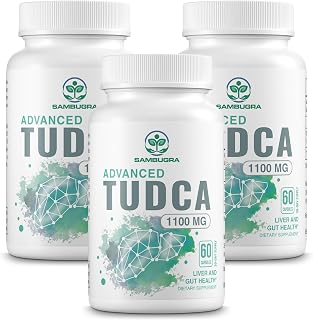
TUDCA (tauroursodeoxycholic acid) is a hydrophilic bile acid derivative that has attracted serious scientific attention for one specific cellular property: its ability to act as a chemical chaperone. Chemical chaperones stabilize misfolded proteins inside the endoplasmic reticulum (ER), reducing a form of cellular stress that has emerged as a central mechanism in the development of insulin resistance and type 2 diabetes. This is not a peripheral or speculative connection — the link between ER stress and impaired insulin signaling has been documented across liver, muscle, and adipose tissue in multiple research models.
This article reviews the current evidence on TUDCA’s relationship to insulin resistance and glucose metabolism, drawing exclusively on published research. The evidence base is real and mechanistically coherent, but it is also largely preclinical: most studies are conducted in rodents, and robust human randomized controlled trials in people with insulin resistance or type 2 diabetes remain limited. What follows is an honest account of what the science shows, where the gaps are, and what it means for anyone considering TUDCA as a metabolic support tool.
Key Takeaways
- Endoplasmic reticulum stress in liver, muscle, and adipose tissue is a well-documented driver of insulin resistance, and TUDCA directly reduces ER stress as a chemical chaperone [1].
- Multiple animal studies show TUDCA improves glucose tolerance and reduces adiposity in high-fat diet and diabetic models, with effects observed across different nutritional states [2][3].
- Bile acid metabolism and insulin resistance are bidirectionally linked; TUDCA’s hydrophilic profile may offer protective effects within this system, particularly in the setting of metabolic liver disease [4].
- Vascular benefits — reduced arterial stiffness, improved endothelial function — have been observed in diabetic mouse models, pointing to cardiovascular relevance beyond glycemic control alone [5].
- Human RCT data specifically targeting insulin resistance or type 2 diabetes with TUDCA are currently limited; the evidence base, while mechanistically strong, is predominantly preclinical.
Endoplasmic Reticulum Stress: The Cellular Mechanism Connecting Obesity to Insulin Resistance
The endoplasmic reticulum is the cellular organelle responsible for protein folding and lipid metabolism. When it is overwhelmed — by nutrient overload, chronic inflammation, or lipid accumulation — it triggers an unfolded protein response (UPR). In the short term, the UPR is protective. When it becomes chronic, it activates signaling pathways that directly interfere with insulin receptor function, producing peripheral insulin resistance in the tissues that matter most for glucose control.
Two lines of research illustrate the causal role of ER stress clearly. Obesity-induced ER stress has been shown to produce chronic inflammation in adipose tissue [6], connecting excess fat accumulation to the inflammatory state that underlies metabolic dysfunction. Separately, hyperhomocysteinemia — elevated circulating homocysteine — was found to promote insulin resistance specifically by inducing ER stress in adipose tissue [7], demonstrating that multiple upstream triggers converge on the same ER stress pathway to impair insulin signaling.
A landmark study published in Science provided the most direct mechanistic evidence for TUDCA’s relevance here: treatment of obese, insulin-resistant mice with TUDCA reduced ER stress markers in liver and adipose tissue and restored glucose homeostasis — effects comparable in magnitude to established pharmacological interventions [1]. This study established the proof-of-concept that chemically stabilizing ER function translates into measurable metabolic improvement.
Animal Model Evidence: Glucose Tolerance, Fat Accumulation, and Diabetes Models
Beyond the foundational ER stress work, multiple rodent studies have asked whether TUDCA supplementation produces tangible metabolic improvements under conditions that model human type 2 diabetes and obesity. In mice fed a high-fat diet, TUDCA improved glucose tolerance and reduced adiposity — a finding that held in both normal-protein and malnourished nutritional conditions [2]. The parallel improvement in body fat suggests TUDCA’s metabolic effects are not limited to direct insulin receptor signaling but may involve broader changes in energy storage and lipid handling.

In a streptozotocin-induced Alzheimer’s disease mouse model — a model carrying significant metabolic disruption alongside neurodegeneration — TUDCA was found to improve glucose metabolism [3]. While this disease context is specific, the finding extends TUDCA’s apparent metabolic benefit to conditions of compounded systemic stress, where multiple organ systems are simultaneously compromised.

Earlier developmental research showed that TUDCA could reverse glucose intolerance in rat offspring exposed to ethanol before birth, an effect linked to reduced nuclear skeletal muscle HDAC expression [8]. This epigenetic angle is notable because it suggests TUDCA may influence glucose metabolism through mechanisms that go beyond ER chaperoning — touching chromatin-level regulation of metabolic gene expression in muscle tissue.
Bile Acid Biology and the Bidirectional Relationship with Insulin Resistance
TUDCA exists within a broader system of bile acid metabolism that is itself deeply linked to metabolic health. Plasma bile acid levels are elevated in non-alcoholic steatohepatitis (NASH), and research has shown these elevations depend on the degree of insulin resistance present [4]. This bidirectional relationship matters for interpreting TUDCA’s role: disrupted bile acid signaling can worsen insulin resistance, and insulin resistance in turn distorts bile acid profiles — creating a feedback loop that TUDCA may help interrupt.
As a hydrophilic bile acid, TUDCA may counterbalance more cytotoxic hydrophobic bile acids that accumulate under metabolic liver stress. Its choleretic properties — promoting bile flow from the liver — may improve hepatic lipid clearance, removing one upstream driver of hepatic ER stress. This is mechanistically plausible, though direct evidence for this specific pathway in insulin resistance contexts remains limited.
Vascular Effects in Diabetic Models: Beyond Glucose Control
Insulin resistance rarely presents in isolation from vascular disease. Endothelial dysfunction and arterial stiffness are early, measurable signs of cardiovascular risk in type 2 diabetes, and ER stress has been identified as a contributor to both. In type 2 diabetic mice, TUDCA treatment reduced arterial stiffness and improved markers of endothelial dysfunction [5] — findings that extend the potential benefit of ER stress reduction beyond glucose metabolism into the vascular system.
Supporting this, inhibition of ER stress was shown to ameliorate cardiovascular injury in a rat model of metabolic syndrome [9]. These convergent findings suggest that the metabolic benefits of TUDCA in rodent models are not limited to glycemic improvement but propagate into the cardiovascular complications that make type 2 diabetes so clinically serious. Whether this extends to human cardiovascular outcomes remains unstudied in direct TUDCA trials.
Developmental Programming: How Maternal Metabolic Stress Sets Lifetime Risk
An underexplored dimension of insulin resistance involves metabolic programming during early development. Maternal obesity-induced ER stress has been shown to cause metabolic alterations and abnormal hypothalamic development in offspring [10]. The hypothalamus governs energy homeostasis and plays a direct role in systemic insulin sensitivity — its disruption during critical developmental windows can establish lifelong metabolic vulnerability.

While this research did not test TUDCA as an intervention in the developmental context, it reinforces the mechanistic logic: ER stress at formative stages may hard-wire metabolic dysfunction that persists into adulthood. Agents that reduce ER stress could theoretically interrupt this programming, but this remains speculative and has not been directly investigated with TUDCA in developmental models.
The Gaps: What the Evidence Cannot Yet Tell Us
The mechanistic case for TUDCA in insulin resistance is built on a coherent foundation: ER stress drives insulin resistance, TUDCA reduces ER stress, and multiple rodent studies show downstream metabolic improvement. But the pathway from rodent model to human clinical recommendation has significant gaps. Most studies use either high-fat diet-induced obesity or streptozotocin injection to create diabetic conditions — neither perfectly recapitulates the polygenic, multifactorial nature of human type 2 diabetes. Effective doses in mice often require substantial adjustment to estimate human equivalents, and those estimates are not directly validated.
Large-scale randomized controlled trials of TUDCA specifically targeting insulin resistance or type 2 diabetes in humans are absent from the current literature. TUDCA has established clinical evidence in cholestatic liver diseases and has been investigated in ALS and retinal degeneration, but metabolic applications in otherwise healthy insulin-resistant adults remain early-stage. The metabolic environment is also highly interactive: gut microbiota composition influences bile acid metabolism, and research shows that dietary factors such as resistant starch reshape the microbiota in ways that affect metabolic outcomes [11]. This means TUDCA’s effects would not occur independently of diet and microbiome context — factors rarely controlled for in the rodent studies available.
🛒 Where to Buy TUDCA
- BulkSupplements.com TUDCA CapsulesLab-tested / studied
capsules, 500 mg per capsule, 90 capsules — Third-party tested and made in a cGMP facility; one capsule per serving; higher per-capsule dose suits users targeting 500–1000 mg/day protocols - Nutricost TUDCA 250mg
capsules, 250 mg per capsule, 60 capsules — High-volume seller; non-GMO and gluten-free labeling; no third-party purity COA publicly posted, but consistent community reputation for accurate dosing - Double Wood Supplements TUDCA Bile Salts 500mg
capsules, 500 mg per capsule, 60 capsules — USA-manufactured; publishes basic COA on request; popular among biohacker community for reliable potency at accessible price point - Nutricost TUDCA Powder
powder, 25 g tub — Best cost-per-gram option for daily high-dose users; gluten-free, same material as their capsule line; requires a milligram-accurate scale for precise dosing
As an Amazon Associate we earn from qualifying purchases. TUDCA quality varies widely — always choose a product that publishes a third-party purity test (COA) confirming 98%+ tauroursodeoxycholic acid before buying.
A Note on the Evidence
The metabolic evidence for TUDCA is primarily derived from rodent studies; large-scale human randomized controlled trials specifically addressing insulin resistance or type 2 diabetes are absent, so the full human benefit profile and optimal dosing remain unknown. TUDCA is contraindicated in bile duct obstruction and requires medical supervision in individuals with gallbladder disease, cholangitis, severe hepatic impairment, or those taking cyclosporine, bile acid sequestrants, or lipid-lowering medications — consult a qualified healthcare provider before use.
Frequently Asked Questions
How does TUDCA reduce insulin resistance at the cellular level?
TUDCA acts as a chemical chaperone, stabilizing misfolded proteins in the endoplasmic reticulum and reducing chronic ER stress. When ER stress is relieved, the inflammatory and kinase signaling cascades that block insulin receptor function are attenuated. A landmark animal study showed this mechanism restoring glucose homeostasis in obese diabetic mice [1], and adipose tissue research confirms ER stress is a causal driver of insulin resistance in fat cells [7].
Has TUDCA been tested in humans with type 2 diabetes or insulin resistance?
Direct, large-scale human RCTs for TUDCA in type 2 diabetes or insulin resistance are currently lacking. TUDCA has established clinical use in cholestatic liver disease and has been studied in ALS, but its metabolic applications in humans are not yet supported by robust controlled trial data. The existing evidence is largely from animal models, which, while mechanistically informative, cannot be directly extrapolated to human dosing or outcomes.
What is the connection between bile acids and insulin resistance?
Bile acid metabolism and insulin resistance are bidirectionally related. Research in NASH patients found that elevated plasma bile acid levels depend on the degree of insulin resistance present [4], suggesting that metabolic dysfunction alters bile acid profiles and vice versa. TUDCA, as a hydrophilic bile acid, may help counterbalance more cytotoxic hydrophobic bile acids that accumulate in metabolic liver disease, potentially breaking part of this feedback loop.
Does TUDCA affect blood vessels as well as blood sugar?
In type 2 diabetic mice, TUDCA reduced arterial stiffness and improved endothelial dysfunction [5]. Separately, inhibition of ER stress ameliorated cardiovascular injury in a metabolic syndrome rat model [9]. These findings suggest the cellular benefits of TUDCA may extend from glycemic control into vascular health, which is clinically significant given that cardiovascular disease is the primary cause of mortality in type 2 diabetes. Human vascular data with TUDCA are not yet available.
Can TUDCA be used alongside diabetes medications?
This is a question for a prescribing physician. TUDCA may interact with bile acid sequestrants (such as cholestyramine), cyclosporine, and potentially certain lipid-lowering agents by altering bile acid dynamics. If you are taking any medications for diabetes, cholesterol, or liver disease, a healthcare provider should review potential interactions before adding TUDCA. It is not a substitute for prescribed diabetes management.
Are there any people who should avoid TUDCA entirely?
TUDCA is contraindicated in patients with bile duct obstruction, as promoting bile flow into a blocked duct can cause serious harm. Medical supervision is warranted in patients with gallbladder disease, cholangitis, or severe hepatic impairment. Pregnant or breastfeeding individuals should avoid use due to insufficient safety data. Anyone with a diagnosed liver condition or taking hepatically metabolized medications should consult a physician before use.
References
- Ozcan U et al. Chemical chaperones reduce ER stress and restore glucose homeostasis in a mouse model of type 2 diabetes. Science (New York, N.Y.) (2006). PMID 16931765
- Dos Reis Araujo T et al. Tauroursodeoxycholic acid improves glucose tolerance and reduces adiposity in normal protein and malnourished mice fed a high-fat diet. Food research international (Ottawa, Ont.) (2022). PMID 35651081
- Zangerolamo L et al. The bile acid TUDCA improves glucose metabolism in streptozotocin-induced Alzheimer's disease mice model. Molecular and cellular endocrinology (2021). PMID 33321116
- Grzych G et al. NASH-related increases in plasma bile acid levels depend on insulin resistance. JHEP reports : innovation in hepatology (2021). PMID 33615207
- Battson ML et al. Tauroursodeoxycholic Acid Reduces Arterial Stiffness and Improves Endothelial Dysfunction in Type 2 Diabetic Mice. Journal of vascular research (2017). PMID 28930750
- Kawasaki N et al. Obesity-induced endoplasmic reticulum stress causes chronic inflammation in adipose tissue. Scientific reports (2012). PMID 23150771
- Li Y et al. Hyperhomocysteinemia promotes insulin resistance by inducing endoplasmic reticulum stress in adipose tissue. The Journal of biological chemistry (2013). PMID 23417716
- Yao XH et al. Reversal of glucose intolerance in rat offspring exposed to ethanol before birth through reduction of nuclear skeletal muscle HDAC expression by the bile acid TUDCA. Physiological reports (2014). PMID 25538147
- Radwan E et al. Inhibition of endoplasmic reticulum stress ameliorates cardiovascular injury in a rat model of metabolic syndrome. Journal of molecular and cellular cardiology (2020). PMID 32311415
- Park S et al. Maternal obesity-induced endoplasmic reticulum stress causes metabolic alterations and abnormal hypothalamic development in the offspring. PLoS biology (2020). PMID 32163401
- Li H et al. Resistant starch intake facilitates weight loss in humans by reshaping the gut microbiota. Nature metabolism (2024). PMID 38409604
These statements have not been evaluated by the Food and Drug Administration. This information is not intended to diagnose, treat, cure, or prevent any disease. Content is for informational purposes only and is not medical advice; consult a qualified healthcare provider before starting any supplement. As an Amazon Associate we earn from qualifying purchases.