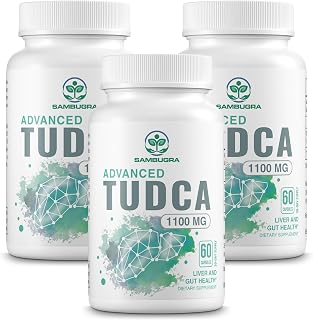
Tauroursodeoxycholic acid, abbreviated TUDCA, is a naturally occurring bile acid found in trace amounts in human bile and in higher concentrations in bear bile. Its story stretches back more than two thousand years, beginning in the traditional medicine systems of East Asia, where bear bile was prized for a remarkable range of therapeutic applications. Long before any chemist isolated a single active compound, practitioners catalogued clinical observations suggesting that bile from hibernating bears possessed unusual potency.
The modern chapter of TUDCA’s history is defined by chemistry and pharmacology: the isolation of ursodeoxycholic acid (UDCA) from bear bile in the early twentieth century, the subsequent synthesis and taurine conjugation that produces TUDCA, and a decades-long research arc that moved from gallstone dissolution toward hepatoprotection, neuroprotection, and metabolic health. Understanding this arc matters to anyone evaluating TUDCA as a supplement, because it clarifies what the evidence actually supports and where significant gaps remain.
Key Takeaways
- TUDCA is a taurine-conjugated bile acid first documented in bear bile and used in East Asian traditional medicine for over two thousand years before its chemical isolation in 1927.
- Pharmaceutical-grade TUDCA is now produced entirely by chemical synthesis, making bear bile extraction unnecessary and ethically obsolete for the supplement supply chain.
- TUDCA’s two best-established mechanisms are reduction of endoplasmic reticulum stress and inhibition of the mitochondrial apoptosis pathway, which underlies research interest in liver, neurological, and metabolic conditions.
- Clinical evidence is strongest for bile-related conditions such as cholestasis; applications in neuroprotection, ALS, and metabolic health in healthy humans remain areas of active but still early investigation.
- The historical legitimacy of traditional bear bile medicine does not substitute for modern clinical trial evidence when evaluating TUDCA supplement claims.
Bear Bile in Traditional East Asian Medicine
Bear bile has been documented in Chinese medical texts for at least two millennia. Classical references appear in the Bencao Gangmu, the sixteenth-century pharmacopoeia compiled by Li Shizhen, as well as in considerably older Tang dynasty manuscripts. Practitioners described bear bile as possessing heat-clearing and detoxifying properties, and it was applied to conditions ranging from liver and gallbladder complaints to eye inflammation, convulsions, and fever. Similar uses appear in traditional Korean and Japanese medicine, where the substance was traded as a luxury commodity at significant cost.
What made bear bile pharmacologically unusual, as scientists would eventually confirm, is its unusually high concentration of ursodeoxycholic acid and its taurine conjugate TUDCA. Most mammals, including humans, produce predominantly hydrophobic bile acids such as chenodeoxycholic acid and deoxycholic acid. Bears, particularly during and after hibernation, accumulate UDCA and TUDCA at concentrations far exceeding those found in other species. This biochemical quirk likely underlies the empirically observed differences between bear bile and the bile of other animals used in folk medicine.
Isolation and Early Chemistry: UDCA and Its Conjugates
The systematic chemical investigation of bear bile began in Japan in the early twentieth century. In 1927, the Japanese chemists Shoda and Iwasaki isolated a novel bile acid from bear bile and named it ursodeoxycholic acid, from the Latin ursus meaning bear. This was a landmark step: a discrete molecule could now be studied, synthesized, and eventually tested independently of the complex mixture present in whole bile.
TUDCA itself is the taurine conjugate of UDCA, meaning a taurine molecule is bonded to UDCA through an amide linkage. In the body, bile acids are routinely conjugated with either taurine or glycine before being secreted into bile, which increases their water solubility and keeps them ionized at intestinal pH. Bear bile contains both the taurine conjugate (TUDCA) and the glycine conjugate (glycoursodeoxycholic acid, GUDCA), with TUDCA predominating. Early chemical work confirmed that TUDCA is more hydrophilic than unconjugated UDCA, a property that carries downstream implications for its tolerability and mechanism of action.

For several decades after its isolation, UDCA and TUDCA remained largely objects of chemical curiosity. The practical barrier to research was supply: bear bile was scarce, expensive, and raising or hunting bears for medicinal bile was both logistically difficult and ethically fraught. Large-scale synthetic production was required before pharmacological testing could proceed in earnest.
Gallstone Dissolution and the First Clinical Applications
The pivotal shift from traditional remedy to mainstream pharmaceutical began in the 1970s and 1980s, when clinical researchers in Japan and Europe demonstrated that oral UDCA could dissolve cholesterol gallstones by reducing biliary cholesterol saturation and altering bile composition. This was a genuine alternative to cholecystectomy for patients with small, non-calcified stones and functioning gallbladders. The mechanism is straightforward: UDCA reduces hepatic cholesterol synthesis and secretion while promoting a more liquid-crystalline rather than solid phase in gallbladder bile.

TUDCA was investigated alongside UDCA for the same indication. Because TUDCA is more hydrophilic than UDCA and has superior choleretic properties, meaning it promotes bile flow more robustly, it attracted interest as a potentially more potent or better-tolerated agent. Italian researchers in particular contributed significantly to early TUDCA pharmacology, and Italy became one of the first countries where TUDCA was registered as a pharmaceutical product for cholestatic liver disease and biliary disorders. This regulatory history is relevant to supplement consumers: TUDCA has a documented pharmaceutical history in Europe that predates its emergence as a widely marketed supplement in North America.
The Ethics of Bear Bile Farming and the Turn to Synthesis
As demand for bear bile-derived products grew across East Asia through the twentieth century, bear bile farming operations expanded in China, Vietnam, and South Korea. Bears, typically Asiatic black bears (Ursus thibetanus), were kept in small cages and subjected to catheterization or surgical procedures to extract bile continuously. The welfare consequences were severe and extensively documented by animal protection organizations, generating sustained international criticism from the 1980s onward.[1]
The availability of fully synthetic UDCA and TUDCA provided a scientific and ethical exit from this system. Total chemical synthesis of UDCA was achieved using cholic acid, a primary bile acid abundantly available from bovine bile as a byproduct of the meat industry, as a starting material. Multi-step semi-synthetic routes were refined through the late twentieth century, eventually producing pharmaceutical-grade UDCA and TUDCA at scale and at costs that made bear bile farming economically redundant for the pharmaceutical supply chain. Today, virtually all commercially available TUDCA supplements and pharmaceutical preparations are synthesized, not derived from bear bile.
Some traditional medicine markets in East Asia continued to use bear bile products beyond the point where synthesis rendered them unnecessary, sustained largely by cultural preference and, in some cases, regulatory gaps. Conservation biologists note that wild bear populations have faced poaching pressure linked to bile demand. The pharmaceutical synthesis of TUDCA is therefore significant not only as an industrial achievement but as an example of scientific progress enabling a break from an ethically compromised supply chain.
Expanding Research: Hepatoprotection, Neuroprotection, and Metabolic Effects
From the 1990s onward, research into TUDCA expanded well beyond its original gallstone and cholestasis applications. Laboratory work identified that TUDCA exerts cytoprotective effects through several distinct mechanisms. First, it reduces endoplasmic reticulum (ER) stress, a state of cellular dysfunction that occurs when misfolded proteins accumulate in the ER and trigger inflammatory and apoptotic pathways. Second, TUDCA inhibits the mitochondrial apoptosis pathway, in which cytochrome c release from mitochondria activates caspase cascades leading to cell death.[2] These two mechanisms, ER stress reduction and mitochondrial protection, have generated interest in conditions ranging from non-alcoholic fatty liver disease to neurodegenerative diseases.

Neurological research on TUDCA explored its potential in models of retinal degeneration[3][4], Parkinson’s disease, Huntington’s disease, and ALS (amyotrophic lateral sclerosis). The rationale is that neurons, which have high metabolic demands and relatively limited regenerative capacity, are particularly vulnerable to mitochondrial dysfunction and ER stress. In vitro and animal model studies showed that TUDCA could reduce neuronal cell death under various stressors. A clinical trial investigated TUDCA in patients with ALS, representing one of the first attempts to translate these preclinical findings into human disease.[5][6] Results were of interest but the field awaits larger, adequately powered trials.
Interest also emerged in TUDCA’s potential to improve insulin sensitivity and metabolic parameters. ER stress is mechanistically linked to insulin resistance[7][8], and if TUDCA can reduce ER stress in relevant tissues such as liver, skeletal muscle, and adipose tissue, it might improve insulin signaling. Human and animal research in this area exists but is early-stage, and claims of metabolic benefit should be understood against a backdrop of preliminary rather than definitive evidence.
TUDCA as a Modern Supplement: Context and Realistic Expectations
The transition of TUDCA from pharmaceutical agent to widely sold dietary supplement happened primarily in the 2010s, accelerating with the growth of online supplement markets and community forums focused on bodybuilding, biohacking, and liver support. One prominent driver was the use of oral anabolic steroids and other hepatotoxic compounds by some athletes and bodybuilders, who began using TUDCA as a co-administered liver protectant. While this specific application has not been evaluated in rigorous human trials, the underlying reasoning, that TUDCA’s known hepatoprotective mechanisms might offset drug-induced liver stress, is biochemically coherent even if unproven in this context.
As a supplement, TUDCA is typically sold in capsule form at doses ranging from 250 mg to 750 mg per day, substantially lower than the doses used in some pharmaceutical trials for cholestasis. The appropriate dose for a given purpose, whether liver support, neuroprotection, or metabolic health in otherwise healthy individuals, is not established by robust clinical data. Most evidence base consists of studies in patients with diagnosed conditions, small pilot studies, or animal and cell culture research. Consumers should approach supplement marketing claims that exceed this evidence base with appropriate skepticism.
The historical arc of TUDCA, from traditional bear bile to synthesized pharmaceutical to mainstream supplement, is one illustration of how traditional medicine observations can serve as a starting point for scientific investigation without themselves constituting proof of efficacy. The fact that East Asian medicine identified bear bile as therapeutically useful was a meaningful empirical observation. That observation eventually directed chemists and pharmacologists toward isolating and studying UDCA and TUDCA. The resulting pharmacological knowledge is real. But it does not retroactively validate every traditional claim about bear bile, nor does it mean the current supplement use of TUDCA for healthy individuals rests on the same evidentiary footing as its pharmaceutical use in cholestasis.
🛒 Where to Buy TUDCA
- BulkSupplements.com TUDCA CapsulesLab-tested / studied
capsules, 500 mg per capsule, 90 capsules — Third-party tested and made in a cGMP facility; one capsule per serving; higher per-capsule dose suits users targeting 500–1000 mg/day protocols - Nutricost TUDCA 250mg
capsules, 250 mg per capsule, 60 capsules — High-volume seller; non-GMO and gluten-free labeling; no third-party purity COA publicly posted, but consistent community reputation for accurate dosing - Double Wood Supplements TUDCA Bile Salts 500mg
capsules, 500 mg per capsule, 60 capsules — USA-manufactured; publishes basic COA on request; popular among biohacker community for reliable potency at accessible price point - Nutricost TUDCA Powder
powder, 25 g tub — Best cost-per-gram option for daily high-dose users; gluten-free, same material as their capsule line; requires a milligram-accurate scale for precise dosing
As an Amazon Associate we earn from qualifying purchases. TUDCA quality varies widely — always choose a product that publishes a third-party purity test (COA) confirming 98%+ tauroursodeoxycholic acid before buying.
A Note on the Evidence
The evidence for TUDCA in conditions beyond cholestasis and bile duct disorders remains limited to early-stage, small-scale, or preclinical studies, and robust large-scale randomized controlled trials in healthy humans are lacking; this article is informational only and does not constitute medical advice. Individuals with liver disease, gallbladder disorders, or those taking cyclosporine, bile acid sequestrants, or lipid-lowering medications should consult a qualified healthcare provider before using TUDCA.
Frequently Asked Questions
What is TUDCA and how is it different from UDCA?
TUDCA is tauroursodeoxycholic acid, the taurine conjugate of ursodeoxycholic acid (UDCA). Conjugation with taurine makes TUDCA more hydrophilic than unconjugated UDCA, which affects its solubility and how it behaves in the gut and bloodstream. Both compounds are pharmacologically active and share similar mechanisms, but TUDCA is generally considered to have more potent cytoprotective properties in preclinical studies.
Why was bear bile used in traditional medicine, and was there scientific basis for it?
Bear bile contains unusually high concentrations of UDCA and TUDCA compared to other mammals, which likely accounts for its empirically observed effects on liver and gallbladder conditions. Traditional practitioners did not know the molecular basis, but their observations appear to reflect real pharmacological activity. The science has since confirmed that UDCA and TUDCA have genuine bile acid modulating and cytoprotective effects.
Is TUDCA still made from bear bile?
No. Commercially available TUDCA is produced synthetically, typically using cholic acid derived from bovine bile as a starting material for chemical synthesis. This means modern TUDCA supplements and pharmaceuticals have no connection to bear bile farming, which has faced significant ethical and conservation criticism.
What conditions has TUDCA been studied for in human clinical trials?
TUDCA has the strongest human clinical evidence in cholestatic liver conditions, where it has been used as a pharmaceutical in several countries. It has also been studied in clinical trials for ALS and has been investigated in early-stage research for non-alcoholic fatty liver disease, insulin resistance, and retinal conditions. Most evidence outside cholestasis involves small studies or trials where results remain preliminary.
Who should not take TUDCA without medical supervision?
TUDCA is contraindicated in patients with bile duct obstruction because promoting bile flow into a blocked duct can worsen the condition. It also requires medical supervision in people with existing gallbladder disease, cholangitis, or severe hepatic impairment. It may interact with bile acid sequestrants, cyclosporine, and certain lipid-lowering agents. Anyone with a diagnosed liver or gallbladder condition should consult a physician before use.
What dose of TUDCA is used in research versus supplements?
Clinical pharmaceutical research has used varying doses depending on the indication, sometimes exceeding 1,000 mg per day for cholestatic disease under medical supervision. Most over-the-counter supplements are sold in the 250–750 mg per day range. There is no established optimal dose for general liver support or wellness use in healthy individuals, and supplement dosing is not validated by the same evidence base as pharmaceutical dosing in diagnosed conditions.
References
- A comparative study on the hepatoprotective action of bear bile and Coptidis Rhizoma aqueous extract on experimental liver fibrosis in rats. BMC Complement Altern Med (2012). Rat liver-fibrosis models, explicitly framed as a search for an ethical substitute for bear bile. Animal study.
- A novel role for ursodeoxycholic acid in inhibiting apoptosis by modulating mitochondrial membrane perturbation. J Clin Invest (1998). Isolated hepatocytes and cell lines; UDCA reduced the mitochondrial membrane permeability transition by more than 40-50%. Preclinical, and conducted with UDCA rather than TUDCA.
- Tool from ancient pharmacopoeia prevents vision loss. Mol Vis (2006). Mouse retinal-degeneration models (rd10 and light-induced damage), TUDCA 500 mg/kg injected subcutaneously. Animal study.
- Tauroursodeoxycholic acid preservation of photoreceptor structure and function in the rd10 mouse through postnatal day 30. Invest Ophthalmol Vis Sci (2008). rd10 mouse model of retinitis pigmentosa; TUDCA-treated retinas retained about five times more photoreceptors than vehicle. Animal study; no human retinal trial is cited here.
- Effect of sodium phenylbutyrate/taurursodiol on tracheostomy/ventilation-free survival and hospitalisation in amyotrophic lateral sclerosis: long-term results from the CENTAUR trial. J Neurol Neurosurg Psychiatry (2022). Phase 2 CENTAUR long-term follow-up of a combination product (sodium phenylbutyrate plus taurursodiol), not TUDCA alone.
- Sodium phenylbutyrate and tauroursodeoxycholic acid: a story of hope turned to disappointment in amyotrophic lateral sclerosis treatment. Clin Drug Investig (2024). Review documenting that the Phase 3 PHOENIX trial showed no change in ALSFRS-R at 48 weeks, after which the sponsor voluntarily withdrew the marketing authorisations with the FDA and Health Canada.
- Endoplasmic reticulum stress links obesity, insulin action, and type 2 diabetes. Science (2004). Cell-culture and mouse work establishing the ER-stress/insulin-resistance link; not a TUDCA trial and not a human study.
- Tauroursodeoxycholic Acid may improve liver and muscle but not adipose tissue insulin sensitivity in obese men and women. Diabetes (2010). Randomised placebo-controlled trial, n=20, TUDCA 1,750 mg/day for 4 weeks; hepatic and muscle insulin sensitivity rose about 30%, adipose tissue sensitivity did not improve and markers of ER stress in muscle and adipose tissue did not change.
These statements have not been evaluated by the Food and Drug Administration. This information is not intended to diagnose, treat, cure, or prevent any disease. Content is for informational purposes only and is not medical advice; consult a qualified healthcare provider before starting any supplement. As an Amazon Associate we earn from qualifying purchases.