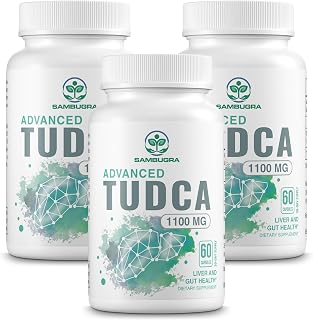
Cholestasis — the impairment of bile formation or flow — is a condition that ranges from a mild biochemical finding to a life-threatening liver disease. When bile acids accumulate in hepatocytes and the bloodstream, they become toxic to liver cells, trigger inflammation, and in pregnancy, pose risks to the fetus. Tauroursodeoxycholic acid (TUDCA), the taurine-conjugated form of ursodeoxycholic acid (UDCA), has been investigated as a therapeutic agent for several cholestatic conditions because of its hydrophilic, cytoprotective properties and its ability to stimulate bile secretion.
While UDCA has been an approved treatment for primary biliary cholangitis (PBC) in many countries for decades, TUDCA has attracted growing clinical interest as a potentially more bioavailable or better-tolerated alternative. This article reviews the peer-reviewed evidence behind TUDCA’s use in cholestasis, examines how it works at a mechanistic level, and places the current data honestly in context — including where evidence remains limited.
Key Takeaways
- TUDCA is a hydrophilic, taurine-conjugated bile acid that reduces hepatocyte toxicity by competing with damaging hydrophobic bile acids and stimulating choleretic bile flow.
- A randomized controlled trial in Chinese PBC patients found TUDCA non-inferior to UDCA in improving liver function tests, with comparable tolerability [1].
- TUDCA and UDCA are pharmacokinetically distinct despite sharing the same parent molecule — their metabolism and biliary disposition differ in PBC patients [2].
- In intrahepatic cholestasis of pregnancy, elevated and altered bile acid profiles are well-documented [3], but robust RCT evidence specifically for TUDCA in ICP remains limited.
- TUDCA is contraindicated in bile duct obstruction and requires medical supervision in patients with gallbladder disease, cholangitis, or severe liver impairment.
What Is Cholestasis and Why Do Bile Acids Matter?
Bile acids are synthesized in the liver, conjugated with taurine or glycine, and secreted into bile via canalicular transporters. They facilitate digestion of dietary fats and cholesterol, and their enterohepatic circulation is tightly regulated. In cholestatic disease, this cycle breaks down: bile acids accumulate in hepatocytes, causing oxidative stress, apoptosis, and progressive liver injury.
In intrahepatic cholestasis of pregnancy (ICP), elevated circulating bile acids are the hallmark feature. Metabolomic research has underscored the complexity of the bile acid profile in ICP, showing that specific primary bile acid species rise well before symptoms appear [3]. Primary bile acids have been proposed as potential biomarkers for grading ICP severity [4], and more recent profiling work in Chinese cohorts has further characterized the diagnostic value of distinct bile acid signatures in ICP versus asymptomatic hypercholanemia [5]. These findings reinforce that targeted modulation of bile acid composition — rather than simple suppression — is the therapeutic goal.
TUDCA enters this picture as a hydrophilic bile acid that competes with and partially displaces toxic hydrophobic bile acids in the enterohepatic pool, reducing their damaging effects on hepatocyte membranes and mitochondria.
How TUDCA Works: Proposed Mechanisms in Cholestatic Disease
TUDCA’s protective effects in cholestasis appear to arise from several converging mechanisms. As a hydrophilic bile acid, it enriches the bile acid pool with a less membrane-disruptive species, directly reducing the cytotoxic burden on hepatocytes. It also has choleretic properties — it stimulates bile secretion — which helps flush retained bile acids from the liver canaliculi.

Canalicular transport is central to this story. The bile salt export pump (BSEP, encoded by ABCB11) is the primary route by which conjugated bile acids are secreted from hepatocytes into bile. Studies in ABCB11-deficient mouse models (abcb11-/- mice) have shown that dietary ursodeoxycholic acid administration can be toxic in the absence of functional canalicular transport — an important mechanistic caution that highlights how dependent therapeutic bile acids are on intact secretory machinery [6]. Separately, TUDCA has been shown to lack meaningful interaction with ABCG2, another ABC transporter involved in hepatic drug efflux, suggesting its biliary secretion relies on distinct transporter pathways [7].
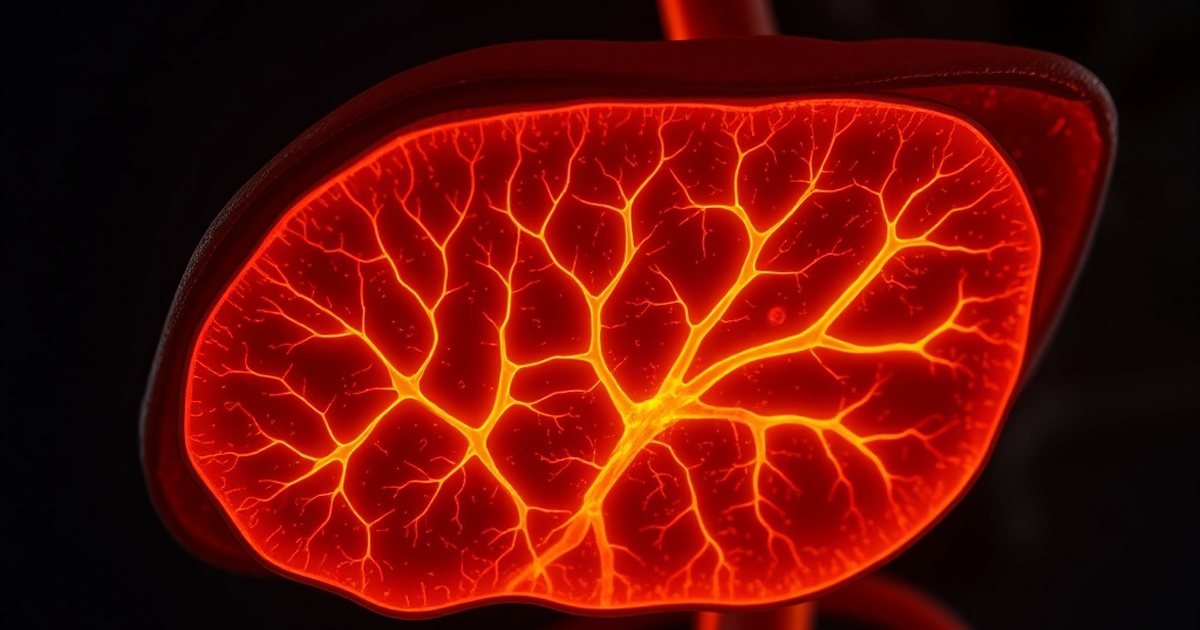
Beyond bile acid competition, TUDCA has demonstrated anti-apoptotic properties in preclinical work, inhibiting the mitochondrial pathway of apoptosis and reducing endoplasmic reticulum stress — although these mechanisms are better characterized in non-hepatic contexts and their precise contribution in clinical cholestasis has not been fully quantified in large human trials.
TUDCA in Primary Biliary Cholangitis: Clinical Trial Evidence
Primary biliary cholangitis (formerly primary biliary cirrhosis, PBC) is an autoimmune cholestatic liver disease in which the bile ducts are progressively destroyed. UDCA at 13–15 mg/kg/day is an established standard of care, and TUDCA has been evaluated as an alternative or comparator.
An early dose-response study established that TUDCA could meaningfully reduce liver enzyme levels in PBC patients across a dose range, providing initial evidence of clinical activity [8]. A pilot crossover study directly compared UDCA and TUDCA in PBC patients, finding that both bile acids improved biochemical markers of cholestasis, including serum alkaline phosphatase and bilirubin, without a statistically significant difference between the two agents in that small trial [9].
The most rigorous head-to-head comparison comes from a multicenter, randomized, double-blind trial conducted in Chinese patients with PBC, which compared TUDCA and UDCA over a defined treatment period. Both agents produced comparable improvements in liver function tests, and TUDCA was not found to be inferior to UDCA in the primary efficacy endpoints, with a similar safety profile [1]. It is worth noting that this trial was conducted in a specific patient population, and whether results fully generalize to other ethnic groups or PBC subtypes requires further study. A Cochrane review examining bile acids for viral hepatitis — a related but distinct cholestatic context — concluded that evidence was insufficient to support routine use for that indication, a reminder that clinical benefit in one cholestatic syndrome does not automatically transfer to another [10].
TUDCA and Intrahepatic Cholestasis of Pregnancy
ICP is a pregnancy-specific cholestatic condition associated with elevated serum bile acids, pruritus, and elevated liver enzymes, and it carries risks of fetal distress and stillbirth. UDCA is the most commonly used pharmacological intervention in ICP, and because TUDCA is a taurine conjugate of the same parent compound, it has attracted interest in this context as well.
The metabolomic evidence linking specific bile acid species to ICP severity [3] and the potential for primary bile acids to serve as grading biomarkers [4] provide a scientific rationale for interventions that modulate bile acid composition. Recent bile acid profiling work has further refined the distinction between ICP and asymptomatic hypercholanemia of pregnancy, with clinical implications for treatment decisions [5]. However, the published randomized trial evidence specifically for TUDCA in ICP is more limited than for PBC, and clinicians currently rely primarily on UDCA for ICP management, with TUDCA representing an area of ongoing investigation rather than an established standard.

TUDCA vs. UDCA: Absorption, Metabolism, and Whether They Are Interchangeable
A clinically important question is whether TUDCA and UDCA are pharmacologically equivalent given that the body converts orally administered UDCA into its taurine and glycine conjugates through first-pass hepatic metabolism. Pharmacokinetic studies have shed light on this. Research in PBC patients demonstrated that orally administered TUDCA is metabolized and that its disposition differs from that of UDCA, with distinct patterns of conjugation and biliary secretion [11]. A follow-up study confirmed meaningful differences in the metabolism and disposition of UDCA and taurine-conjugated UDCA in PBC patients, indicating that the two are not pharmacokinetically identical despite sharing the same parent bile acid [2].
Intestinal absorption studies have clarified an important additional step: both UDCA and its taurine conjugate are absorbed from the small intestine, but the relative efficiency and site of absorption differ, influencing how much of each compound reaches the liver and enters the bile acid pool [12]. These pharmacokinetic nuances mean that oral TUDCA may enrich the bile acid pool with the taurine conjugate more directly than oral UDCA, which must first undergo hepatic conjugation — a potential advantage in patients with impaired conjugation capacity, though this has not been definitively proven to translate into superior clinical outcomes in adequately powered trials.
Safety Profile and Practical Considerations
Across the available clinical literature, TUDCA has demonstrated a tolerability profile broadly similar to UDCA. The multicenter PBC trial found no significant difference in adverse event rates between the two agents [1], and the dose-response study in PBC did not identify dose-limiting toxicities within the studied range [8]. However, the absolute safety database for TUDCA is considerably smaller than that for UDCA, which has decades of post-marketing surveillance across large populations.
Contraindications shared with other bile acid therapies apply to TUDCA: it should not be used in patients with complete bile duct obstruction, as stimulating bile flow without a patent outlet can worsen outcomes. Caution is warranted in patients with existing gallbladder disease, active cholangitis, or severe hepatic impairment. Drug interactions are a consideration: bile acid agents can affect the absorption and enterohepatic cycling of compounds such as cyclosporine, and their interplay with bile acid sequestrants warrants monitoring. Anyone taking prescription medications for liver or gallbladder disease should discuss TUDCA with their prescribing physician before starting supplementation.
🛒 Where to Buy TUDCA
- BulkSupplements.com TUDCA CapsulesLab-tested / studied
capsules, 500 mg per capsule, 90 capsules — Third-party tested and made in a cGMP facility; one capsule per serving; higher per-capsule dose suits users targeting 500–1000 mg/day protocols - Nutricost TUDCA 250mg
capsules, 250 mg per capsule, 60 capsules — High-volume seller; non-GMO and gluten-free labeling; no third-party purity COA publicly posted, but consistent community reputation for accurate dosing - Double Wood Supplements TUDCA Bile Salts 500mg
capsules, 500 mg per capsule, 60 capsules — USA-manufactured; publishes basic COA on request; popular among biohacker community for reliable potency at accessible price point - Nutricost TUDCA Powder
powder, 25 g tub — Best cost-per-gram option for daily high-dose users; gluten-free, same material as their capsule line; requires a milligram-accurate scale for precise dosing
As an Amazon Associate we earn from qualifying purchases. TUDCA quality varies widely — always choose a product that publishes a third-party purity test (COA) confirming 98%+ tauroursodeoxycholic acid before buying.
A Note on the Evidence
The evidence supporting TUDCA in cholestasis is most substantial for primary biliary cholangitis, with randomized trial data primarily from a single Chinese cohort [1]; large-scale, long-term RCT data in diverse populations and in conditions such as ICP remain limited. TUDCA is not a supplement to self-prescribe for liver disease — anyone with a diagnosed cholestatic condition, gallbladder disease, or significant hepatic impairment should consult a qualified hepatologist before considering TUDCA, as it carries meaningful contraindications and potential drug interactions. This article is informational only and does not constitute medical advice.

Frequently Asked Questions
What is TUDCA and how does it differ from UDCA?
TUDCA (tauroursodeoxycholic acid) is the taurine conjugate of UDCA (ursodeoxycholic acid) — both share the same parent bile acid structure but differ in their conjugation and resulting pharmacokinetics. Studies in PBC patients have shown that oral TUDCA is metabolized and disposed of differently from oral UDCA [2], meaning they are not simply interchangeable despite their close chemical relationship [11].
Is TUDCA approved or clinically recognized for primary biliary cholangitis?
UDCA is the established approved therapy for PBC in most countries. TUDCA has been evaluated in clinical trials as a comparator: a multicenter randomized double-blind trial in Chinese PBC patients found TUDCA non-inferior to UDCA in improving key liver function markers, with a similar safety profile [1]. TUDCA’s regulatory approval status varies by country, and it is not universally approved as a first-line PBC treatment.
Can TUDCA help with intrahepatic cholestasis of pregnancy?
ICP is characterized by elevated serum bile acids and altered bile acid profiles [3], and primary bile acids may serve as biomarkers for grading disease severity [4]. Because TUDCA modulates the bile acid pool and has choleretic properties, it is a rational candidate for investigation in ICP. However, the clinical trial evidence base for TUDCA specifically in ICP is currently limited, and UDCA remains the more established pharmacological option for this condition.
How is TUDCA absorbed and does it reach the liver intact?
Research on intestinal absorption shows that both UDCA and its taurine conjugate are absorbed from the small intestine, but with differences in efficiency and site-specificity that affect how much reaches the hepatic bile acid pool [12]. Oral TUDCA enriches the bile acid pool with the taurine-conjugated species more directly than UDCA, which must first undergo hepatic conjugation after absorption.
What are the main contraindications and risks of TUDCA?
TUDCA should not be used in bile duct obstruction, as promoting bile secretion without a patent outflow tract can be dangerous. Evidence from ABCB11-deficient mice illustrates that canalicular transport integrity is critical for safe bile acid administration [6]. Patients with gallbladder disease, cholangitis, or severe hepatic impairment require medical supervision. Potential interactions with cyclosporine, bile acid sequestrants, and certain lipid-lowering agents should be reviewed with a physician.
Is there evidence TUDCA helps in viral hepatitis-related cholestasis?
A Cochrane review of bile acids for viral hepatitis found insufficient evidence to support routine use of bile acid therapy for this indication [10]. This highlights that clinical benefit demonstrated in one cholestatic condition — such as PBC — does not automatically extend to other cholestatic diseases, and each indication requires its own trial evidence.
References
- Ma H et al. A multicenter, randomized, double-blind trial comparing the efficacy and safety of TUDCA and UDCA in Chinese patients with primary biliary cholangitis. Medicine (2016). PMID 27893675
- Invernizzi P et al. Differences in the metabolism and disposition of ursodeoxycholic acid and of its taurine-conjugated species in patients with primary biliary cirrhosis. Hepatology (Baltimore, Md.) (1999). PMID 9918905
- Yang Z et al. Application of metabolomics in intrahepatic cholestasis of pregnancy: a systematic review. European journal of medical research (2022). PMID 36104763
- Chen J et al. Primary bile acids as potential biomarkers for the clinical grading of intrahepatic cholestasis of pregnancy. International journal of gynaecology and obstetrics: the official organ of the International Federation of Gynaecology and Obstetrics (2013). PMID 23562588
- Gou LS et al. [Characteristics and diagnostic value of serum bile acids profile in pregnant women with intrahepatic cholestasis of pregnancy and asymptomatic hypercholanemia of pregnancy]. Zhonghua fu chan ke za zhi (2024). PMID 38644273
- Wang R et al. Defective canalicular transport and toxicity of dietary ursodeoxycholic acid in the abcb11-/- mouse: transport and gene expression studies. American journal of physiology. Gastrointestinal and liver physiology (2013). PMID 23764895
- Vaidya SS et al. Lack of interaction between tauroursodeoxycholate and ATP-binding cassette transporter isoform G2 (ABCG2). Molecular pharmaceutics (2006). PMID 16749862
- Crosignani A et al. Tauroursodeoxycholic acid for treatment of primary biliary cirrhosis. A dose-response study. Digestive diseases and sciences (1996). PMID 8674405
- Larghi A et al. Ursodeoxycholic and tauro-ursodeoxycholic acids for the treatment of primary biliary cirrhosis: a pilot crossover study. Alimentary pharmacology & therapeutics (1997). PMID 9146783
- Chen W et al. Bile acids for viral hepatitis. The Cochrane database of systematic reviews (2003). PMID 12804455
- Setchell KD et al. Metabolism of orally administered tauroursodeoxycholic acid in patients with primary biliary cirrhosis. Gut (1996). PMID 8675100
- Rudolph G et al. Intestinal absorption and biliary secretion of ursodeoxycholic acid and its taurine conjugate. European journal of clinical investigation (2002). PMID 12190957
These statements have not been evaluated by the Food and Drug Administration. This information is not intended to diagnose, treat, cure, or prevent any disease. Content is for informational purposes only and is not medical advice; consult a qualified healthcare provider before starting any supplement. As an Amazon Associate we earn from qualifying purchases.