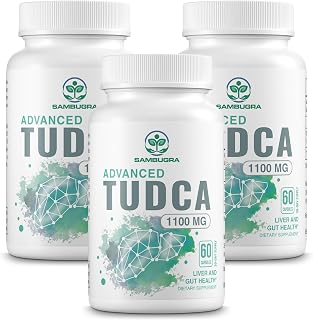
In the evolving landscape of health and performance supplements, certain compounds consistently emerge from niche discussions to broader scientific and public interest. One such molecule is TUDCA, or tauroursodeoxycholic acid, a water-soluble bile acid that has garnered significant attention across diverse communities. From individuals seeking advanced liver support during specific pharmacological interventions to biohackers exploring longevity pathways, and even patients managing complex metabolic conditions, the question persists: what exactly is TUDCA, and what does the current evidence say about its purported benefits and safety?
This comprehensive article aims to dissect the current understanding of TUDCA, examining its mechanisms of action, reviewing the available research across its various applications, and providing a balanced perspective on its efficacy and safety profile as of 2026. Our goal is to equip a scientifically literate audience with evidence-based insights, distinguishing robust findings from preliminary observations and acknowledging the critical gaps in human trial data.
FTC Disclosure: This article may contain affiliate links. If you make a purchase through these links, TUDCAHub may earn a commission at no extra cost to you. We only recommend products we believe in and that align with our editorial standards.
What is TUDCA? A Bile Acid Primer
TUDCA (tauroursodeoxycholic acid) is a naturally occurring hydrophilic bile acid. It is the taurine conjugate of ursodeoxycholic acid (UDCA), a secondary bile acid produced in the liver and intestines of various species, including humans, in small quantities.
Bile acids are steroidal acids found predominantly in the bile of mammals. Their primary physiological role is to facilitate the digestion and absorption of dietary fats and fat-soluble vitamins in the small intestine. Beyond this digestive function, bile acids also act as signaling molecules, regulating lipid, glucose, and energy metabolism through receptors like the farnesoid X receptor (FXR) and Takeda G protein-coupled receptor 5 (TGR5).
TUDCA distinguishes itself from more common, hydrophobic bile acids due to its water-soluble nature. This property is crucial for its cytoprotective effects, as hydrophobic bile acids can be detergent-like and potentially toxic to cells at high concentrations. TUDCA’s hydrophilicity allows it to interact with cell membranes and proteins in a less disruptive manner, contributing to its therapeutic potential.
Mechanisms of Action: How TUDCA Exerts Its Effects
TUDCA’s diverse physiological effects stem from several key molecular mechanisms. Understanding these pathways is essential for appreciating its potential applications.
Chaperone Function and Protein Folding
One primary mechanism involves TUDCA’s role as a chemical chaperone. It helps stabilize protein structure and prevent misfolding, particularly within the endoplasmic reticulum (ER). ER stress, characterized by an accumulation of misfolded proteins, is implicated in numerous diseases, including neurodegenerative disorders, metabolic diseases, and liver pathologies.
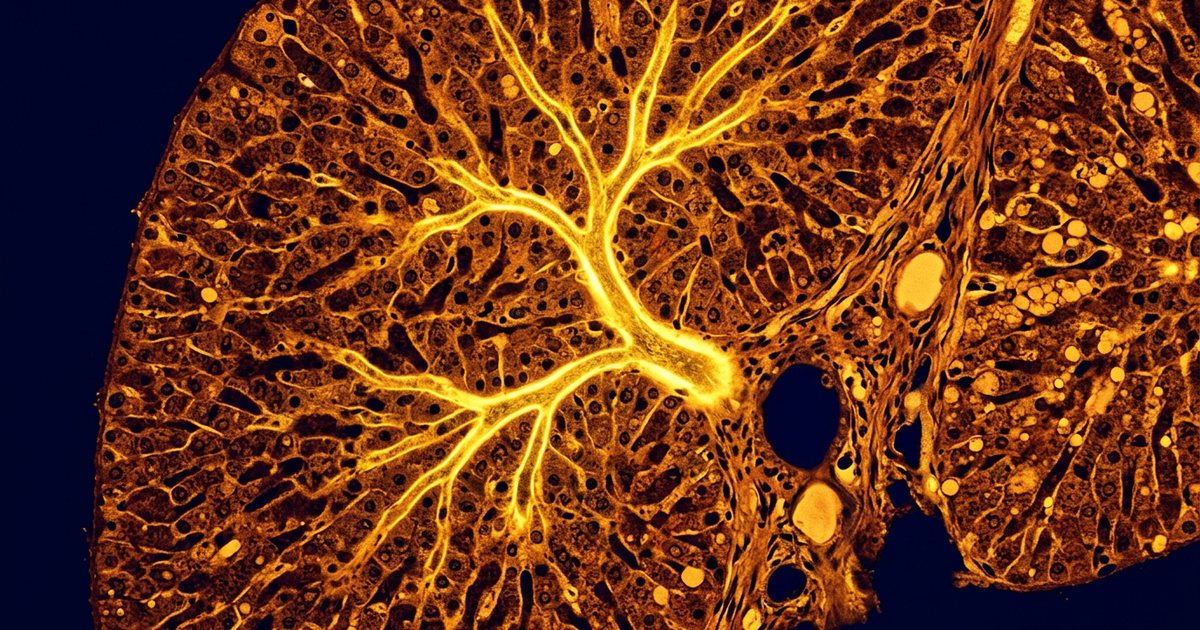
By alleviating ER stress, TUDCA can improve cellular function and viability. This chaperone activity is thought to be a fundamental aspect of its cytoprotective properties across various cell types.
Anti-Apoptotic Properties
TUDCA has demonstrated anti-apoptotic effects, meaning it can inhibit programmed cell death. It achieves this by stabilizing mitochondrial membranes, reducing the release of pro-apoptotic factors like cytochrome c, and modulating the activity of caspases, which are key enzymes in the apoptotic cascade.
This anti-apoptotic action is particularly relevant in conditions where cell death contributes to disease progression, such as liver injury or neurodegeneration.
Anti-Inflammatory and Antioxidant Effects
Research suggests TUDCA can modulate inflammatory pathways, reducing the production of pro-inflammatory cytokines. It also exhibits antioxidant properties, helping to neutralize reactive oxygen species (ROS) and mitigate oxidative stress, which can damage cellular components.
These combined effects contribute to its protective role in various tissues and organs, particularly the liver and brain.

Bile Flow Regulation and Choleresis
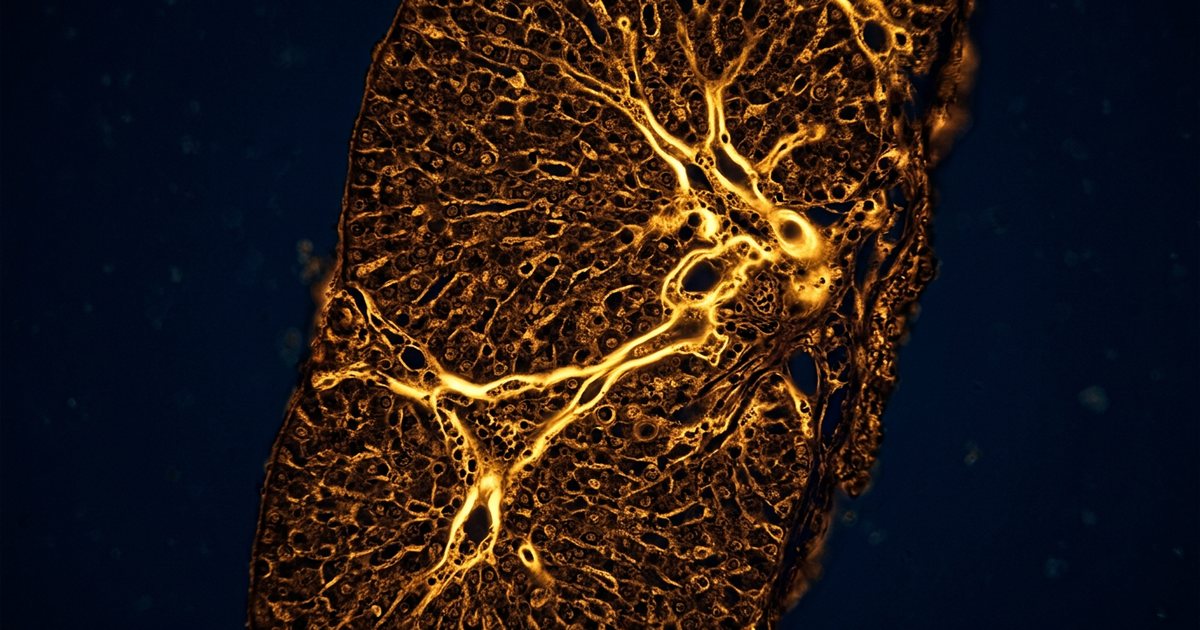
As a bile acid, TUDCA directly influences bile formation and flow. It promotes choleresis, an increase in bile secretion, and can improve the composition of bile by increasing the proportion of hydrophilic bile acids. This is particularly beneficial in cholestatic conditions where bile flow is impaired, and hydrophobic bile acids accumulate, causing cellular damage.
TUDCA for Liver Protection: A Primary Application
The role of TUDCA in liver health is perhaps its most well-researched and clinically established application. Its hepatoprotective effects are multifaceted.
Cholestatic Liver Diseases
TUDCA, like its parent compound UDCA, is a standard treatment for primary biliary cholangitis (PBC), a chronic cholestatic liver disease. It improves bile flow, reduces the accumulation of toxic hydrophobic bile acids, and exhibits anti-inflammatory and anti-apoptotic effects on hepatocytes.
While UDCA is the first-line therapy, TUDCA has been explored for its potentially superior cytoprotective properties in some contexts due to its higher hydrophilicity.
Non-Alcoholic Fatty Liver Disease (NAFLD) and NASH
NAFLD, encompassing simple steatosis to non-alcoholic steatohepatitis (NASH), is a growing global health concern. Preclinical studies have shown TUDCA can improve insulin sensitivity, reduce hepatic steatosis (fat accumulation), and mitigate inflammation and fibrosis in animal models of NAFLD/NASH.
Human trials are more limited. A small study in obese, insulin-resistant individuals demonstrated TUDCA improved hepatic and muscle insulin sensitivity.[1] However, larger, long-term randomized controlled trials are needed to confirm these benefits and establish TUDCA as a therapeutic option for NAFLD/NASH in clinical practice.
TUDCA for Bodybuilding and PED Users
Oral anabolic androgenic steroids (AAS) and certain prohormones can induce hepatotoxicity, primarily cholestatic liver injury, due to their 17-alpha-alkylation. This modification makes them orally bioavailable but also resistant to hepatic breakdown, leading to stress on the liver.

Given TUDCA’s established role in managing cholestasis and its cytoprotective properties, it has gained popularity among bodybuilders and PED users as a “liver support” supplement during cycles. The rationale is that TUDCA may help mitigate the cholestatic and general hepatotoxic effects of these compounds.
While this application is widespread, direct human clinical trials specifically investigating TUDCA’s efficacy in preventing or treating AAS-induced hepatotoxicity are scarce. The evidence is largely extrapolated from its use in other cholestatic conditions and anecdotal reports. Users should understand that TUDCA is not a license to abuse hepatotoxic substances; it is an adjunct that may offer some protection, but the best approach remains responsible use and regular monitoring of liver enzymes.
Neuroprotection and Beyond: Emerging Research
Beyond the liver, TUDCA’s ER-stress-modulating and anti-apoptotic properties have led to exciting research in neurological disorders and metabolic conditions.
Neurodegenerative Diseases (ALS, Alzheimer’s, Parkinson’s)
TUDCA has shown promise in preclinical models of various neurodegenerative diseases. Its ability to reduce ER stress and prevent neuronal apoptosis is a key factor. In models of amyotrophic lateral sclerosis (ALS), Parkinson’s disease, and Huntington’s disease, TUDCA has demonstrated neuroprotective effects, improving motor function and neuronal survival.
For ALS, a phase 2 clinical trial combining TUDCA with sodium phenylbutyrate (AMX0035) showed a reduction in disease progression and mortality.[2] This led to conditional approval in Canada and the US (as Relyvrio, subsequently withdrawn by Amylyx Pharmaceuticals in April 2024 due to failure in a confirmatory Phase 3 trial[3]). While the individual contribution of TUDCA in this combination therapy remains debated, it highlights TUDCA’s potential as a neuroprotective agent. Further independent trials of TUDCA alone or in other combinations are ongoing.

Ocular Health
TUDCA has been investigated for its potential in treating retinal disorders. Preclinical studies suggest it may protect photoreceptor cells from degeneration and reduce ER stress in conditions like retinitis pigmentosa and glaucoma.[4][5] This area of research is still in its early stages, primarily confined to animal models and in vitro studies.
Metabolic Health and Insulin Sensitivity
As mentioned in the NAFLD section, TUDCA can improve insulin sensitivity. This effect is thought to be mediated by reducing ER stress in insulin-responsive tissues like the liver and muscle. Chronic ER stress is a known contributor to insulin resistance.
While promising, human data on TUDCA’s standalone effects on broader metabolic parameters in non-diabetic or pre-diabetic populations are limited. It is not currently considered a first-line treatment for metabolic syndrome or type 2 diabetes.
TUDCA vs. UDCA: Key Differences
While TUDCA is a derivative of UDCA, there are important distinctions between the two bile acids. Both are hydrophilic and used in cholestatic liver diseases, but their precise pharmacological profiles differ.
| Feature | UDCA (Ursodeoxycholic Acid) | TUDCA (Tauroursodeoxycholic Acid) |
| Chemical Structure | Unconjugated bile acid | Taurine-conjugated form of UDCA |
| Natural Occurrence | Small amounts in human bile, higher in some bears | Small amounts in human bile, produced by conjugation of UDCA with taurine |
| Hydrophilicity | Hydrophilic | More hydrophilic than UDCA |
| Absorption | Well absorbed orally | Well absorbed orally |
| Half-life | Variable, generally shorter than TUDCA in some animal models | Longer half-life in some animal models due to taurine conjugation, which reduces renal excretion |
| Primary Clinical Use | Established first-line treatment for PBC and other cholestatic conditions | Investigated for a broader range of conditions including neuroprotection, metabolic disorders; sometimes used off-label for liver support |
| ER Stress Modulation | Yes, but TUDCA may be more potent in certain contexts due to increased stability and cellular uptake | More pronounced and studied for its ER stress-reducing capabilities |
| Market Availability | Prescription drug (e.g., Actigall, Urso 250/Forte) | Dietary supplement |
The taurine conjugation in TUDCA is believed to enhance its stability, cellular uptake, and potentially its pharmacological activity, particularly concerning ER stress modulation and anti-apoptotic effects. This is a primary reason why TUDCA is often preferred in research settings exploring non-liver applications.
Safety Profile and Side Effects
TUDCA is generally considered safe and well-tolerated at commonly studied dosages (typically 500-1500 mg/day) when used for appropriate durations. The most frequently reported side effect is gastrointestinal upset, including diarrhea, especially at higher doses.
Other less common side effects can include nausea, stomach pain, and constipation. These are typically mild and transient. Serious adverse events are rare but have not been extensively studied in large, long-term healthy populations.
As TUDCA influences bile acid metabolism, individuals with pre-existing gallbladder disease, bile duct obstruction, or severe liver impairment should use TUDCA only under strict medical supervision. Pregnant and breastfeeding women should avoid TUDCA due to insufficient safety data.
It is crucial to consult a healthcare professional before starting TUDCA, especially if you have underlying health conditions or are taking other medications. TUDCA can interact with other drugs, particularly those affecting liver function or bile acid metabolism.
Choosing a TUDCA Supplement (Affiliate Section)
When selecting a TUDCA supplement, quality and purity are paramount. Due to its increasing popularity, the market has seen an influx of products varying significantly in quality. Here are types of products to look for:
Look for third-party tested TUDCA supplements to ensure the product contains the stated amount of TUDCA and is free from contaminants. Reputable manufacturers will often provide certificates of analysis (COAs) upon request or make them available online.

Consider TUDCA capsules in standardized dosages, such as 250 mg or 500 mg, which allow for precise dosing. Some brands offer TUDCA formulations combined with other liver support ingredients like milk thistle or N-acetyl cysteine (NAC), though for initial use, a pure TUDCA product is often preferred to assess individual response.
Conclusion
TUDCA stands as a fascinating and increasingly important molecule in the realm of health and performance. Its established role in managing cholestatic liver diseases, coupled with burgeoning research into its neuroprotective, anti-inflammatory, and metabolic benefits, paints a picture of a versatile compound.
For bodybuilders and PED users, TUDCA offers a plausible mechanism for liver support, though direct human evidence in this specific population remains observational or extrapolated. For biohackers and longevity enthusiasts, its ER stress-modulating properties align with fundamental theories of cellular aging. While the excitement surrounding TUDCA is warranted, it is crucial to approach its use with a clinically precise and evidence-graded perspective, acknowledging the limitations of current human trial data and prioritizing safety.
Frequently Asked Questions (FAQ)
What is the recommended dosage for TUDCA?
Dosages vary significantly depending on the intended use and individual response. For general liver support or as explored in some metabolic studies, doses often range from 250 mg to 1000 mg per day. For specific medical conditions, higher doses (e.g., 1000-1500 mg/day) have been used under medical supervision. Always consult a healthcare professional for personalized dosage advice.
How quickly does TUDCA work?
The onset of effects for TUDCA can vary. For acute issues like reducing elevated liver enzymes due to temporary stress, some individuals report feeling effects within days to weeks. For chronic conditions or neuroprotective benefits, effects may take weeks to months to become noticeable, if at all, as cellular processes take time to rebalance. Consistent, long-term use as directed is typically required.
Can TUDCA be taken long-term?
TUDCA has been used long-term in clinical settings for conditions like PBC, typically under medical supervision. For supplemental use, long-term safety in healthy individuals has not been as extensively studied. It is advisable to discuss long-term use with a healthcare provider, especially if you have any underlying health conditions.
Does TUDCA interact with other medications?
Yes, TUDCA can interact with certain medications, particularly those that affect liver function, bile acid metabolism, or lipid levels. Examples include cholesterol-lowering drugs, aluminum-based antacids, and some oral contraceptives. Always inform your doctor about all supplements and medications you are taking.
Is TUDCA the same as UDCA?
No, TUDCA (tauroursodeoxycholic acid) is a taurine conjugate of UDCA (ursodeoxycholic acid). While both are hydrophilic bile acids used for liver conditions, TUDCA is generally considered more hydrophilic and may have enhanced cellular stability and ER stress-modulating properties compared to unconjugated UDCA.
Can TUDCA prevent liver damage from alcohol?
While TUDCA has hepatoprotective properties, there is limited direct human evidence to suggest it can prevent or reverse significant alcoholic liver damage. The primary and most effective strategy for preventing alcohol-induced liver damage is to reduce or abstain from alcohol consumption. TUDCA should not be considered a preventative measure against the consequences of excessive alcohol intake.
These statements have not been evaluated by the FDA. This product is not intended to diagnose, treat, cure, or prevent any disease.
References
- Tauroursodeoxycholic Acid may improve liver and muscle but not adipose tissue insulin sensitivity in obese men and women. Diabetes (2010). Randomised placebo-controlled trial, n=20, TUDCA 1,750 mg/day for 4 weeks; hepatic and muscle insulin sensitivity rose about 30%, adipose tissue sensitivity did not improve and markers of ER stress in muscle and adipose tissue did not change.
- Effect of sodium phenylbutyrate/taurursodiol on tracheostomy/ventilation-free survival and hospitalisation in amyotrophic lateral sclerosis: long-term results from the CENTAUR trial. J Neurol Neurosurg Psychiatry (2022). Phase 2 CENTAUR long-term follow-up of a combination product (sodium phenylbutyrate plus taurursodiol), not TUDCA alone.
- Sodium phenylbutyrate and tauroursodeoxycholic acid: a story of hope turned to disappointment in amyotrophic lateral sclerosis treatment. Clin Drug Investig (2024). Review documenting that the Phase 3 PHOENIX trial showed no change in ALSFRS-R at 48 weeks, after which the sponsor voluntarily withdrew the marketing authorisations with the FDA and Health Canada.
- Tauroursodeoxycholic acid preservation of photoreceptor structure and function in the rd10 mouse through postnatal day 30. Invest Ophthalmol Vis Sci (2008). rd10 mouse model of retinitis pigmentosa; TUDCA-treated retinas retained about five times more photoreceptors than vehicle. Animal study; no human retinal trial is cited here.
- Tool from ancient pharmacopoeia prevents vision loss. Mol Vis (2006). Mouse retinal-degeneration models (rd10 and light-induced damage), TUDCA 500 mg/kg injected subcutaneously. Animal study.
These statements have not been evaluated by the Food and Drug Administration. This information is not intended to diagnose, treat, cure, or prevent any disease. Content is for informational purposes only and is not medical advice; consult a qualified healthcare provider before starting any supplement. As an Amazon Associate we earn from qualifying purchases.