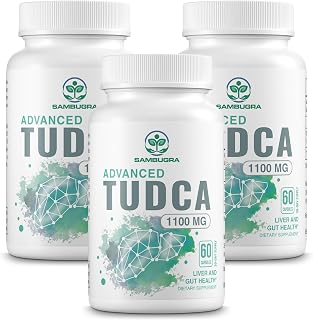
Tauroursodeoxycholic acid (TUDCA) is a bile acid that has long been used in clinical medicine for cholestatic liver conditions. Over the past two decades, researchers have turned attention toward a different potential application: protecting neurons from the cascade of events that drives neurodegeneration. Interest has grown because TUDCA acts on several cellular stress pathways that are active in diseases ranging from ALS to retinal degeneration to Parkinson’s disease.
This article reviews the proposed mechanisms behind TUDCA’s neuroprotective effects, the preclinical and limited clinical evidence that has accumulated, and where the honest gaps in that evidence remain. Because large-scale randomized controlled trials in healthy humans are largely absent, the picture that emerges is promising but incomplete — a theme any reader should keep in mind before drawing firm conclusions.
Key Takeaways
- TUDCA reduces ER stress and inhibits mitochondrial apoptosis pathways — two mechanisms highly relevant to neuronal death in multiple disease contexts [1].
- The strongest preclinical neuroprotection evidence is in retinal disease models, where TUDCA consistently reduces photoreceptor apoptosis across numerous experimental paradigms [2].
- A promising ALS clinical trial combining TUDCA with sodium phenylbutyrate did not demonstrate the hoped-for disease-modifying benefit in human patients, illustrating the gap between preclinical and clinical results [3].
- Combination approaches pairing TUDCA with compounds targeting overlapping mitochondrial pathways show additive effects in cell models, but human trial data confirming these synergies do not yet exist [4].
- TUDCA’s neuroprotective story is mechanistically plausible and preclinically active, but large-scale, well-controlled human trials demonstrating clinical benefit in neurological conditions are largely absent outside cholestasis.
Core Mechanisms: How TUDCA May Protect Neurons
Three cellular mechanisms appear repeatedly in the TUDCA neuroprotection literature. First, TUDCA is a potent reducer of endoplasmic reticulum (ER) stress. The ER is responsible for folding proteins correctly; when this process breaks down — as it does in many neurodegenerative conditions — misfolded proteins accumulate and can trigger cell death. TUDCA acts as a chemical chaperone that stabilizes protein folding and blunts the unfolded protein response [1].
Second, TUDCA inhibits the mitochondrial apoptosis pathway. Neurons threatened by oxidative damage, excitotoxicity, or protein aggregation often die through a sequence of events that runs through the mitochondria — culminating in cytochrome c release and caspase activation. TUDCA interferes with this sequence upstream, reducing the likelihood that a stressed neuron commits to apoptosis [1]. Third, emerging work on bile acid signaling in the brain suggests that receptors such as TGR5 and FXR are expressed in neural tissue and that bile acids including TUDCA may exert direct neuromodulatory effects through these pathways [5]. Taken together, these mechanisms give researchers a plausible rationale for studying TUDCA across several disease contexts.
Retinal Neuroprotection: Where the Evidence Is Strongest
The retina is an extension of the central nervous system, and photoreceptors and retinal ganglion cells die through apoptotic pathways that closely parallel those seen in brain neurodegeneration. This has made retinal disease a productive testing ground for TUDCA. A systematic review of both in vitro and in vivo models found that TUDCA consistently reduced photoreceptor apoptosis and slowed retinal degeneration across multiple experimental paradigms, with the anti-apoptotic and ER-stress-reducing effects appearing central to these outcomes [2].
A 2019 review of the urso- and tauroursodeoxycholic acid literature in retinal disease concluded that TUDCA shows neuroprotective properties in animal models of conditions including retinitis pigmentosa, glaucoma, and light-induced retinal damage [6]. More recent work examining retinal detachment — a condition in which photoreceptors die rapidly once separated from the retinal pigment epithelium — has highlighted TUDCA as one of several candidate neuroprotective agents warranting further investigation [7]. A broader review of neuroprotective strategies for retinal disease similarly flagged TUDCA’s anti-apoptotic profile as relevant to this therapeutic space [8]. The retinal evidence base remains largely preclinical, but it is more developed than in most other neurological indications.

ALS Research: A Cautionary Chapter
Amyotrophic lateral sclerosis (ALS) was the disease context that brought TUDCA closest to clinical translation. The combination of sodium phenylbutyrate (NaPB) and TUDCA was studied in a phase 2/3 trial on the basis that the two compounds address overlapping but distinct ER stress pathways. Initial phase 2 results were encouraging enough to prompt a larger trial.
The outcome of that larger trial, however, was not what researchers had hoped. A 2024 analysis of the ALS treatment program concluded that NaPB and TUDCA did not demonstrate the disease-modifying benefits that preclinical work had suggested, representing what the authors described as hope that turned to disappointment [3]. This result is an important corrective to enthusiasm generated by animal model data: mechanisms that look compelling in cell culture or rodent ALS models do not automatically translate to benefit in human patients with a complex, heterogeneous disease. The ALS experience underscores why robust randomized controlled trial data in humans — not preclinical evidence alone — must be the standard of proof.
Parkinson's Disease and Combination Approaches
Parkinson’s disease research has explored TUDCA both alone and in combination with other compounds. A 2024 in vitro study tested whether combining TUDCA with coenzyme Q10 and creatine — each of which addresses mitochondrial function through a somewhat different route — might produce additive neuroprotective effects in cell models of Parkinson’s disease. The study found that the combination did demonstrate additive protective effects beyond any single agent alone, with reductions in markers of oxidative stress and apoptosis [4]. This kind of combination strategy is conceptually appealing because neurodegeneration involves multiple converging insults, but it is important to note that additive effects in cell culture models are far from proof that the same synergy would appear in humans.
Work on the neurovascular unit — the tightly coordinated system of neurons, astrocytes, and endothelial cells that maintains brain homeostasis — has also shown TUDCA to be relevant. A 2026 study examining hypoxia-reoxygenation injury (a model relevant to stroke and other ischemic events) found synergistic neuroprotective effects when taurine and TUDCA were combined, with effects on both cellular survival and vascular integrity [9]. Again, these are in vitro findings, but they extend the mechanistic picture of TUDCA’s potential reach in the nervous system.
Where TUDCA Falls Short: Negative and Null Results
An honest accounting of the neuroprotection literature must include the negative findings. A 2025 study tested TUDCA, trazodone, and dibenzoylmethane in a mouse model of Marinesco-Sjögren syndrome, a rare hereditary ataxia characterized by cerebellar neurodegeneration. Despite the prior mechanistic rationale, none of the three compounds prevented motor dysfunction or neurodegeneration in this model [10]. This result is a reminder that ER stress involvement in a disease does not guarantee that an ER stress-targeting compound will be sufficient to alter the disease course — especially in complex genetic neurodegenerative conditions.
The broader landscape of TUDCA neuroprotection research, while promising in certain models, is characterized by a large preclinical evidence base and a much smaller body of rigorous human data. Reviews covering the field note both the consistent mechanistic findings and the limitations of translating them to clinical outcomes [11]. Autophagy activation has also been proposed as one mechanism by which cellular stress responses, including those TUDCA modulates, may confer neuroprotection under certain conditions — though this pathway adds complexity rather than clarity to the overall picture [12].

Bile Acid Signaling and the Brain: An Emerging Dimension
Beyond its direct cytoprotective effects, TUDCA belongs to a broader class of signaling molecules that interact with the nervous system in ways researchers are only beginning to map. Bile acid receptors including TGR5 are expressed in neurons and glial cells, and activation of these receptors appears to influence neuroinflammation, mitochondrial biogenesis, and synaptic function [5]. This positions TUDCA not merely as a stress-response modulator but as a potential participant in ongoing neuromodulatory signaling — a more expansive role than its original hepatic applications would suggest.

This dimension of TUDCA research is at an early stage. Much of the evidence comes from receptor biology and animal studies rather than human intervention trials. Whether systemic TUDCA administration — at doses achievable with supplementation — meaningfully engages brain bile acid receptors in living humans remains an open question. The pharmacokinetics of TUDCA in the central nervous system are not as well characterized as its hepatic profile, which is an important practical limitation for interpreting the neuroprotection literature.
🛒 Where to Buy TUDCA
- BulkSupplements.com TUDCA CapsulesLab-tested / studied
capsules, 500 mg per capsule, 90 capsules — Third-party tested and made in a cGMP facility; one capsule per serving; higher per-capsule dose suits users targeting 500–1000 mg/day protocols - Nutricost TUDCA 250mg
capsules, 250 mg per capsule, 60 capsules — High-volume seller; non-GMO and gluten-free labeling; no third-party purity COA publicly posted, but consistent community reputation for accurate dosing - Double Wood Supplements TUDCA Bile Salts 500mg
capsules, 500 mg per capsule, 60 capsules — USA-manufactured; publishes basic COA on request; popular among biohacker community for reliable potency at accessible price point - Nutricost TUDCA Powder
powder, 25 g tub — Best cost-per-gram option for daily high-dose users; gluten-free, same material as their capsule line; requires a milligram-accurate scale for precise dosing
As an Amazon Associate we earn from qualifying purchases. TUDCA quality varies widely — always choose a product that publishes a third-party purity test (COA) confirming 98%+ tauroursodeoxycholic acid before buying.
A Note on the Evidence
The neuroprotection evidence for TUDCA is largely preclinical, and the most advanced human trial — in ALS — did not show clinical benefit, highlighting that animal and cell model results do not reliably predict human outcomes. TUDCA is contraindicated in bile duct obstruction and should be used only under medical supervision in anyone with gallbladder disease, cholangitis, liver impairment, or who takes cyclosporine, bile acid sequestrants, or certain lipid-lowering agents; this article is informational only and is not a substitute for advice from a qualified healthcare provider.
Frequently Asked Questions
What is the main way TUDCA is thought to protect neurons?
Researchers propose two primary mechanisms: reducing endoplasmic reticulum stress by acting as a chemical chaperone that stabilizes protein folding, and blocking the mitochondrial apoptosis cascade before neurons commit to cell death [1]. Bile acid receptor signaling in neural tissue may represent an additional pathway [5].
Is there human clinical trial evidence for TUDCA in neurological disease?
The most notable human trial was in ALS, where TUDCA was combined with sodium phenylbutyrate. Unfortunately, that trial did not show the disease-modifying benefit that early results had suggested, and the program was described as ending in disappointment [3]. Human data in other neurological indications remain limited.
Which neurological condition has the most developed TUDCA research?
Retinal degeneration has the most extensive body of preclinical work. A systematic review found consistent anti-apoptotic and neuroprotective effects across multiple in vitro and in vivo retinal disease models, including conditions like retinitis pigmentosa and light-induced damage [2]. Human interventional data in retinal disease remain an area of active investigation.
Does combining TUDCA with other supplements improve its neuroprotective effects?
In cell culture models of Parkinson’s disease, a combination of TUDCA, coenzyme Q10, and creatine showed additive neuroprotective effects beyond any single compound [4]. Similarly, combining TUDCA with taurine showed synergistic effects on the neurovascular unit in a hypoxia-reoxygenation model [9]. Neither combination has been validated in human trials.
Can TUDCA neuroprotection research from animal models predict human benefit?
The ALS experience is a direct illustration of why it cannot be assumed to do so. Despite consistent neuroprotective signals in animal models, the human clinical trial did not replicate those findings [3]. A negative result in a Marinesco-Sjögren syndrome mouse model also shows that even within preclinical research, mechanistic rationale does not guarantee efficacy [10].
Does TUDCA affect brain signaling beyond just protecting neurons from death?
Research into bile acid signaling suggests that receptors such as TGR5, which TUDCA can activate, are present in neural tissue and may influence neuroinflammation and mitochondrial function [5]. This suggests TUDCA could have ongoing neuromodulatory roles rather than purely cytoprotective ones, though this area of research is still early and human data are sparse.
References
- Zangerolamo L et al. The bile acid TUDCA and neurodegenerative disorders: An overview. Life sciences (2021). PMID 33636170
- Li J et al. Neuroprotective Effect of Tauroursodeoxycholic Acid (TUDCA) on In Vitro and In Vivo Models of Retinal Disorders: A Systematic Review. Current neuropharmacology (2024). PMID 37691227
- Ketabforoush A et al. Sodium Phenylbutyrate and Tauroursodeoxycholic Acid: A Story of Hope Turned to Disappointment in Amyotrophic Lateral Sclerosis Treatment. Clinical drug investigation (2024). PMID 38909349
- Shtilbans A et al. Combination of tauroursodeoxycholic acid, co-enzyme Q10 and creatine demonstrates additive neuroprotective effects in in-vitro models of Parkinson's disease. Frontiers in neuroscience (2024). PMID 39764390
- Xing C et al. Roles of bile acids signaling in neuromodulation under physiological and pathological conditions. Cell & bioscience (2023). PMID 37308953
- Daruich A et al. Review: The bile acids urso- and tauroursodeoxycholic acid as neuroprotective therapies in retinal disease. Molecular vision (2019). PMID 31700226
- Behar-Cohen F et al. Neurodegeneration and neuroprotection in retinal detachment. Handbook of clinical neurology (2026). PMID 42217976
- Pardue MT et al. Neuroprotective strategies for retinal disease. Progress in retinal and eye research (2018). PMID 29481975
- Du X et al. Synergistic Neuroprotective Effects of Taurine and Tauroursodeoxycholic Acid on the Neurovascular Unit in Hypoxia-Reoxygenation Injury. Rejuvenation research (2026). PMID 41645526
- Lavigna G et al. Trazodone, dibenzoylmethane and tauroursodeoxycholic acid do not prevent motor dysfunction and neurodegeneration in Marinesco-Sjögren syndrome mice. PloS one (2025). PMID 39804912
- Khalaf K et al. Tauroursodeoxycholic acid: a potential therapeutic tool in neurodegenerative diseases. Translational neurodegeneration (2022). PMID 35659112
- Yan F et al. Endoplasmic reticulum stress is associated with neuroprotection against apoptosis via autophagy activation in a rat model of subarachnoid hemorrhage. Neuroscience letters (2014). PMID 24513235
These statements have not been evaluated by the Food and Drug Administration. This information is not intended to diagnose, treat, cure, or prevent any disease. Content is for informational purposes only and is not medical advice; consult a qualified healthcare provider before starting any supplement. As an Amazon Associate we earn from qualifying purchases.