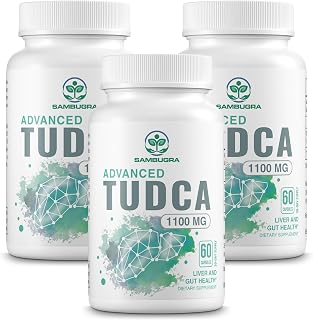
In the landscape of health supplementation, few compounds generate as much diverse interest as tauroursodeoxycholic acid (TUDCA). From its foundational role in liver health to emerging applications in neuroprotection and metabolic regulation, TUDCA is frequently discussed across forums, scientific literature, and among health-conscious individuals. However, separating robust evidence from speculative claims is crucial, especially when considering its potential benefits for specific populations like bodybuilders, biohackers, and those managing chronic health conditions.
This comprehensive review, updated for 2026, aims to provide an evidence-based perspective on TUDCA’s mechanisms and documented effects. We will critically examine the research, highlighting what is genuinely supported by human trials and preclinical studies, while also acknowledging the limitations and areas requiring further investigation. Our goal is to equip you with a precise understanding of TUDCA’s therapeutic potential.
As an Amazon Associate, TUDCAHub earns from qualifying purchases. This helps support our research and content creation.
What is TUDCA? Understanding Its Origin and Function
TUDCA is a hydrophilic bile acid, a naturally occurring compound in small amounts within the human body. It is a taurine conjugate of ursodeoxycholic acid (UDCA), which itself is a secondary bile acid produced by intestinal bacteria.
Bile acids are synthesized in the liver from cholesterol and play critical roles in fat digestion and absorption in the small intestine. Beyond digestion, bile acids act as signaling molecules, regulating various metabolic pathways, including glucose and lipid homeostasis.
The unique amphipathic structure of TUDCA allows it to interact with both aqueous and lipid environments, contributing to its diverse biological activities. Its cytoprotective properties are largely attributed to its ability to stabilize cell membranes and mitigate cellular stress responses.
TUDCA for Liver Protection and Cholestasis
The most well-established application of TUDCA and its precursor UDCA is in liver health, particularly for cholestatic liver diseases. Cholestasis refers to a reduction or stoppage of bile flow, leading to the accumulation of toxic bile acids within hepatocytes.
TUDCA’s mechanism of action in the liver involves several pathways. It can displace more hydrophobic, toxic bile acids, making the bile more hydrophilic and less damaging to hepatocytes. TUDCA also stimulates bile flow, helping to clear accumulated toxins.
Clinical trials have primarily focused on UDCA for conditions like primary biliary cholangitis (PBC), where it is a first-line treatment. TUDCA, being a taurine conjugate, is thought to share many of these benefits, with some preclinical studies suggesting superior cytoprotective effects in certain contexts due to its enhanced solubility and cellular uptake.
Addressing Liver Stress from Oral Anabolic Steroids
Oral anabolic androgenic steroids (AAS), particularly 17-alpha-alkylated compounds, are known to induce hepatotoxicity by disrupting bile flow and causing oxidative stress. This can lead to elevated liver enzymes and, in severe cases, cholestatic jaundice.

While direct human trials on TUDCA specifically for AAS-induced hepatotoxicity are limited, the theoretical basis for its use is strong. Its established role in improving bile flow and protecting hepatocytes from toxic bile acid accumulation suggests a potential benefit.

Users often incorporate TUDCA as a prophylactic or supportive agent during oral steroid cycles. However, it is crucial to understand that TUDCA does not negate the inherent risks of AAS use and should not be seen as a license for indiscriminate use or exceeding recommended dosages. Regular liver function monitoring remains paramount.
TUDCA and Metabolic Syndrome: Insulin Sensitivity and Glucose Homeostasis
Beyond its hepatic roles, TUDCA has garnered attention for its potential impact on metabolic health. Research indicates that TUDCA can improve insulin sensitivity, particularly in conditions characterized by insulin resistance.
A notable human study demonstrated that TUDCA significantly improved insulin sensitivity in muscle and liver in obese, insulin-resistant individuals.[1] That trial randomised 20 obese adults to 1,750 mg per day of TUDCA or placebo for four weeks, and hepatic and muscle insulin sensitivity rose by roughly 30 percent, with no improvement in adipose tissue. This effect is usually attributed to a reduction in endoplasmic reticulum (ER) stress, a cellular pathway implicated in the development of insulin resistance. One caveat is worth stating plainly: that same trial measured ER stress markers in muscle and adipose tissue and found no change in them, so the ER stress explanation rests on animal work rather than on anything this human study confirmed.
ER stress can impair insulin signaling, leading to elevated blood glucose levels. By mitigating ER stress, TUDCA helps restore normal cellular responses to insulin. This makes it a compound of interest for individuals managing type 2 diabetes or metabolic syndrome.
Neuroprotective Potential: From ALS to Alzheimer’s
Perhaps one of the most intriguing and rapidly evolving areas of TUDCA research is its neuroprotective capacity. TUDCA’s ability to cross the blood-brain barrier and its generalized anti-apoptotic and anti-inflammatory properties have positioned it as a candidate for various neurodegenerative diseases.
Preclinical studies have shown TUDCA to protect neurons from various insults, including excitotoxicity, oxidative stress, and ER stress. These cellular stressors are common pathological features across a spectrum of neurological disorders.
Amyotrophic Lateral Sclerosis (ALS) and Huntington’s Disease
In the context of ALS, a devastating motor neuron disease, TUDCA has shown promise in animal models by improving motor function and survival. A small phase 2 clinical trial in humans with ALS suggested that TUDCA, when combined with sodium phenylbutyrate, might slow disease progression.[2] That trial, CENTAUR, randomised 137 participants and reported a slower decline on the ALS Functional Rating Scale over 24 weeks, though its secondary outcomes did not differ significantly from placebo.
The follow-up matters more than the phase 2 result, and it went the other way. The larger phase 3 PHOENIX trial found no change in the ALS Functional Rating Scale total score at 48 weeks, and the sponsor subsequently began withdrawing the combination product from the US and Canadian markets.[3] A separate line of research has tested TUDCA on its own rather than in combination: a 34-patient proof-of-principle trial reported slower functional decline over 54 weeks, but at that size it is preliminary rather than confirmatory.[4]
Similarly, in models of Huntington’s disease, TUDCA has demonstrated neuroprotective effects by reducing neuronal loss and improving behavioral deficits. These findings are encouraging but require larger, well-controlled human trials to confirm efficacy.
Alzheimer’s and Parkinson’s Disease
TUDCA’s role in mitigating ER stress and inflammation also extends to models of Alzheimer’s and Parkinson’s disease. Preclinical research suggests it can reduce amyloid-beta plaque formation and tau hyperphosphorylation in Alzheimer’s models, and protect dopaminergic neurons in Parkinson’s models.
While these preclinical results are compelling, human data for TUDCA as a standalone treatment for Alzheimer’s or Parkinson’s is currently very limited. Its potential is largely based on its broad cellular protective mechanisms, which are relevant to the multifactorial pathology of these diseases.


TUDCA vs. UDCA: A Comparative Overview
While UDCA (ursodeoxycholic acid) is a well-established pharmaceutical for cholestatic liver diseases, TUDCA (tauroursodeoxycholic acid) is its taurine-conjugated counterpart. The taurine conjugation enhances TUDCA’s hydrophilicity and stability, potentially affecting its pharmacokinetics and cellular interactions.
Some preclinical studies suggest TUDCA may have superior cytoprotective effects in certain experimental models due to better cellular uptake or more potent anti-apoptotic signaling. However, direct head-to-head human clinical trials comparing their efficacy across all potential applications are scarce. The main exception is primary biliary cholangitis, where a 199-patient randomised double-blind trial compared TUDCA against UDCA at the same dose for 24 weeks and found no significant difference on the primary endpoint, the proportion of patients whose alkaline phosphatase fell by more than 25 percent, with comparable adverse event rates in both arms.[5]
UDCA has a longer history of clinical use and a more extensive evidence base for specific liver conditions. TUDCA’s emerging applications in neuroprotection and metabolic health are often explored due to its enhanced properties and distinct cellular mechanisms.
| Feature | UDCA (Ursodeoxycholic Acid) | TUDCA (Tauroursodeoxycholic Acid) |
|---|---|---|
| Chemical Structure | Secondary bile acid | Taurine conjugate of UDCA |
| Hydrophilicity | Hydrophilic | More hydrophilic than UDCA |
| Primary Clinical Use | Primary Biliary Cholangitis (PBC), Gallstones | Investigational for various conditions; adjunct for liver support |
| Neuroprotective Research | Limited | Extensive preclinical; some early human trials (ALS) |
| Metabolic Benefits | Some evidence for insulin sensitivity | Stronger preclinical evidence for insulin sensitivity via ER stress reduction |
| Availability | Prescription medication | Dietary supplement |
Considerations for Supplementation and Product Selection
When considering TUDCA supplementation, selecting a high-quality product is essential. Due to its increasing popularity, the market has seen an influx of various formulations and potencies.
Look for products from reputable manufacturers that provide third-party testing for purity and potency. Verification of the active ingredient and absence of contaminants is crucial for safety and efficacy.
Typical dosages in human studies range widely depending on the condition being investigated. The 250 mg to 1,000 mg per day range common on supplement labels sits at the lower end of what trials have actually used: 750 mg per day in primary biliary cholangitis,[5] 1,750 mg per day in the insulin sensitivity trial,[1] and 2,000 mg per day in both the ALS[4] and progressive multiple sclerosis[6] trials. Higher trial doses are not an argument for taking more; they were given to patients with diagnosed disease under medical supervision. It is advisable to consult with a healthcare professional before initiating TUDCA, particularly if you have pre-existing medical conditions or are taking other medications.
Product Types to Consider
When searching for TUDCA, you will typically encounter a few common product formats:
High-potency TUDCA capsules: These usually offer 250 mg or 500 mg per capsule, allowing for flexible dosing. They are convenient for daily use and travel.
Bulk TUDCA powder: For those who prefer to precisely measure their dosage or mix it with other supplements, TUDCA powder can be a cost-effective option. Ensure it comes with a measuring scoop.
TUDCA liver support complexes: Some products combine TUDCA with other liver-supportive ingredients like milk thistle, NAC, or alpha-lipoic acid. While potentially synergistic, ensure the TUDCA dosage is adequate within the blend.
Conclusion: A Promising Compound with Evolving Evidence
TUDCA is a fascinating bile acid with a multifaceted biological profile. Its established role in liver protection, particularly in cholestatic conditions, is well-supported by both preclinical and clinical data. For individuals seeking liver support, especially those engaging in activities that may stress hepatic function, TUDCA presents a scientifically plausible adjunct.

The emerging evidence for TUDCA’s benefits in metabolic health, particularly in improving insulin sensitivity, is compelling and warrants further investigation. Its neuroprotective potential against a range of neurodegenerative diseases, while largely in preclinical stages or early human trials, positions TUDCA as a compound of significant scientific interest for biohackers and longevity enthusiasts.

It is crucial to approach TUDCA supplementation with an understanding of the current evidence base. While TUDCA offers considerable promise, it is not a panacea. Always prioritize consulting with a healthcare professional before integrating new supplements into your regimen, especially when managing existing health conditions.
Frequently Asked Questions (FAQ)
Is TUDCA safe for long-term use?
Long-term safety data for TUDCA in healthy individuals is less extensive than for UDCA. In clinical trials for specific conditions, TUDCA has generally shown a good safety profile at therapeutic doses. However, continuous, unsupervised long-term use should be discussed with a healthcare provider.
Can TUDCA replace prescription liver medications?
No, TUDCA should not replace prescribed liver medications without explicit medical advice. For conditions like primary biliary cholangitis, UDCA is a first-line therapy with extensive evidence. TUDCA may be considered an adjunct but not a substitute.
What are the common side effects of TUDCA?
At recommended doses, TUDCA is generally well-tolerated. Some individuals may experience mild gastrointestinal upset, such as diarrhea, nausea, or abdominal discomfort. These effects are typically transient and dose-dependent.
How quickly does TUDCA work for liver support?
The timeline for TUDCA’s effects can vary. For acute liver stress, some individuals may notice improvements in markers like liver enzymes within weeks. For chronic conditions, benefits may take longer to manifest and require consistent supplementation.
Is TUDCA beneficial for bodybuilding or muscle growth directly?
TUDCA does not directly promote muscle growth. Its utility for bodybuilders primarily stems from its potential to support liver health, particularly during cycles involving oral anabolic steroids. Its metabolic benefits, such as improved insulin sensitivity, might indirectly support nutrient partitioning and overall metabolic efficiency, which can be relevant to body composition goals.
Can TUDCA interact with other medications?
Yes, TUDCA can potentially interact with certain medications, especially those that affect bile acid metabolism or are metabolized by the liver. It’s crucial to inform your doctor about all supplements you are taking to avoid adverse interactions.
These statements have not been evaluated by the FDA. This product is not intended to diagnose, treat, cure, or prevent any disease.
References
- Kars M et al. Tauroursodeoxycholic Acid may improve liver and muscle but not adipose tissue insulin sensitivity in obese men and women. Diabetes (2010). PMID 20522594
- Paganoni S et al. Trial of Sodium Phenylbutyrate-Taurursodiol for Amyotrophic Lateral Sclerosis. N Engl J Med (2020). PMID 32877582
- Ketabforoush A et al. Sodium Phenylbutyrate and Tauroursodeoxycholic Acid: A Story of Hope Turned to Disappointment in Amyotrophic Lateral Sclerosis Treatment. Clin Drug Investig (2024). PMID 38909349
- Elia AE et al. Tauroursodeoxycholic acid in the treatment of patients with amyotrophic lateral sclerosis. Eur J Neurol (2016). PMID 25664595
- Ma H et al. A multicenter, randomized, double-blind trial comparing the efficacy and safety of TUDCA and UDCA in Chinese patients with primary biliary cholangitis. Medicine (Baltimore) (2016). PMID 27893675
- Ladakis DC et al. Bile acid metabolites predict multiple sclerosis progression and supplementation is safe in progressive disease. Med (2025). PMID 39447576
These statements have not been evaluated by the Food and Drug Administration. This information is not intended to diagnose, treat, cure, or prevent any disease. Content is for informational purposes only and is not medical advice; consult a qualified healthcare provider before starting any supplement. As an Amazon Associate we earn from qualifying purchases.