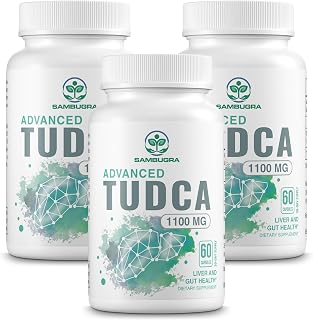
TUDCA is a bile acid, and bile acids exist primarily to solubilize dietary fat and fat-soluble vitamins in the small intestine. Most TUDCA content focuses on its liver-protective and neuroprotective roles, but readers researching digestive symptoms — bloating, greasy or floating stools, discomfort after fatty meals — often want to know whether bile acid supplementation, including TUDCA specifically, is relevant to those symptoms and whether it differs meaningfully from bile acid deficiency more broadly.
This article reviews what happens physiologically when bile acid output or signaling is disrupted, what direct TUDCA research exists in digestive-symptom contexts, and where the evidence is thin enough that readers should be cautious about extrapolating from TUDCA’s liver research to digestive-symptom claims. Nothing here constitutes medical advice.
Key Takeaways
- Bile acid deficiency or malabsorption can cause bloating, steatorrhea (pale, greasy, floating stools), fat-soluble vitamin deficiency, and discomfort after fatty meals—this is well-established digestive physiology, separate from any specific TUDCA claim.
- Direct TUDCA research in a digestive-symptom context is limited; the clearest evidence comes from an animal pancreatitis model, where TUDCA supplementation improved intestinal barrier injury alongside pancreatic injury via bile acid signaling [1].
- A pediatric case report of a genetic bile acid synthesis disorder showed that conjugated bile acid replacement (a different compound, glycodeoxycholic acid) corrected malabsorption and improved growth [2], illustrating the broader principle that restoring adequate conjugated bile acids can reverse malabsorption symptoms in bile-acid-deficient states.
- Bile acid diarrhea (excess, not deficient, bile acid reaching the colon) is a distinct and more common digestive condition with its own diagnostic and treatment pathway [3]—TUDCA supplementation is not a treatment for this condition and could plausibly worsen it.
- No clinical trial has tested TUDCA specifically for bloating, IBS-like symptoms, or fat malabsorption in humans without an underlying diagnosed condition such as cholestasis.
What Bile Acids Do in Digestion
Bile acids are synthesized in the liver from cholesterol, concentrated and stored in the gallbladder, and released into the small intestine after a meal (particularly a fat-containing meal). There they act as biological detergents, emulsifying dietary fat into micelles small enough for digestive enzymes to break down and for the intestinal lining to absorb, alongside the fat-soluble vitamins A, D, E, and K that travel with dietary fat. Roughly 95% of secreted bile acids are then reabsorbed in the terminal ileum and recycled back to the liver in a loop called enterohepatic circulation.

When bile acid output is inadequate — from reduced liver production, impaired gallbladder release, obstruction, or surgical removal of the gallbladder — fat digestion becomes inefficient. Undigested fat reaching the colon causes symptoms collectively described as fat malabsorption: bloating, cramping, pale or floating stools (steatorrhea), and over time, deficiencies in fat-soluble vitamins if the condition is chronic and unaddressed.
Where TUDCA Fits: Cholestasis Versus General Digestive Symptoms
TUDCA’s clinical and research use case is overwhelmingly focused on cholestasis — conditions where bile flow from the liver is reduced or obstructed, causing bile acids to accumulate in the liver rather than reach the intestine normally. In that context, TUDCA’s choleretic (bile-flow-promoting) properties are directly relevant: it can help restore bile secretion in cholestatic liver disease, which is a well-documented use covered in TUDCA’s cholestasis-specific research.
This is a narrower and more specific claim than “TUDCA helps digestion generally.” A person with normal liver and biliary function experiencing occasional bloating after fatty meals does not have the same underlying physiology as a patient with diagnosed cholestasis, and TUDCA’s cholestasis evidence does not automatically generalize to non-cholestatic digestive discomfort. The distinction matters for setting realistic expectations.
Direct Evidence: TUDCA in an Animal Pancreatitis and Intestinal Injury Model
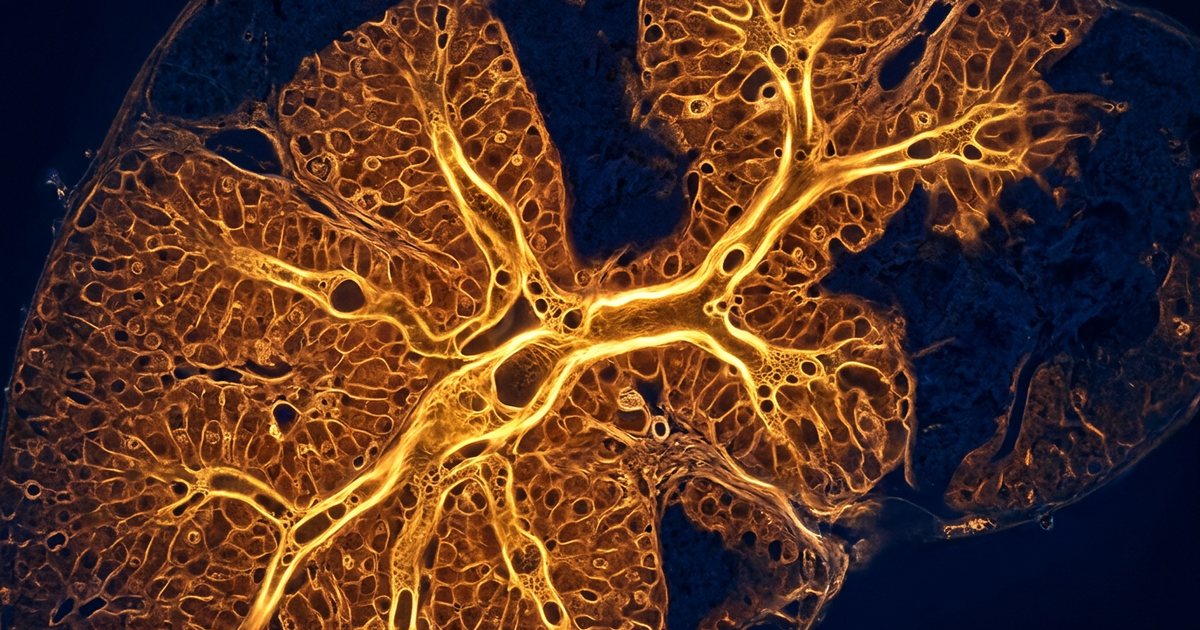
The clearest direct TUDCA research relevant to digestive-tract symptoms (rather than liver bile flow specifically) comes from a mouse model of acute pancreatitis. Researchers found that pancreatitis mice had significantly reduced circulating TUDCA levels alongside gut microbiota imbalance, and that gavaging the mice with TUDCA improved bile acid-FXR-FGF15 signaling while reducing both pancreatic and intestinal barrier injury [1].

This finding connects TUDCA deficiency to intestinal barrier dysfunction in a specific disease model, and supplementation partially reversed that dysfunction [1]. It is an acute-pancreatitis model in mice, not a study of everyday bloating or IBS-like symptoms in otherwise healthy people, so its relevance to a general digestive-discomfort audience is mechanistic rather than direct. It does, however, demonstrate that restoring TUDCA specifically (not just any bile acid) can measurably improve intestinal barrier integrity in a bile-acid-deficient disease state.
What Happens When Bile Acid Deficiency Is Corrected: A Case Report
A useful, if indirect, illustration of the broader principle comes from a 2024 pediatric case report describing a child with a rare genetic bile acid synthesis disorder (3β-hydroxy-Δ5-C27-steroid-oxidoreductase deficiency), who could not produce normal conjugated bile acids and presented with fat malabsorption and growth failure. Treatment with glycodeoxycholic acid — a different conjugated bile acid, not TUDCA — corrected the bile acid deficiency and reversed the malabsorption and growth impairment [2].
This case does not test TUDCA and should not be read as TUDCA-specific evidence. What it illustrates is the general principle underlying bile-acid-deficiency digestive symptoms: when the body cannot produce adequate conjugated bile acids, supplying a conjugated bile acid replacement can correct downstream malabsorption symptoms. Whether TUDCA supplementation provides a comparable benefit in less severe, non-genetic digestive discomfort has not been directly studied.

The Important Distinction: Bile Acid Deficiency Versus Bile Acid Diarrhea
Readers researching digestive symptoms and bile acids should be aware of a condition that runs in the opposite direction: bile acid diarrhea (also called bile acid malabsorption), where excess bile acids reach the colon — typically because the terminal ileum fails to reabsorb them properly — and irritate the colonic lining, causing urgent, watery diarrhea rather than the bloating and steatorrhea pattern of bile acid deficiency [3].
This is a distinct diagnosis with its own workup (often a SeHCAT scan or trial of a bile acid sequestrant medication) and is more common than primary bile acid deficiency in general gastroenterology practice. Because the physiology runs opposite to deficiency, adding a bile acid supplement such as TUDCA in a case of bile acid diarrhea would not be expected to help, and could plausibly worsen symptoms. Anyone with chronic diarrhea, particularly urgent or fat-associated diarrhea, should be evaluated by a gastroenterologist before assuming a bile acid deficiency explanation or trying bile acid supplementation.
Honest Assessment: What the Evidence Can and Cannot Tell Us
TUDCA’s direct evidence for general digestive symptoms — bloating, fat malabsorption discomfort, IBS-like symptoms in people without a diagnosed bile acid or liver condition — is thin. The strongest direct data point is an acute pancreatitis mouse model, and the case-report evidence for correcting bile acid deficiency uses a different compound entirely. TUDCA’s genuinely well-supported digestive-adjacent use case remains cholestatic liver disease, where bile flow restoration is the documented mechanism, not general digestive comfort.
People experiencing ongoing bloating, greasy stools, or discomfort after fatty meals should be evaluated for an underlying cause — gallbladder disease, pancreatic insufficiency, bile acid diarrhea, small intestinal bacterial overgrowth, and food intolerances are all more common explanations with established diagnostic pathways — rather than starting TUDCA as a first-line self-treatment for undiagnosed digestive symptoms.
Frequently Asked Questions
Can TUDCA help with bloating?
There is no direct clinical evidence that TUDCA reduces bloating in people without a diagnosed bile acid or liver condition. TUDCA’s documented digestive-relevant mechanism is restoring bile flow in cholestatic liver disease; general bloating has many other more common causes that should be evaluated first.
Is TUDCA the same as a digestive enzyme?
No. TUDCA is a bile acid that helps emulsify fat for digestion; it does not contain the lipase, amylase, or protease enzymes found in digestive enzyme supplements or ox bile products, and it works through a different physiological pathway.
Could TUDCA make diarrhea worse?
It could, in a specific scenario. Bile acid diarrhea results from excess, not deficient, bile acids reaching the colon [3]. Someone with this condition adding a bile acid supplement would not be expected to benefit and could worsen symptoms. Chronic diarrhea should be diagnosed by a gastroenterologist before trying any bile acid supplement.
What digestive conditions is TUDCA actually studied for?
TUDCA’s best-documented digestive-system research is in cholestatic liver conditions (where bile flow from the liver is impaired) and, separately, in gut barrier and microbiome research in disease models such as NAFLD and induced colitis. Direct evidence for everyday bloating or IBS-like symptoms in otherwise healthy people is limited.
Who should avoid TUDCA for digestive symptoms?
Anyone with undiagnosed chronic diarrhea, suspected bile acid diarrhea, active gallstones, or bile duct obstruction should see a gastroenterologist rather than self-treating with TUDCA. TUDCA is contraindicated in bile duct obstruction and requires medical supervision for people with existing gallbladder or liver conditions.

References
- Bile Acid Supplementation Improves Murine Pancreatitis in Association With the Gut Microbiota. Frontiers in physiology (2020).
- Glycodeoxycholic acid as alternative treatment in 3β-hydroxy-Δ5-C(27)-steroid-oxidoreductase: a case report. Frontiers in pediatrics (2024).
- Primary Bile Acid Diarrhea: A Narrative Review of Pathophysiology, Diagnostic Challenges, and Emerging Therapeutic Strategies. Cureus (2026).
These statements have not been evaluated by the Food and Drug Administration. This information is not intended to diagnose, treat, cure, or prevent any disease. Content is for informational purposes only and is not medical advice; consult a qualified healthcare provider before starting any supplement. As an Amazon Associate we earn from qualifying purchases.