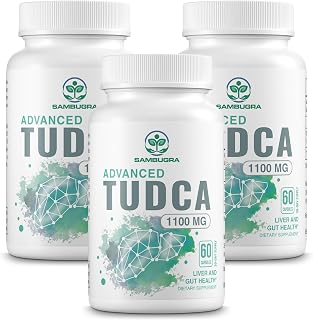
TUDCA, short for tauroursodeoxycholic acid, is a naturally occurring bile acid formed when the liver conjugates ursodeoxycholic acid (UDCA) with the amino acid taurine. It is found in small amounts in human bile and has been used in traditional East Asian medicine for centuries, long before researchers began mapping out why it might benefit cells under stress.
Over the past two decades, laboratory and clinical researchers have identified several distinct pathways through which TUDCA appears to act. These range from reducing a form of cellular stress that occurs inside a compartment called the endoplasmic reticulum, to blunting signals that trigger programmed cell death, to promoting healthier bile flow. Understanding these mechanisms helps clarify both the genuine promise of TUDCA and the significant limits of the current evidence base.
Key Takeaways
- TUDCA is a water-soluble, taurine-conjugated bile acid that appears to act through at least three distinct mechanisms: reducing ER stress, inhibiting mitochondrial apoptosis, and promoting choleretic bile flow.
- Its ER stress-relieving ‘chemical chaperone’ effect is one of the most studied mechanisms and may connect its hepatoprotective, neuroprotective, and metabolic effects under a single conceptual umbrella.
- Clinical evidence is strongest for cholestatic liver disease; research in neurodegenerative conditions, retinal disease, ALS, and insulin resistance is promising but largely preclinical or early-phase.
- TUDCA is contraindicated in bile duct obstruction and requires medical supervision for individuals with gallbladder disease, cholangitis, or severe liver impairment.
- Large-scale, long-term randomized controlled trials in healthy humans are lacking; most mechanistic data come from cell cultures and animal models.
What TUDCA Is and Where It Comes From
Bile acids are molecules produced in the liver from cholesterol. They are essential for emulsifying dietary fats in the small intestine. Most bile acids are hydrophobic, meaning they repel water, and at high concentrations they can become toxic to liver cells. TUDCA is unusual because it is hydrophilic—it mixes readily with water—which makes it far less damaging to cell membranes than bile acids like deoxycholic acid or chenodeoxycholic acid.
The taurine conjugation that distinguishes TUDCA from plain UDCA further increases its water solubility and alters how it is transported in and out of cells.[1] This structural difference is not cosmetic. It appears to underlie many of TUDCA’s cytoprotective properties, and the long-standing explanation was that hydrophilic bile acids simply compete with and displace more toxic hydrophobic ones from the bile pool. That explanation is weaker than it sounds: when researchers actually measured the pool sizes of the major hydrophobic bile acids in people with chronic cholestatic liver disease, liver blood tests improved without those pools shrinking, so displacement cannot be the whole story.[2]
Endoplasmic Reticulum Stress Relief: The Chemical Chaperone Effect
The endoplasmic reticulum (ER) is the cellular compartment responsible for folding newly made proteins into their correct three-dimensional shapes. When the ER is overwhelmed—due to disease, nutrient excess, oxygen deprivation, or toxin exposure—misfolded proteins accumulate and trigger a response called the unfolded protein response (UPR). Sustained UPR activation leads to inflammation and cell death, and it has been implicated in conditions ranging from liver disease to neurodegeneration and type 2 diabetes.[3]
TUDCA is classified as a chemical chaperone, meaning it appears to physically stabilize proteins and help them fold correctly, thereby reducing the burden on the ER’s own folding machinery. By dampening pathological UPR signaling—particularly activation of sensors such as IRE1, PERK, and ATF6—TUDCA may prevent the downstream cascade that would otherwise commit a cell to apoptosis. This ER-stress-relieving mechanism is one of the most widely studied aspects of TUDCA’s biology and forms the theoretical basis for research into its use in metabolic disease and neurodegeneration.[4]

It is important to note that most of the detailed mechanistic work on ER stress has been conducted in cell cultures and animal models. Translating these findings to clinical outcomes in humans requires well-designed randomized controlled trials, and those remain limited outside of cholestatic liver conditions.
Inhibiting the Mitochondrial Apoptosis Pathway
When cells receive signals to self-destruct—whether from toxic bile acids, oxidative damage, or disease—one of the primary routes to death involves the mitochondria. Proteins in the Bcl-2 family regulate this pathway. Pro-death members such as Bax migrate to the mitochondrial outer membrane and cause it to become permeable, releasing cytochrome c into the cytoplasm. Cytochrome c then assembles a complex called the apoptosome, which activates caspase enzymes and executes cell death.
Research in cell and animal models suggests that TUDCA can interfere with this cascade at multiple points. It appears to inhibit Bax translocation to mitochondria, help maintain mitochondrial membrane integrity, and reduce cytochrome c release.[5] The practical consequence is that cells exposed to otherwise lethal stressors may survive longer when TUDCA is present. This anti-apoptotic activity is particularly relevant to liver hepatocytes under cholestatic stress and to neurons, which are highly sensitive to mitochondrial dysfunction.
Again, these mechanistic insights come predominantly from preclinical settings. Whether and to what extent TUDCA modulates apoptosis in living humans at doses people actually take remains an open research question.
Choleretic Action: Protecting the Liver Through Better Bile Flow
TUDCA has well-established choleretic activity, meaning it stimulates the liver to produce and secrete more bile. In cholestatic conditions—where bile cannot flow properly and toxic bile acids build up inside liver cells—displacing hydrophobic bile acids with hydrophilic ones like TUDCA reduces hepatocyte injury. This is the mechanism most firmly supported by clinical evidence and forms the basis for regulatory approval of related compounds in primary biliary cholangitis.[6][7]
TUDCA and its parent compound UDCA appear to stimulate bile acid transport proteins on the surfaces of liver cells, encouraging the export of bile into the bile canaliculi.[8] By enriching the bile pool with less toxic species, TUDCA effectively gives stressed liver cells a more hospitable environment. This makes it distinct from simply blocking cell death signals—it addresses an upstream cause of liver injury in cholestatic disease.
Neuroprotection and Retinal Cell Survival
Perhaps the most clinically compelling emerging area is TUDCA’s potential neuroprotective role. In animal models of retinal degeneration, ALS, Parkinson’s disease, Huntington’s disease, and stroke, TUDCA administration has been associated with reduced neuronal loss. The proposed mechanisms overlap with those described above: attenuation of ER stress, suppression of mitochondrial apoptosis, and reduction of inflammatory signaling.

In retinal cells, photoreceptors appear to be particularly sensitive to ER stress, and preclinical data suggest TUDCA can slow their degeneration in inherited retinal dystrophy models.[9][10] TUDCA has also been investigated in early-phase human clinical trials for ALS, where it was well tolerated and a small randomized trial reported slower functional decline. That signal has not been confirmed at scale for TUDCA on its own, and the nearest large test was discouraging: a fixed combination of sodium phenylbutyrate and taurursodiol reached the market on Phase II data, then the Phase III PHOENIX trial found no change in ALSFRS-R total score at 48 weeks and the sponsor voluntarily withdrew the marketing authorization.[11][12] These human data are preliminary and should not be interpreted as proof of efficacy.
The neuroprotection hypothesis is scientifically plausible because the same ER stress and mitochondrial apoptosis pathways implicated in liver injury are also central to neuronal death in many conditions. However, the brain and retina are separated from systemic circulation by specialized barriers, and how much TUDCA actually reaches neural tissue in humans after oral dosing is not fully established.
Metabolic Effects: Insulin Signaling and Glucose Regulation
ER stress in liver and adipose tissue is now recognized as a contributor to insulin resistance, because a stressed ER impairs normal insulin receptor signaling. Animal studies have shown that reducing hepatic ER stress with chemical chaperones, including TUDCA, can improve insulin sensitivity and lower blood glucose in obese and diabetic models. A small randomized trial in obese adults found that four weeks of TUDCA at 1,750 mg per day increased liver and muscle insulin sensitivity by roughly 30 percent while adipose tissue did not change,[13] though the evidence is not yet sufficient to support recommending it for metabolic disease management.
Bile acids are also signaling molecules in their own right. They activate receptors including TGR5 and FXR, which play roles in glucose metabolism, energy expenditure, and gut hormone secretion.[14] TUDCA’s interactions with these receptors may contribute to its metabolic effects, though the relative contribution of each pathway in humans is not yet clear.

🛒 Where to Buy TUDCA
- BulkSupplements.com TUDCA CapsulesLab-tested / studied
capsules, 500 mg per capsule, 90 capsules — Third-party tested and made in a cGMP facility; one capsule per serving; higher per-capsule dose suits users targeting 500–1000 mg/day protocols - Nutricost TUDCA 250mg
capsules, 250 mg per capsule, 60 capsules — High-volume seller; non-GMO and gluten-free labeling; no third-party purity COA publicly posted, but consistent community reputation for accurate dosing - Double Wood Supplements TUDCA Bile Salts 500mg
capsules, 500 mg per capsule, 60 capsules — USA-manufactured; publishes basic COA on request; popular among biohacker community for reliable potency at accessible price point - Nutricost TUDCA Powder
powder, 25 g tub — Best cost-per-gram option for daily high-dose users; gluten-free, same material as their capsule line; requires a milligram-accurate scale for precise dosing
As an Amazon Associate we earn from qualifying purchases. TUDCA quality varies widely — always choose a product that publishes a third-party purity test (COA) confirming 98%+ tauroursodeoxycholic acid before buying.
A Note on the Evidence
The mechanistic research on TUDCA is genuinely interesting, but most detailed pathway data come from cell cultures and animal studies, and robust large-scale randomized controlled trials in healthy humans remain limited outside of cholestatic liver disease. TUDCA is not appropriate for everyone—it is contraindicated in bile duct obstruction and requires medical supervision in patients with gallbladder disease, cholangitis, or significant liver impairment—so consult a qualified healthcare provider before using it, especially if you take immunosuppressants, bile acid sequestrants, or lipid-lowering medications.
Frequently Asked Questions
Is TUDCA the same as UDCA?
No. UDCA (ursodeoxycholic acid) is the parent bile acid, while TUDCA is its taurine conjugate. Taurine conjugation makes TUDCA more hydrophilic and alters its transport characteristics, which may contribute to differences in potency and tolerability. Both are used therapeutically, but TUDCA is not simply a stronger version of UDCA—their profiles differ in ways that are still being characterized.[1]
How does TUDCA reduce endoplasmic reticulum stress?
TUDCA acts as a chemical chaperone, meaning it can stabilize protein structures and help misfolded proteins refold correctly. This reduces the load on the ER’s folding machinery and damps down the unfolded protein response (UPR). By moderating UPR sensors such as IRE1, PERK, and ATF6, TUDCA may prevent the downstream inflammatory and pro-death signaling that sustained ER stress triggers. This mechanism has been demonstrated primarily in cell and animal studies.[3][4]
Can TUDCA protect the liver from toxic bile acids?
Yes, and this is the most clinically established mechanism, though not for the reason usually given. Displacement of toxic hydrophobic bile acids from the bile pool is the traditional explanation, but human kinetic studies found liver blood tests improving without any fall in those pools. The better-supported account is that TUDCA stimulates secretion directly, including by inserting bile acid transport proteins into the canalicular membrane of cholestatic liver cells, which reduces hepatocyte exposure to damaging species. This choleretic and cytoprotective action underpins regulatory approval of related compounds in primary biliary cholangitis.[2][8][6]
Is there evidence TUDCA helps with neurological conditions in humans?
Early-phase human clinical trials have investigated TUDCA in ALS and found it to be generally well tolerated, and a small randomized trial reported slower functional decline, but definitive evidence of clinical efficacy has not been established. A fixed combination of sodium phenylbutyrate and taurursodiol was approved and then withdrawn after the Phase III PHOENIX trial showed no change in ALSFRS-R total score at 48 weeks. Most neuroprotection data come from animal models where TUDCA reduced neuronal loss in conditions including retinal degeneration, Parkinson’s, and Huntington’s models. These results are scientifically interesting but not yet sufficient to make therapeutic recommendations.[11][12]
Who should not take TUDCA?
TUDCA is contraindicated in anyone with bile duct obstruction. Individuals with existing gallbladder disease, cholangitis, or severe hepatic impairment should only use it under medical supervision. It may interact with bile acid sequestrants, cyclosporine, and certain lipid-lowering medications. Pregnant or breastfeeding individuals should avoid it unless directed by a physician.
Does TUDCA improve insulin sensitivity?
Animal studies and some small human pilot investigations suggest TUDCA may improve insulin sensitivity by reducing hepatic ER stress, which is a recognized contributor to insulin resistance. However, the human data are preliminary, derived from small studies, and do not yet support recommending TUDCA as a treatment for metabolic disease. Larger, well-controlled trials are needed before any conclusions can be drawn.[13]
References
- Invernizzi et al. Differences in the metabolism and disposition of ursodeoxycholic acid and of its taurine-conjugated species in patients with primary biliary cirrhosis. Hepatology (1999). PMID 9918905
- Beuers et al. Effect of ursodeoxycholic acid on the kinetics of the major hydrophobic bile acids in health and in chronic cholestatic liver disease. Hepatology (1992). PMID 1551637
- Hetz et al. The Unfolded Protein Response and Cell Fate Control. Mol Cell (2018). PMID 29107536
- Ozcan et al. Chemical chaperones reduce ER stress and restore glucose homeostasis in a mouse model of type 2 diabetes. Science (2006). PMID 16931765
- Rodrigues et al. Tauroursodeoxycholic acid prevents Bax-induced membrane perturbation and cytochrome C release in isolated mitochondria. Biochemistry (2003). PMID 12627974
- Crosignani et al. Tauroursodeoxycholic acid for treatment of primary biliary cirrhosis. A dose-response study. Dig Dis Sci (1996). PMID 8674405
- Ma et al. A multicenter, randomized, double-blind trial comparing the efficacy and safety of TUDCA and UDCA in Chinese patients with primary biliary cholangitis. Medicine (Baltimore) (2016). PMID 27893675
- Beuers et al. Tauroursodeoxycholic acid inserts the apical conjugate export pump, Mrp2, into canalicular membranes and stimulates organic anion secretion by protein kinase C-dependent mechanisms in cholestatic rat liver. Hepatology (2001). PMID 11343250
- Phillips et al. Tauroursodeoxycholic acid preservation of photoreceptor structure and function in the rd10 mouse through postnatal day 30. Invest Ophthalmol Vis Sci (2008). PMID 18436848
- Drack et al. TUDCA slows retinal degeneration in two different mouse models of retinitis pigmentosa and prevents obesity in Bardet-Biedl syndrome type 1 mice. Invest Ophthalmol Vis Sci (2012). PMID 22110077
- Elia et al. Tauroursodeoxycholic acid in the treatment of patients with amyotrophic lateral sclerosis. Eur J Neurol (2016). PMID 25664595
- Ketabforoush et al. Sodium Phenylbutyrate and Tauroursodeoxycholic Acid: A Story of Hope Turned to Disappointment in Amyotrophic Lateral Sclerosis Treatment. Clin Drug Investig (2024). PMID 38909349
- Kars et al. Tauroursodeoxycholic Acid may improve liver and muscle but not adipose tissue insulin sensitivity in obese men and women. Diabetes (2010). PMID 20522594
- Chiang et al. Bile acid receptors FXR and TGR5 signaling in fatty liver diseases and therapy. Am J Physiol Gastrointest Liver Physiol (2020). PMID 31984784
These statements have not been evaluated by the Food and Drug Administration. This information is not intended to diagnose, treat, cure, or prevent any disease. Content is for informational purposes only and is not medical advice; consult a qualified healthcare provider before starting any supplement. As an Amazon Associate we earn from qualifying purchases.