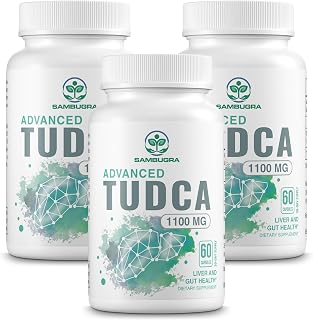
TUDCA (tauroursodeoxycholic acid) is a naturally occurring, water-soluble bile acid produced in small amounts by intestinal bacteria and found in higher concentrations in bear bile, which has been used in traditional East Asian medicine for centuries. In supplement form it is synthesized and sold primarily for liver support, though researchers are actively investigating its potential in neurodegeneration, metabolic health, and eye disease. Interest has grown sharply among biohackers and athletes, but the commercial market has outpaced the clinical evidence—so separating hype from science matters.
This guide is not a ranked product list with affiliate-driven winners. Instead it walks through what TUDCA actually does at a cellular level, what quality markers distinguish a credible supplement from a poorly made one, realistic dosing ranges drawn from clinical use, and the contraindications and drug interactions every potential user should understand before starting. No citations are fabricated here; where specific human trial data is referenced, the study is cited inline and listed in full under References — the randomised dose-ranging work in cholestatic liver disease[1] and the small randomised metabolic trial in obese adults[2] are the two human trials this guide leans on. Where the evidence is preliminary or absent, that is stated plainly: the most rigorous recent test of a TUDCA-containing therapy, the Phase 3 PHOENIX trial in ALS, found no benefit on its primary endpoint and led the sponsor to withdraw the product[3].
Key Takeaways
- TUDCA is a hydrophilic bile acid with well-characterized mechanisms (ER stress reduction, mitochondrial apoptosis inhibition) but most non-cholestasis human evidence is preliminary and from small trials.
- Third-party COAs confirming purity of 98% or higher and accurate dosing are the most important quality markers when choosing a supplement.
- Typical supplement doses (250–500 mg/day) are lower than doses used in clinical research; optimal dosing for healthy adults is not established.
- TUDCA is contraindicated in bile duct obstruction and requires medical supervision in anyone with gallbladder disease, cholangitis, or severe liver impairment.
- Interactions with bile acid sequestrants, cyclosporine, and lipid-lowering agents are plausible and warrant disclosure to a physician or pharmacist.
What TUDCA Is and How It Works
TUDCA is the taurine conjugate of ursodeoxycholic acid (UDCA), itself a clinically approved drug for primary biliary cholangitis and certain gallstone conditions. The taurine conjugation makes TUDCA more hydrophilic and more stable in the gut than UDCA, and some research suggests it may reach target tissues more efficiently. Its primary pharmaceutical approvals (where they exist) are for cholestatic liver disease, where it promotes choleretic bile flow and displaces more toxic, hydrophobic bile acids from the bile acid pool.
At the cellular level, TUDCA is best characterized by two proposed mechanisms. First, it reduces endoplasmic reticulum (ER) stress—the cellular condition in which misfolded proteins accumulate inside the ER and trigger inflammatory and apoptotic cascades. This is the mechanism most frequently cited in preclinical work on neurodegeneration, insulin resistance, and retinal cell survival. Second, it inhibits the mitochondrial pathway of apoptosis, the sequence in which damaged or stressed cells release cytochrome c from mitochondria and activate caspase enzymes that execute cell death. Neither mechanism is exclusive to TUDCA, but the compound appears to act on both simultaneously, which has made it an attractive research target.
It is important to distinguish between well-characterized mechanisms in cell culture or animal models and demonstrated efficacy in large human trials. Much of the mechanistic science for TUDCA outside cholestasis is preclinical or comes from small pilot trials. Regulatory approval as a drug exists only in limited jurisdictions and specific hepatic indications; use as a dietary supplement for liver or neurological support is off-label extrapolation from this research base.

Conditions Under Active Investigation
The strongest human evidence for TUDCA concerns cholestatic liver disease, where it is used therapeutically in some countries to relieve bile stasis and reduce liver enzyme elevations. Beyond this established use, several areas are under active but still early investigation. In ALS (amyotrophic lateral sclerosis), researchers have examined TUDCA because motor neuron death involves both ER stress and mitochondrial apoptosis pathways that TUDCA is thought to modulate; some pilot data suggested slowing of functional decline, though the trials were small and results have not been consistently replicated at scale.

Retinal degeneration is another area of interest: photoreceptor apoptosis involves ER stress signaling, and animal model data has been encouraging, but robust human RCT data is not yet available. For insulin resistance and type 2 diabetes, the hypothesis is that ER stress in pancreatic beta cells and liver tissue contributes to insulin signaling failure, and that reducing this stress with TUDCA could improve metabolic markers. A small human study found improvements in insulin sensitivity with intravenous TUDCA, but oral supplementation at typical doses may not replicate intravenous bioavailability. In short, the research is genuinely interesting across several disease areas—but the gap between preliminary signals and confirmed clinical benefit is wide in most of them.
What to Look for in a TUDCA Supplement
The supplement market for TUDCA is largely unregulated, which creates meaningful quality variance between products. The first thing to verify is third-party testing: look for certificates of analysis (COAs) from ISO-accredited labs that confirm the stated dose of TUDCA per capsule and the absence of heavy metals, microbial contamination, and common adulterants. Brands that publish COAs from recognized third parties (NSF, Informed Sport, USP, or independent labs like Eurofins or Covance) are meaningfully more trustworthy than those that do not.
Purity matters because TUDCA synthesis can leave residual solvents or intermediates if quality control is poor. A COA should specify purity as a percentage—reputable products typically list 98% or higher purity TUDCA. Capsule count and dose per capsule vary widely: many products offer 250 mg per capsule, while others offer 500 mg. The dose range used in human research for hepatic indications has generally been 10–20 mg/kg/day, meaning a 70 kg adult might use 700–1,400 mg/day in a clinical context, though lower doses (250–500 mg/day) are common in supplement use and the optimal dose for healthy adults is genuinely unknown.
Fillers, binders, and capsule materials are worth checking for those with dietary restrictions. Many TUDCA products use vegetable cellulose capsules and minimal fillers, which is appropriate. Avoid products with unnecessary proprietary blends that obscure actual TUDCA content, and be skeptical of formulations that combine TUDCA with dozens of other compounds where individual ingredient amounts cannot be verified.

Dosing Considerations for Supplement Use
There is no established recommended dietary allowance or tolerable upper limit for TUDCA as a supplement in healthy adults, because it is not an essential nutrient and regulatory agencies have not set these parameters. Clinical use in cholestatic liver disease typically involves doses of 500–1,500 mg/day divided across meals, under physician supervision with regular liver enzyme monitoring. Supplement users frequently take 250–500 mg/day, which is lower than most clinical trial doses but also carries less risk of gastrointestinal side effects such as diarrhea or abdominal cramping that have been reported at higher doses.
Taking TUDCA with meals is generally recommended to align with normal bile acid cycling and reduce the chance of GI upset. Duration of use is an open question: short-term courses (8–12 weeks) have been used in research settings, and whether indefinite daily supplementation is safe and beneficial is not established. Cycling the supplement—using it for a defined period and then pausing—is a cautious approach given the limited long-term data.
Contraindications and Drug Interactions
TUDCA is contraindicated in the presence of bile duct obstruction. If bile cannot flow normally, introducing a choleretic agent that increases bile production and flow can worsen pressure in the biliary system and cause serious harm. Anyone with known biliary obstruction, cholangitis, or gallbladder disease should not take TUDCA without explicit physician clearance and monitoring. Severe hepatic impairment is also a caution: while TUDCA is studied as a hepatoprotective agent, severely impaired liver function may alter its metabolism in unpredictable ways.

Potential drug interactions deserve attention. Bile acid sequestrants such as cholestyramine and colestipol, used to lower LDL cholesterol, bind bile acids in the gut and could theoretically reduce TUDCA absorption if taken simultaneously—timing doses at least two hours apart is prudent. Cyclosporine, an immunosuppressant, has a complex relationship with bile acid transporters, and TUDCA may affect its pharmacokinetics; this combination warrants physician oversight. Certain lipid-lowering agents that interact with bile acid metabolism may also be affected. As with any bioactive compound, full disclosure to a prescribing physician or pharmacist is essential before adding TUDCA to a regimen that includes prescription medications.
Evaluating Product Claims Honestly
Marketing language in the TUDCA supplement space frequently overstates the evidence. Claims like ‘clinically proven liver detox,’ ‘reverses liver damage,’ or ‘neurological breakthrough’ are not supported by the current body of human research for healthy individuals using oral supplements. TUDCA has a legitimately interesting and plausible mechanistic profile, and the early clinical signals in specific disease contexts are worth watching. But a plausible mechanism does not equal a proven benefit, and most people considering TUDCA as a general wellness supplement are far removed from the patient populations studied in trials.

When evaluating any TUDCA brand, look for modest, accurate language—something like ‘supports bile flow’ or ‘studied for liver health’—rather than cure or treatment claims. Look for COAs, clear dosing information, and a company that cites actual research rather than vague references to ‘studies show.’ Price should not be the primary criterion: TUDCA is a somewhat expensive compound to manufacture at high purity, and very low-priced products may reflect compromised quality rather than consumer value. A middle-market product from a brand with transparent testing practices is generally a safer choice than the most budget-friendly option on a major retail platform.
🛒 Where to Buy TUDCA
- BulkSupplements.com TUDCA CapsulesLab-tested / studied
capsules, 500 mg per capsule, 90 capsules — Third-party tested and made in a cGMP facility; one capsule per serving; higher per-capsule dose suits users targeting 500–1000 mg/day protocols - Nutricost TUDCA 250mg
capsules, 250 mg per capsule, 60 capsules — High-volume seller; non-GMO and gluten-free labeling; no third-party purity COA publicly posted, but consistent community reputation for accurate dosing - Double Wood Supplements TUDCA Bile Salts 500mg
capsules, 500 mg per capsule, 60 capsules — USA-manufactured; publishes basic COA on request; popular among biohacker community for reliable potency at accessible price point - Nutricost TUDCA Powder
powder, 25 g tub — Best cost-per-gram option for daily high-dose users; gluten-free, same material as their capsule line; requires a milligram-accurate scale for precise dosing
As an Amazon Associate we earn from qualifying purchases. TUDCA quality varies widely — always choose a product that publishes a third-party purity test (COA) confirming 98%+ tauroursodeoxycholic acid before buying.
A Note on the Evidence
The evidence for TUDCA outside established cholestatic liver disease indications remains largely preliminary, with most human trials being small and short-term; benefits for healthy adults using oral supplements are not confirmed. TUDCA is contraindicated in bile duct obstruction and should only be used under medical supervision by individuals with liver disease, gallbladder conditions, cholangitis, or anyone taking cyclosporine, bile acid sequestrants, or related medications—this article is informational only and is not a substitute for personalized medical advice.

Frequently Asked Questions
Is TUDCA safe for healthy adults to take daily?
Short-term use at moderate doses (250–500 mg/day) appears generally well tolerated in the absence of contraindications, based on its clinical use in liver disease patients. However, long-term safety data in healthy adults is not established, and use without a clear indication and without informing a physician is not something the current evidence base supports recommending.
How is TUDCA different from UDCA?
UDCA (ursodeoxycholic acid) is an FDA-approved drug for certain liver conditions. TUDCA is its taurine conjugate, which makes it more water-soluble and potentially more gut-stable. Both reduce toxic bile acid load and are choleretic, but TUDCA’s additional proposed actions on ER stress and mitochondrial apoptosis pathways have generated separate research interest, particularly in neurological and metabolic contexts.
Can TUDCA help with a fatty liver or NAFLD?
There is preclinical and limited early human data suggesting TUDCA may reduce liver ER stress and improve certain liver markers relevant to metabolic liver disease, but it is not an approved treatment for non-alcoholic fatty liver disease (NAFLD) and should not be used as a substitute for lifestyle modification, which has the strongest evidence base for NAFLD.
What are the most common side effects?
Gastrointestinal effects—loose stools, diarrhea, and abdominal cramping—are the most commonly reported side effects, particularly at higher doses. Taking TUDCA with food and starting at a lower dose may reduce these effects. Anyone experiencing significant GI symptoms, jaundice, or unusual fatigue should discontinue use and consult a physician.

Does TUDCA need to be cycled?
There is no established cycling protocol for TUDCA because long-term continuous use in healthy humans has not been well studied. A cautious approach used by some practitioners involves 8–12 week courses with breaks, mirroring research trial durations, but this is not based on proven safety data—it reflects the general principle of limiting exposure when long-term effects are unknown.
Can I take TUDCA if I have had my gallbladder removed?
Cholecystectomy (gallbladder removal) is not a formal contraindication to TUDCA, as bile acids are still produced by the liver and flow directly into the small intestine after the procedure. However, alterations in bile acid dynamics after cholecystectomy are common, and anyone with a significant surgical or gastrointestinal history should discuss TUDCA with a physician before starting it.
References
- Crosignani A et al. Tauroursodeoxycholic acid for treatment of primary biliary cirrhosis. A dose-response study. Digestive diseases and sciences (1996). PMID 8674405
- Kars M et al. Tauroursodeoxycholic Acid may improve liver and muscle but not adipose tissue insulin sensitivity in obese men and women. Diabetes (2010). PMID 20522594
- Ketabforoush A et al. Sodium Phenylbutyrate and Tauroursodeoxycholic Acid: A Story of Hope Turned to Disappointment in Amyotrophic Lateral Sclerosis Treatment. Clinical drug investigation (2024). PMID 38909349
These statements have not been evaluated by the Food and Drug Administration. This information is not intended to diagnose, treat, cure, or prevent any disease. Content is for informational purposes only and is not medical advice; consult a qualified healthcare provider before starting any supplement. As an Amazon Associate we earn from qualifying purchases.